
Dress Codes Decoded: From Business Casual to Smart Casual
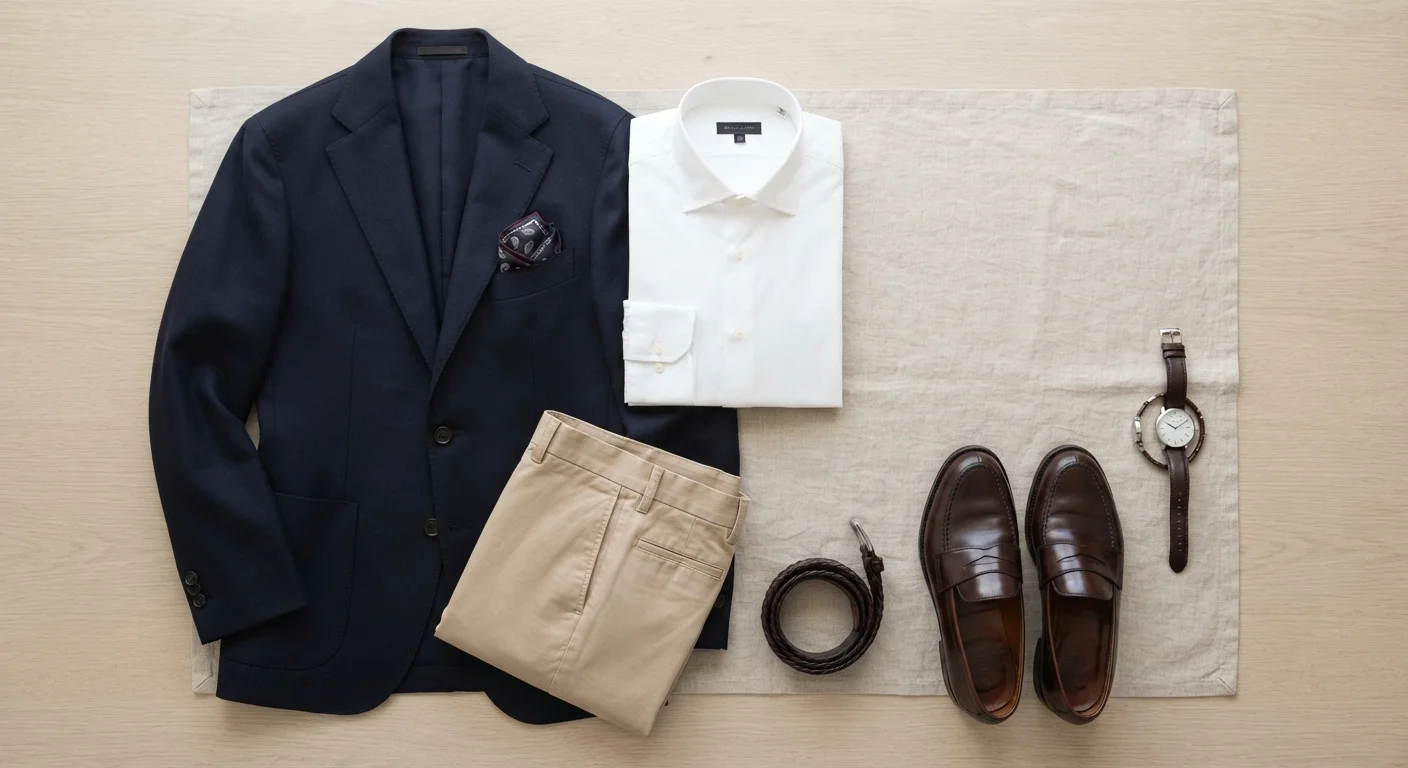
Photo credit: InGlimpse.com | Where Curiosity Finds Answers
In this article
Business casual, smart casual, cocktail attire — what do they actually mean? A plain-language breakdown of the dress codes Americans encounter most often.
Why Dress Codes Still Matter — and Why They're Confusing
Invitations, job postings, and event websites regularly ask you to dress in a specific way — but rarely explain what that actually means. Terms like business casual and smart casual are used interchangeably in some circles and treated as entirely distinct in others. That inconsistency isn't your fault; the fashion industry has never settled on universal definitions.
What these codes do share is a common purpose: signaling the level of formality expected and helping guests feel appropriately dressed. When you understand the underlying logic of each tier, reading any dress code becomes much more straightforward.
| Dress code tiers (most to least formal) | White Tie → Black Tie → Cocktail → Business Formal → Business Casual → Smart Casual → Casual |
| Jeans allowed in Smart Casual? | Yes — if dark, well-fitted, and unembellished |
| Jeans in Business Casual? | Generally no; some workplaces permit dark, structured denim |
| Key footwear rule | Shoe formality sets the overall tone of an outfit |
| Cocktail dress length | Knee to midi (below knee) |
| When in doubt | Dress one tier more formal than your minimum estimate |
For a broader foundation — including the core pieces that travel across multiple dress codes — see wardrobe essentials for everyday American life.
The Core Dress Codes, Plainly Defined
The following tiers move from most formal to least. Each definition reflects widely shared American conventions, though individual workplaces and hosts may interpret them differently — when in doubt, it's always reasonable to ask.
Business Formal
The most structured workplace dress code, requiring a matched suit, dress shirt, conservative tie, and leather shoes for men, or a tailored suit or formal dress for women. Fit and fabric quality are paramount.
Business Casual
A professional but less rigid code that permits dress trousers or chinos, collared shirts or structured blouses, and leather or suede footwear — while generally excluding jeans, athletic shoes, and overly casual tops.
Smart Casual
A step below business casual that allows well-fitted jeans, quality knitwear, and clean casual footwear — provided every piece is intentional in fit and condition. It blends relaxed clothing with elevated standards.
Cocktail Attire
An evening dress code calling for cocktail-length dresses, dressy separates, or a dark suit. Refined fabrics such as silk, satin, and velvet are appropriate; denim and heavy linen typically are not.
Black Tie
The most formal common American dress code, requiring a tuxedo for men and a floor-length gown or formal cocktail dress for women. It is reserved for high-formality evening events.
Black Tie Optional
A variation of black tie that permits a dark business suit as an alternative to a tuxedo, while still expecting a high level of formality and polish from all guests.
Business Formal
Think corporate boardroom or formal interview. Men: a matched suit in navy, charcoal, or black with a dress shirt, conservative tie, and leather dress shoes. Women: a tailored suit, formal dress, or skirt-and-blouse combination in neutral tones. Fit and fabric quality carry significant weight here.
Business Casual
The most misunderstood code. It relaxes the requirement for a full suit but still demands polished, professional clothing. Chinos or dress trousers, a collared shirt or structured blouse, and leather or suede shoes are the workhorses of this tier. Jeans are generally not business casual unless they are dark, unembellished, and paired with more formal pieces.
Smart Casual
Sits between business casual and true casual. It permits jeans — specifically dark, slim, or tailored cuts — combined with elevated tops like button-downs, quality knitwear, or a blazer. Clean sneakers can work here, but athletic or heavily worn footwear typically does not. Think of it as casual clothing held to a higher standard of fit and intentionality. If your outfits often feel inconsistent, this breakdown of why outfits don't feel cohesive is worth reading before building a smart casual wardrobe.
Cocktail Attire
An evening-specific code for weddings, galas, and upscale parties. Cocktail-length dresses (knee to midi), dressy separates, or a dark suit are appropriate. This tier calls for refined fabrics — silk, satin, velvet, crepe — and dress shoes or heels. Casual fabrics like denim or linen are generally out of place.
Black Tie and Black Tie Optional
Black tie is the most formal American dress code short of white tie. Men wear a tuxedo; women wear floor-length gowns or formal cocktail dresses. Black tie optional permits a dark business suit for men, giving guests flexibility while still expecting a high level of polish.
Workplace Dress Codes Vary Widely
Even within a single tier like 'business casual,' expectations shift significantly by industry, company culture, and region. A technology firm in one city may permit clean sneakers and dark jeans; a financial services office in another may expect dress trousers and leather shoes under the same label. When starting a new role or attending an unfamiliar event, observe what others wear or ask directly — there is no universal rulebook.
Practical Tips for Navigating Any Code
A few principles apply regardless of which tier you're dressing for:
- Fit matters most. A well-fitted mid-range garment reads more polished than an expensive one that doesn't sit properly on your body. See what body-shape dressing advice actually means for practical guidance on fit.
- Fabric signals formality. Wool, silk, structured cotton, and velvet read formal. Jersey, linen, and distressed denim read casual. Learning to read fabric labels helps you shop more intentionally for each tier.
- Color coordination reinforces the look. A coherent palette makes even a relaxed outfit feel intentional. Color coordination basics can help you build combinations that work across dress codes.
- Accessories and footwear close the gap. A clean leather shoe elevates chinos into business casual territory. Worn sneakers pull a blazer-and-trousers combo down toward casual. When codes overlap, footwear is often the deciding factor.
- When uncertain, err toward the more formal option. Being slightly overdressed rarely causes problems; being noticeably underdressed can signal disregard for the host or occasion.
This article is for general informational and educational purposes only. Dress code conventions vary by region, industry, and individual host — always use your own judgment and, when needed, ask the organizer directly.

Author
Style Editorial Team
Style Editorial Team is the collective byline for our editorial team and contributor network. Articles published under this byline or an editorial pen name are researched, written, and reviewed according to our editorial standards for clarity, consistency, and independence before publication.
View all articles →