
Dressing for Your Body Shape: What the Advice Actually Means
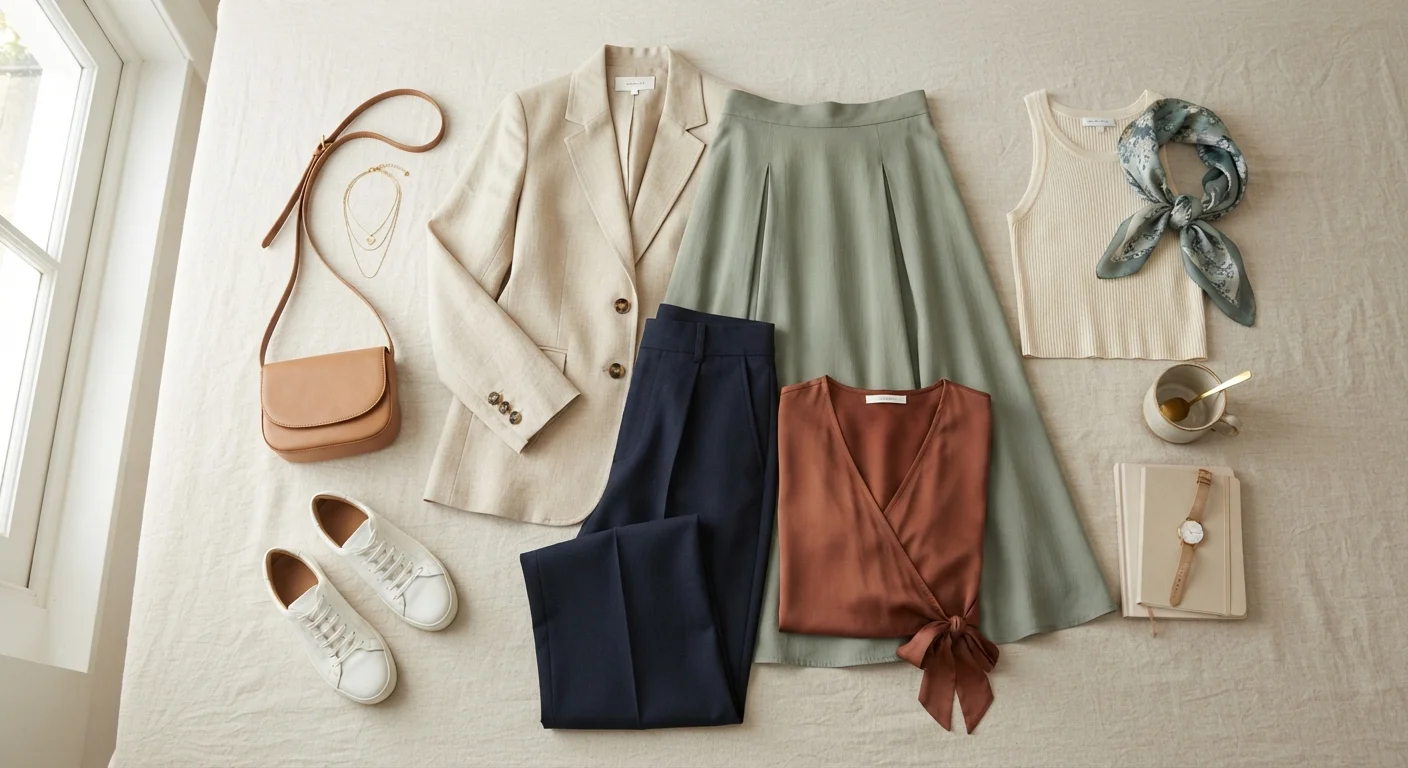
Photo credit: InGlimpse.com | Where Curiosity Finds Answers
In this article
Body-shape dressing rules are everywhere, but they're often misunderstood. Here's an honest look at what the guidance means and how to apply it practically.
Key Takeaways
- Body-shape frameworks are tools for proportion and balance, not rules about what you're allowed to wear.
- The five commonly referenced shapes — hourglass, pear, apple, rectangle, and inverted triangle — describe relative proportions, not size.
- Fit matters more than shape category; well-fitting clothes flatter every body type.
- Visual tricks like color blocking, structure, and fabric weight do the real work in shaping an outfit.
- Personal style and comfort should always take priority over any external formula.
Where the Advice Comes From — and What It's Actually Saying
Body-shape dressing advice has been circulating in fashion magazines and styling guides for decades. At its core, the framework uses geometric shorthand — hourglass, pear, apple, rectangle, inverted triangle — to describe how a person's proportions are distributed across the shoulders, waist, and hips. The shapes don't refer to size or weight; they map relative measurements.
The underlying logic is about visual balance. Styling guidance for a pear shape, for example, often suggests drawing attention upward with structured or detailed tops. For an inverted triangle, the reverse applies — fuller skirts or wide-leg trousers can visually balance broader shoulders. These aren't arbitrary rules; they reflect real principles about how the eye reads proportion and contrast in clothing.
Where the advice gets murky is in translation. Magazine shorthand like "avoid horizontal stripes" or "always wear a belt" strips away context and turns flexible guidelines into rigid prescriptions. Understanding the why behind the recommendation gives you far more usable information than the rule itself.
“Proportion is everything in dressing. It's not about hiding anything — it's about creating a visual harmony that makes the whole look feel intentional.”
— Tim Gunn, Fashion educator and author on style fundamentals
The Five Shapes — A Practical Breakdown
Here's how each common shape category translates to proportion challenges and styling approaches:
- Hourglass: Shoulders and hips are roughly equal, with a noticeably narrower waist. Most silhouettes work well; the main consideration is avoiding boxy cuts that hide the waist definition.
- Pear (triangle): Hips are wider than shoulders. Classic guidance suggests balancing the frame by adding volume or visual interest at the shoulders and chest, and keeping the lower half relatively streamlined — though wide-leg trousers can also work beautifully.
- Apple (round): Weight sits more in the midsection, with narrower hips and shoulders. Empire-waist styles and garments with flowing fabric through the middle tend to feel comfortable and proportionate.
- Rectangle: Shoulders, waist, and hips are close in measurement with minimal waist definition. Creating the appearance of curves often involves garments that nip the waist or add volume at the hips and chest.
- Inverted triangle: Shoulders are notably broader than hips. Styling typically emphasizes the lower half — fuller skirts, patterned trousers — to visually balance a wider upper body.
Most people don't fit neatly into one category, and that's fine. These are starting points for thinking about proportion, not boxes to squeeze yourself into.
Start With Fit Before Shape
Before applying any shape-based rule, check that the garment fits correctly across the shoulders, chest, and waist. A poorly fitted piece won't respond to proportion tricks the way a well-fitted one will. Alterations are often more effective than switching silhouettes entirely.
What Actually Does the Work: Fit, Fabric, and Visual Detail
Once you understand the basic shape categories, it becomes clear that three practical elements do the heavy lifting: fit, fabric, and visual detail.
Fit is the most significant factor by a wide margin. As explored in our guide to clothing fit, a well-fitted garment at any price point consistently outperforms an ill-fitting one regardless of which "shape rules" it follows. Clothes that pull, gap, or bunch at key points undercut the entire outfit.
Fabric weight and structure affect how clothing drapes and where it holds its shape. A stiff denim holds a silhouette; a fluid jersey follows the body. Neither is inherently better — they just produce different results depending on what you're trying to achieve.
Visual details — color blocking, pattern placement, necklines, and hemlines — redirect the eye. A V-neckline draws attention toward the center of the chest and creates vertical length. A bold print at the hip draws the eye there. Understanding this principle lets you apply it intentionally, rather than following rules you don't understand.
~60%
Women who report difficulty finding well-fitting clothes off the rack
Industry surveys consistently show a majority of women find standard sizing doesn't match their proportions, underscoring why fit adjustments — not just garment selection — matter.
5
Body shape categories used in mainstream fashion advice
The hourglass, pear, apple, rectangle, and inverted triangle categories have been the dominant framework in Western fashion styling for several decades.
Using the Framework Without Letting It Limit You
The most useful way to approach body-shape dressing is as a diagnostic tool rather than a dress code. If you're standing in a dressing room wondering why something isn't working, running through proportion and balance questions can point you toward an answer. If you already know what you like and it works for you, the framework is largely irrelevant.
When you do use it, pair it with other practical considerations. Our guide on why outfits don't feel cohesive covers the broader reasons an outfit can fall flat — proportion is one factor, but color, texture, and occasion-fit matter equally. Similarly, understanding how neutrals and statement pieces work together can inform how you build outfits that feel intentional regardless of silhouette.
Shape-based advice is also worth revisiting alongside dress code guidance, since the expectations of a professional setting may narrow your silhouette choices in ways that interact with proportion decisions.
Ultimately, confidence and fit are the two variables that matter most. No formula produces a better result than wearing something that fits well and feels right.
Frequently Asked Questions

Author
Style Editorial Team
Style Editorial Team is the collective byline for our editorial team and contributor network. Articles published under this byline or an editorial pen name are researched, written, and reviewed according to our editorial standards for clarity, consistency, and independence before publication.
View all articles →