
Why Your Outfits Don't Feel Cohesive — and What's Actually Going Wrong
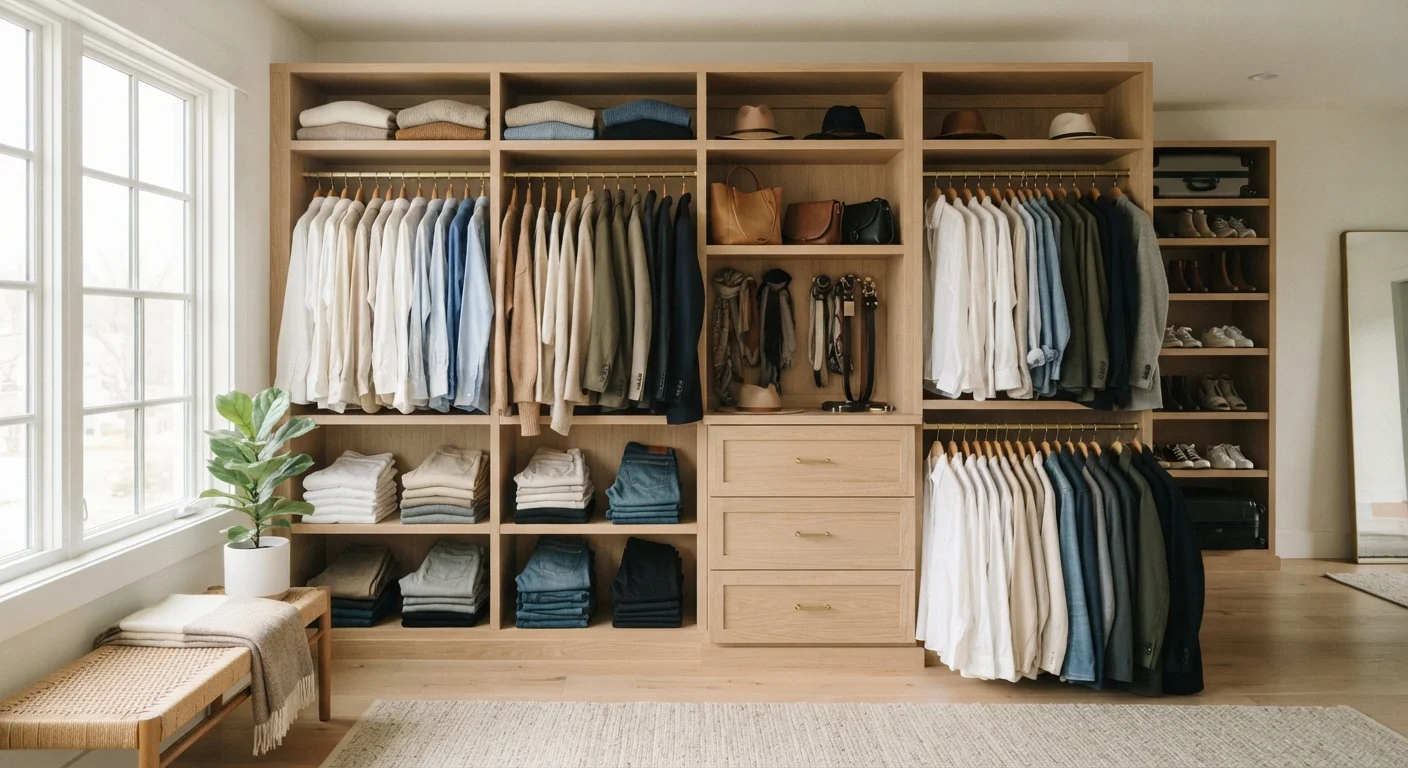
Photo credit: InGlimpse.com | Where Curiosity Finds Answers
In this article
If your closet is full but nothing seems to go together, these are the underlying reasons — and the practical fixes that make a real difference.
Key Takeaways
- Buying pieces you love individually doesn't guarantee they'll work together as a wardrobe.
- A lack of a consistent color story is the most common reason outfits feel disjointed.
- Poor fit undermines even well-chosen clothing combinations every single time.
- Mixing too many competing proportions or textures creates visual noise instead of cohesion.
- Intentional wardrobe-building — not volume — is what makes getting dressed feel effortless.
The Real Reason Getting Dressed Feels Frustrating
If you open your closet and feel overwhelmed rather than inspired, you're not alone — and the problem almost certainly isn't a lack of clothes. It's a lack of intentional connection between them. Most wardrobe frustration stems from a handful of specific, identifiable mistakes that compound over time. The good news is that diagnosing the root cause makes the fix considerably more straightforward.
The mistakes below are the most common culprits behind outfits that don't quite come together — and each one has a practical correction.
Shopping for individual pieces rather than for a wardrobe system.
Why it happens: Most shopping happens in-store or online where items are displayed in isolation, making it easy to fall for a piece without mentally connecting it to what you already own.
Having no consistent color palette across your wardrobe.
Why it happens: People tend to buy colors that appeal to them in the moment, resulting in a collection of pieces that share no common thread — 12 different "accent" colors with nothing to anchor them.
Ignoring fit and assuming style will compensate.
Why it happens: It's tempting to focus on color, print, or silhouette trends while underestimating how dramatically poor fit undermines any combination — even expensive or well-chosen ones.
Clashing proportions — pairing oversized with oversized, or too many fitted pieces without contrast.
Why it happens: Proportion is less intuitive than color, so many people default to replicating what feels comfortable without realizing the cumulative effect looks shapeless or rigid.
Owning no true wardrobe foundations — pieces that bridge everything else.
Why it happens: Foundational pieces tend to be understated and easy to overlook in favor of more expressive items, so they often get deprioritized when shopping.
Building a Wardrobe That Actually Works Together
Cohesion isn't about owning fewer things or following strict style rules — it's about making deliberate choices that allow your pieces to function as a connected system rather than a collection of individuals.
More Clothes Doesn't Mean More Options
A packed closet with no cohesive strategy often produces fewer workable outfits than a smaller, intentional wardrobe. Before buying anything new, it's worth diagnosing why your current pieces aren't connecting. Adding more volume to a broken system tends to compound the problem rather than solve it.
Start by identifying what you actually reach for. If certain items never get worn, that's useful information: they're likely missing the connections that would make them viable. A seasonal review of your wardrobe — similar to what's outlined in our guide to seasonal wardrobe transitions — can make these gaps visible before they lead to more mismatched purchases.
Trend Chasing Fragments Your Wardrobe
Buying items primarily because they're trending — rather than because they work with what you already own — is one of the fastest ways to end up with a closet full of disconnected pieces. Trends move quickly; a wardrobe built around them rarely holds together across seasons. Prioritize pieces that align with your existing palette and lifestyle before considering what's current.
When every new addition is chosen with your existing wardrobe in mind, getting dressed stops being a daily problem to solve and starts being a straightforward decision. That shift doesn't require a complete overhaul — it requires a more honest look at what's working, what isn't, and why.
~80%
Of wardrobe left unworn regularly
Research on consumer clothing habits consistently finds that most people wear roughly 20% of their wardrobe 80% of the time, suggesting significant disconnects between what's owned and what's actually wearable.
1 in 3
Clothing purchases regretted within a month
Consumer behavior surveys have found that a significant share of clothing purchases are regretted relatively quickly, often because items don't integrate with what the buyer already owns.

Author
Style Editorial Team
Style Editorial Team is the collective byline for our editorial team and contributor network. Articles published under this byline or an editorial pen name are researched, written, and reviewed according to our editorial standards for clarity, consistency, and independence before publication.
View all articles →