
Car Battery Life: What Drains It, What Extends It, and When to Replace It
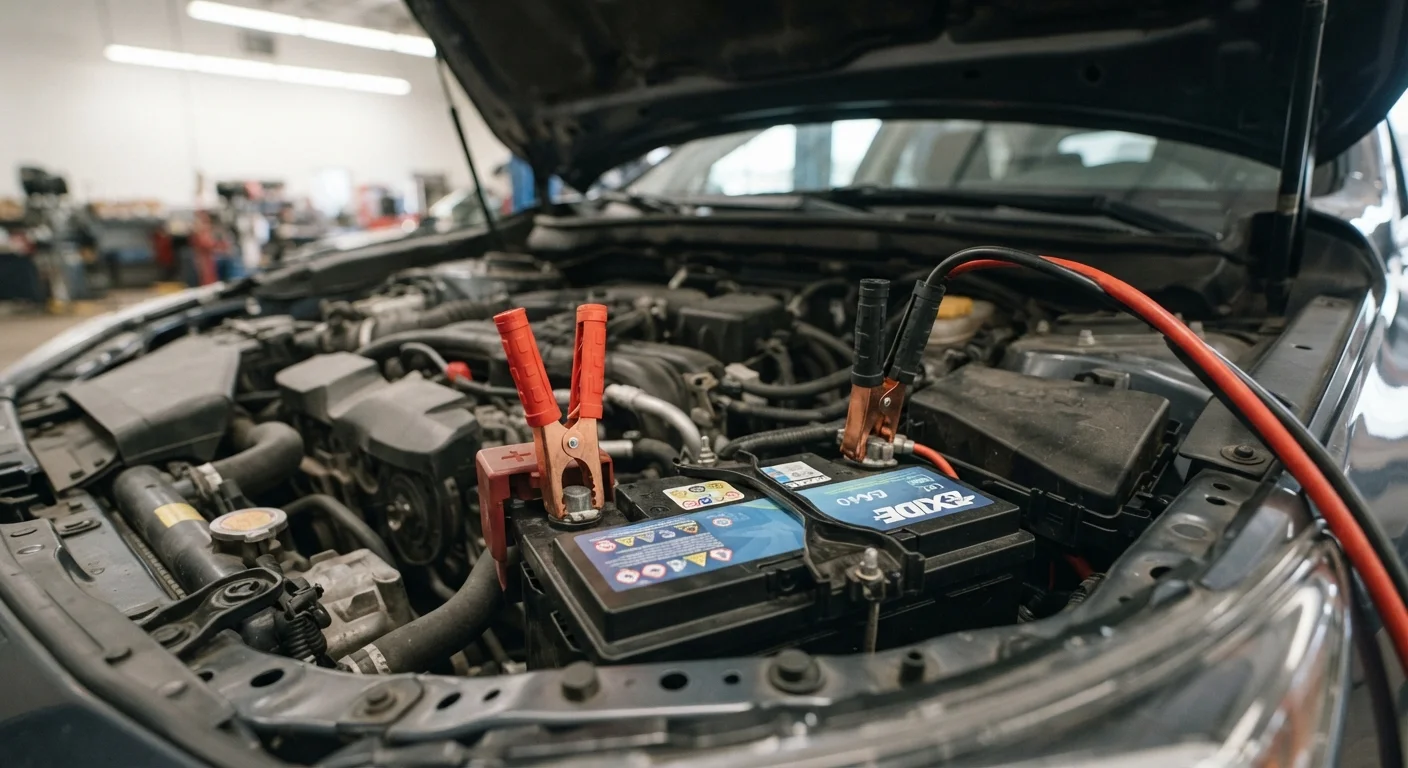
Photo credit: InGlimpse.com | Where Curiosity Finds Answers
In this article
Understand the factors that shorten battery life, the habits that preserve it, and the signs that a replacement is overdue.
Key Takeaways
- Most car batteries last 3-5 years; extreme heat shortens that lifespan more than cold does.
- Short trips, parasitic drains, and corroded terminals are the most common causes of premature battery failure.
- A slow-charging drive, regular terminal cleaning, and timely testing can extend battery life significantly.
- Dim headlights, slow cranking, and a swollen case are reliable warning signs that replacement is overdue.
- Have your battery tested at a shop when it reaches 3 years old - don't wait for a no-start situation.
What Actually Shortens Battery Life
A standard lead-acid car battery is designed to last roughly 3-5 years under normal US driving conditions - but several common habits push that number down fast. Understanding what drains a battery helps you avoid the most preventable failures.
Short trips are one of the biggest culprits. Every time you start your engine, the battery expends a significant charge. Your alternator recharges it while you drive, but short urban trips - under 20 minutes - often don't give it enough time to fully recover. Over weeks and months, this partial cycling degrades battery capacity.
Parasitic drain is another silent killer. This refers to electrical components drawing power when the car is off - a dome light left on, a phone charger plugged into a powered USB port, a faulty relay, or an aftermarket accessory wired incorrectly. Even small draws add up overnight.
Extreme temperatures also take a toll. Heat accelerates the internal chemical breakdown of battery plates; cold reduces the battery's ability to deliver cranking power. The US Sun Belt sees batteries fail faster on average than cooler northern regions, largely because of sustained summer heat under the hood.
Corroded or loose terminals reduce the efficiency of charge transfer, meaning the battery works harder than it should. Terminal corrosion - the white or bluish crust around the posts - is common and easy to miss during routine checks.
Practices That Help a Battery Last Longer
Preserving battery health doesn't require special equipment - mostly it comes down to consistent habits. These practices are part of the broader approach to keeping a car running well over time.
Take longer drives periodically to give your alternator time to fully recharge the battery.
Short trips don't allow the alternator enough run time to restore the charge the battery expended during startup. Chronic undercharging leads to sulfation - a buildup on battery plates that permanently reduces capacity.
Clean battery terminals whenever you see corrosion buildup.
Corrosion on the positive and negative terminals creates resistance that impairs charging efficiency and can prevent the engine from starting. It's a simple fix that most drivers overlook for too long.
Turn off all accessories before shutting down the engine.
Lights, climate control fans, and audio systems that are active when you turn the key off can draw power briefly or be inadvertently left on, contributing to parasitic drain over time.
Use a trickle charger or battery maintainer if the vehicle sits unused for extended periods.
Batteries self-discharge at roughly 1-3% per day when the vehicle is off. A car parked for weeks - a seasonal vehicle, a spare car - can fully discharge, which causes lasting plate damage.
Have the battery professionally tested once it reaches 3 years old.
Battery capacity degrades gradually and isn't always obvious until failure. A load test at a shop identifies a weakened battery before it strands you, and gives you time to plan a replacement rather than make an emergency purchase.
Battery maintenance also ties into your broader maintenance routine. See your car's maintenance schedule explained to understand how battery checks fit alongside other service intervals.
Warning Signs and When to Replace
Batteries rarely fail without warning. Knowing the signals gives you time to act before you're stranded.
3-5 years
Typical car battery lifespan
According to AAA, most conventional lead-acid car batteries last between three and five years, with climate and driving habits affecting where a battery lands in that range.
~1 in 4
Batteries tested that are weak or failing
AAA's vehicle research has found that roughly one in four batteries tested during roadside service calls is operating below acceptable capacity, often without the driver's awareness.
Slow engine cranking - that labored, sluggish sound when you turn the key - is usually the first clear sign. If you notice it more than once, get the battery tested promptly. Dim headlights at idle or interior lights that brighten when you rev the engine suggest the battery isn't holding adequate charge. A swollen or bloated battery case is a safety concern; it typically means the battery has been exposed to excessive heat and should be replaced immediately.
Most auto shops and retailers that sell batteries will test yours for free. A load test measures how the battery performs under the stress of starting - a much more accurate gauge than a simple voltage reading. If your battery is past the 3-year mark, ask for a test at your next service visit. Don't wait for a no-start to find out it's failing. As noted in why skipping routine maintenance costs more, small proactive steps reliably prevent larger, costlier problems.

Author
Autos Editorial Team
Autos Editorial Team is the collective byline for our editorial team and contributor network. Articles published under this byline or an editorial pen name are researched, written, and reviewed according to our editorial standards for clarity, consistency, and independence before publication.
View all articles →