
Keeping a Car Running Well: Habits That Hold Up Over Time
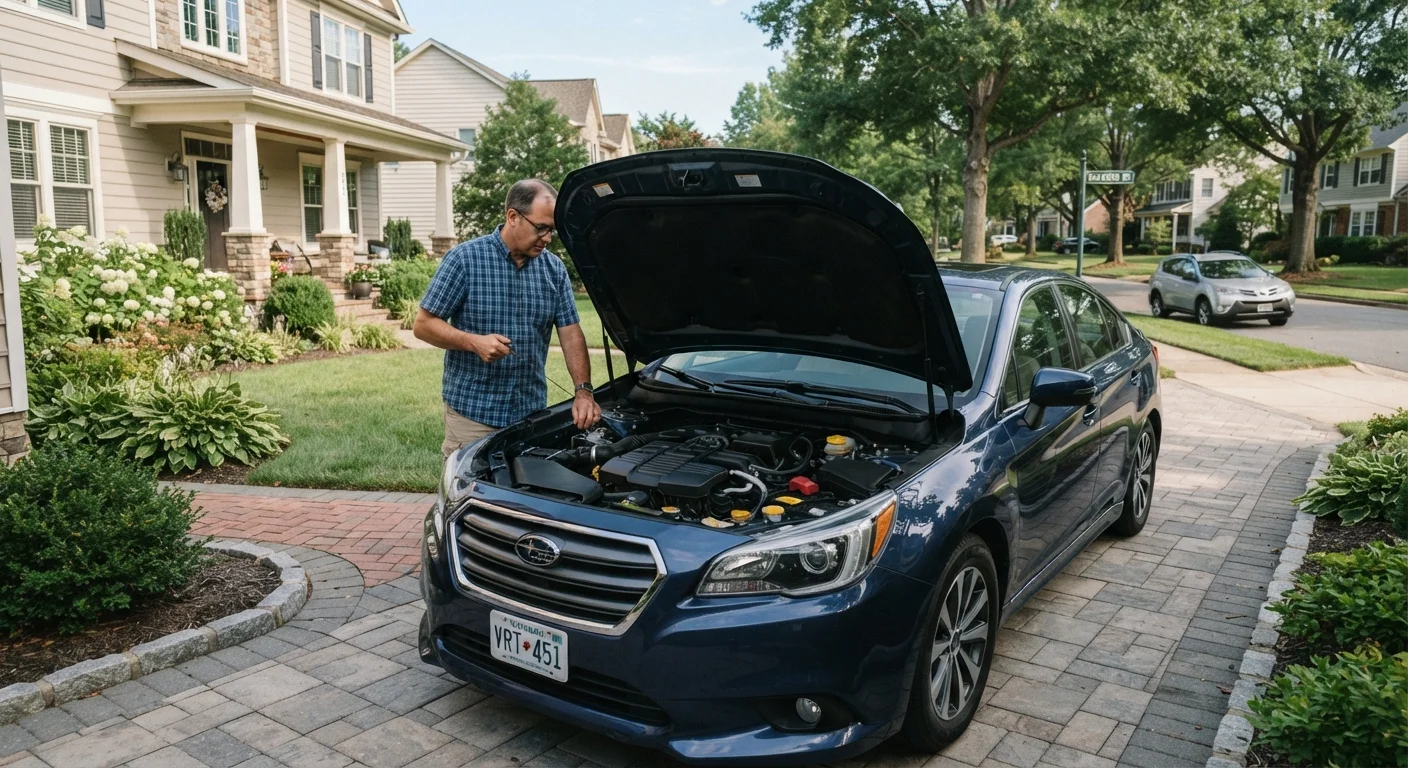
Photo credit: InGlimpse.com | Where Curiosity Finds Answers
In this article
Good car ownership isn't just about repairs — it's about consistent habits. Here are the practices that help vehicles stay reliable longer.
Key Takeaways
- Following your owner's manual service schedule is the single most impactful reliability habit.
- Checking fluids, tire pressure, and lights monthly takes under ten minutes and prevents costly failures.
- Catching small problems early almost always costs less than fixing the consequences later.
- How you drive day-to-day affects wear rates on brakes, tires, and the drivetrain significantly.
- Keeping service records helps you track maintenance history and supports resale value.
Why Habits Beat One-Time Fixes
Most vehicle breakdowns don't come out of nowhere. They develop gradually — a slow fluid leak, a worn belt, tires that have been underinflated for months. The difference between a car that makes it to 150,000 miles without major drama and one that starts causing expensive trouble at 80,000 is usually consistent, routine care rather than any single repair.
This isn't about spending more money. It's about spending it at the right time, on the right things. As the preventive maintenance guide explains, scheduled upkeep addresses problems while they're still small — before they cascade into something that takes the car off the road entirely.
Follow the manufacturer's service schedule, not generic rules of thumb.
Your owner's manual specifies service intervals based on how your engine, transmission, and other systems were actually designed. Generic advice — like universal 3,000-mile oil changes — often doesn't match what your specific vehicle needs, leading to either wasted money or missed service.
Check tire pressure monthly and before long trips.
Tires lose roughly one PSI of pressure per month under normal conditions, and more in cold weather. Underinflated tires wear unevenly, reduce fuel efficiency, and can contribute to blowouts — all of which are preventable with a two-minute check.
Inspect and top off fluids on a regular basis.
Engine oil, coolant, brake fluid, and power steering fluid all degrade or get consumed over time. Low or degraded fluid can cause overheating, brake fade, or accelerated component wear — problems that are far more expensive to repair than a fluid top-off or flush.
Address warning lights promptly rather than waiting to see if they clear.
Dashboard warning lights are the vehicle's way of flagging a system that needs attention. Ignoring them rarely makes the underlying issue go away, and in some cases — like a flashing check engine light — continuing to drive can cause secondary damage.
Rotate tires at the intervals your manual recommends.
Front and rear tires wear at different rates depending on drive configuration and how the vehicle is used. Regular rotation evens out wear across all four tires, extending their usable life and maintaining balanced handling.
Quick Checks You Can Do Yourself
You don't need a mechanic's license to stay on top of your vehicle's basic health. A handful of checks done regularly give you an accurate picture of where things stand and flag issues before they worsen. For a clear breakdown of which tasks are suitable for DIY and which genuinely need a professional, see the DIY vs. shop guide.
The Bigger Picture: Driving Habits and Record Keeping
Maintenance is only part of the equation. How a vehicle is driven directly affects how long its components last. Frequent hard braking, aggressive acceleration, and overloading the vehicle all accelerate wear on brakes, tires, and the drivetrain. Smooth, anticipatory driving — braking gradually, accelerating steadily — extends the life of these parts in measurable ways.
Keeping a simple maintenance log is equally underrated. A notebook in the glove compartment or a notes app on your phone is enough. Record the date, mileage, and what was done at each service. This lets you spot patterns, avoid duplicate services, and demonstrate to a future buyer that the car was properly cared for.
~1 PSI
Monthly tire pressure loss under normal conditions
The U.S. Department of Energy notes that tires naturally lose about 1 PSI per month, more in colder temperatures — making monthly checks a practical habit.
Up to 0.3%
Fuel economy lost per 1 PSI drop in tire pressure
According to the U.S. Department of Energy, fuel economy can decrease by roughly 0.2–0.3% for every 1 PSI drop in average tire pressure across all four tires.
Before assuming a maintenance practice is necessary, it's worth checking the facts. Some common advice — like changing oil every 3,000 miles regardless of the manufacturer's guidance — has been overtaken by improvements in engine technology and oil chemistry. The car maintenance myths article is a useful reference for separating evidence-based guidance from outdated rules of thumb. For a full overview of maintenance fundamentals, the Car Maintenance hub is a good starting point.
When in Doubt, Ask a Qualified Mechanic
Some maintenance tasks — brake inspections, suspension checks, timing belt replacements — are genuinely difficult to assess without lifting the vehicle or using diagnostic equipment. If you're unsure whether something needs attention, a professional inspection is the safer call. Many shops offer complimentary or low-cost multi-point inspections that can give you a clear picture of where things stand.

Author
Autos Editorial Team
Autos Editorial Team is the collective byline for our editorial team and contributor network. Articles published under this byline or an editorial pen name are researched, written, and reviewed according to our editorial standards for clarity, consistency, and independence before publication.
View all articles →