
Why Your Car Needs Regular Maintenance Even When Nothing Feels Wrong
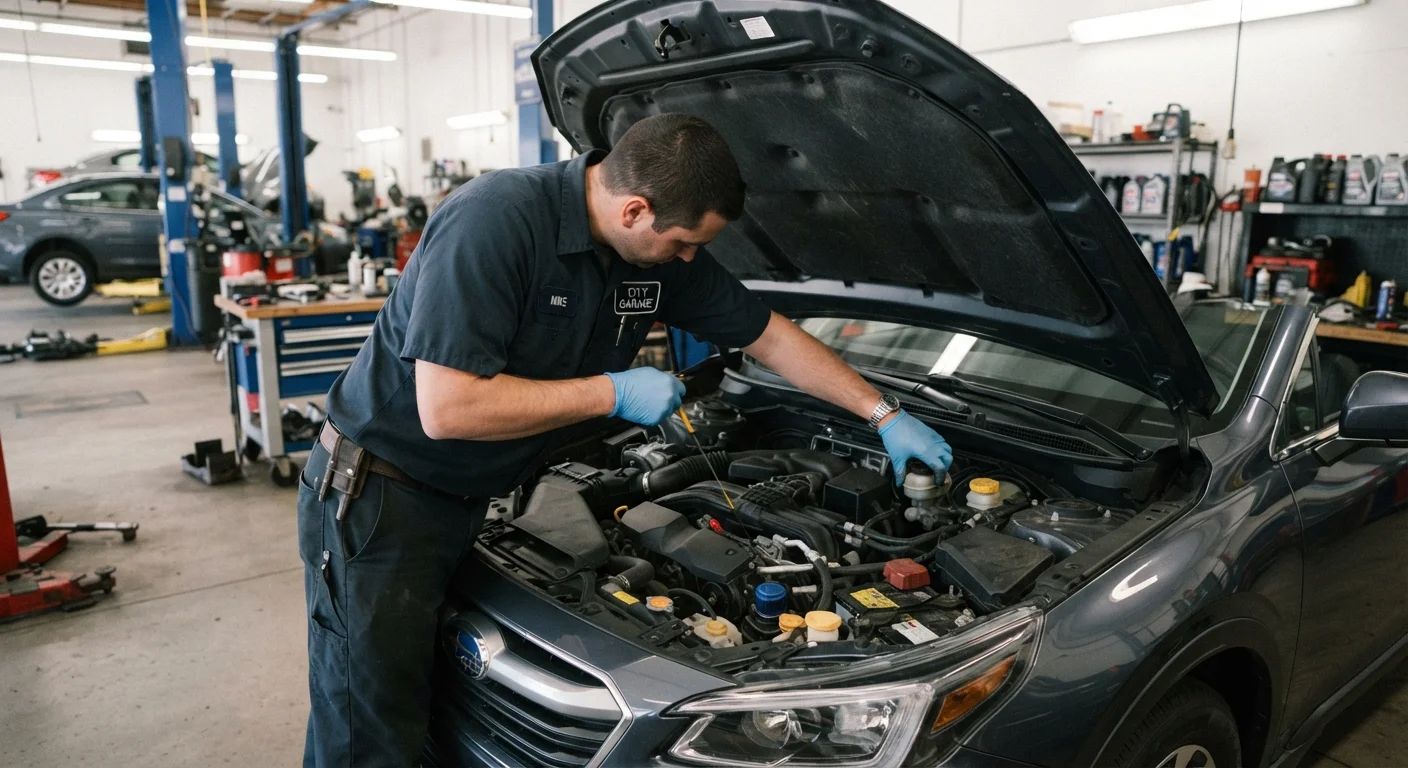
Photo credit: InGlimpse.com | Where Curiosity Finds Answers
In this article
Skipping scheduled maintenance can lead to bigger, costlier problems down the road. Here's what preventive upkeep actually does for your vehicle.
Key Takeaways
- Most vehicle problems develop gradually and silently before any warning sign appears.
- Scheduled maintenance intervals in your owner's manual are engineering recommendations, not suggestions.
- Skipping routine service can void manufacturer warranties and accelerate component wear.
- Preventive maintenance is consistently less expensive than reactive repair.
- Your driving conditions — not just mileage — affect how quickly components degrade.
The Problem with Waiting Until Something Goes Wrong
Cars are engineered to mask problems. Worn brake pads, deteriorating belts, and low coolant don't announce themselves immediately — they quietly degrade until the system can no longer compensate. By the time you hear a noise or see a warning light, the damage is often already done.
This is why the "if it ain't broke, don't fix it" approach fails with vehicles. Most significant mechanical failures have precursors — conditions that a trained mechanic can identify during a routine inspection. Waiting for a symptom means paying for a repair instead of prevention.
Deferred maintenance compounds quietly — a neglected coolant flush contributes to a cracked hose, which causes overheating, which can warp a cylinder head. Each skipped service adds risk to the next.
~$0.09/mile
Average vehicle maintenance cost per mile
According to AAA's annual Your Driving Costs study, routine maintenance and tire costs average around nine cents per mile for a typical sedan.
35%
Of roadside breakdowns are maintenance-related
AAA estimates that a significant portion of the millions of roadside service calls it handles each year involve issues that routine maintenance could have prevented or detected.
What Scheduled Maintenance Actually Does
Each item on a maintenance schedule serves a specific engineering purpose. Oil lubricates and cools internal engine components; as it ages and accumulates combustion byproducts, it loses effectiveness. Air filters prevent debris from entering the engine; a clogged filter reduces airflow and forces the engine to work harder. Tire rotations distribute wear evenly across all four tires, extending their usable life. These aren't arbitrary service calls — they reflect how long materials and fluids hold up under real operating conditions.
Tire rotation, balancing, and alignment are often confused, but each addresses a distinct type of wear or handling issue. Understanding what each service does helps you make informed decisions when a mechanic recommends it.
Use Your Owner's Manual as the Starting Point
The maintenance schedule in your owner's manual is written specifically for your engine, transmission, and drivetrain. It's more reliable than generic advice or service reminders from any third party. If you've lost your manual, most manufacturers offer digital versions on their websites.
Your Driving Conditions Matter More Than You Might Think
Manufacturer maintenance schedules are based on average driving conditions. If your routine involves frequent short trips, stop-and-go city traffic, towing, driving in extreme heat or cold, or operating on dusty roads, your vehicle is experiencing more stress than those averages assume. Many owner's manuals include a "severe service" schedule for exactly this reason — and many drivers qualify for it without knowing.
Short trips under five miles are particularly hard on engines because the oil never fully reaches operating temperature, meaning moisture and fuel residue don't burn off and instead accumulate in the oil. This accelerates degradation faster than the mileage number alone would suggest.
For a broader look at habits that support long-term reliability, see keeping a car running well over time.
Severe Service Schedules Apply to Many Drivers
Most owner's manuals include two maintenance tracks: normal and severe service. Severe service applies to vehicles that frequently tow, idle for long periods, operate in extreme temperatures, or make mostly short trips. If any of those describe your driving, check whether your manual recommends more frequent service intervals.
How to Stay on Top of Maintenance Without the Stress
The most practical approach is to use your owner's manual as the baseline and track your service history. Keep a simple log — either in the glove box or a notes app — of what was done and at what mileage. This record also has real value if you sell the vehicle, as documented maintenance history is a meaningful factor for buyers.
When visiting a mechanic, ask for an explanation of any recommended service you weren't expecting. Knowing what questions to ask helps you distinguish between necessary maintenance and unnecessary upsells.
If you're newer to car ownership, a first-time driver's maintenance guide can help you build a clearer picture of what to expect and when.
This article is for general informational purposes. Always consult your vehicle's owner's manual and a qualified mechanic for guidance specific to your car's make, model, and condition.
Frequently Asked Questions

Author
Autos Editorial Team
Autos Editorial Team is the collective byline for our editorial team and contributor network. Articles published under this byline or an editorial pen name are researched, written, and reviewed according to our editorial standards for clarity, consistency, and independence before publication.
View all articles →