
What to Ask a Mechanic Before You Authorize Any Repair
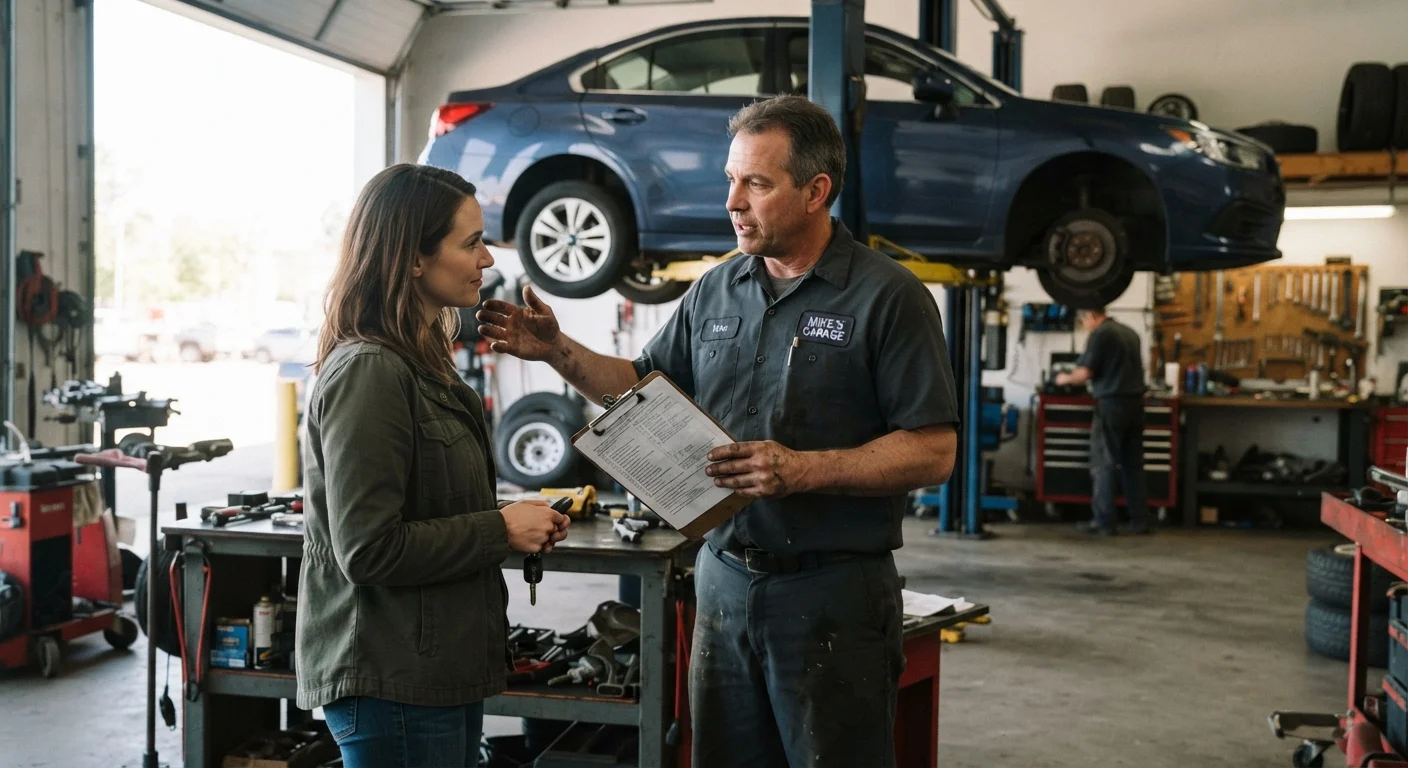
Photo credit: InGlimpse.com | Where Curiosity Finds Answers
In this article
The right questions help you understand what's actually wrong, what the repair involves, and whether the recommendation makes sense for your situation.
Key Takeaways
- Always ask for a written estimate before authorizing any repair work on your vehicle.
- Understanding the root cause of a problem helps you avoid unnecessary or repeat repairs.
- Ask whether the repair is urgent or can be safely deferred - this affects your budget decisions.
- Knowing if aftermarket or OEM parts will be used matters for warranty and long-term reliability.
- Request your old parts back after replacement to confirm the work was actually done.
Why the Questions You Ask Matter as Much as the Repair Itself
Walking into an auto repair shop without a plan puts you at a disadvantage. You're dealing with unfamiliar technical territory, time pressure, and a service you can't easily evaluate until after the work is done. The questions you ask before authorizing anything are your primary tool for protecting yourself.
This isn't about distrust - most mechanics are skilled professionals doing honest work. It's about making sure you understand what's being recommended, why, and whether it makes sense for your vehicle and budget. As the Car Ownership 101 hub covers, being an informed owner pays dividends across every aspect of vehicle management.
Ask the mechanic to explain what is wrong and what caused it.
Understanding the root cause prevents you from approving a repair that only treats a symptom. If a mechanic can't explain the failure in plain language, that's a signal to ask follow-up questions or get a second opinion.
Request a written, itemized estimate before giving the go-ahead.
A line-by-line estimate showing parts costs and labor hours separately makes it far easier to spot inflated charges or unnecessary add-ons. Verbal estimates are difficult to dispute later.
Clarify whether the repair is urgent or can wait.
Not every flagged issue requires immediate attention. Knowing which repairs are safety-critical versus advisable-but-deferrable lets you make smarter financial decisions, especially when multiple issues are found at once.
Ask whether OEM or aftermarket parts will be used - and why.
OEM (original equipment manufacturer) parts are made to factory spec; aftermarket parts vary in quality. Neither choice is automatically better, but you should know which is being used and how it may affect your warranty coverage.
Find out what the repair includes and what the warranty on the work covers.
Reputable shops stand behind their work. Asking about the labor warranty and any parts guarantee tells you what happens if the same problem reappears shortly after the repair.
Request that your old parts be returned to you after replacement.
Receiving your replaced components confirms the work was actually performed. This is especially useful for parts like brake rotors, belts, or filters where wear patterns are visible.
Know Your Rights Before the Work Starts
Consumer protections exist specifically for auto repair situations, and knowing them shifts the dynamic in your favor before a single bolt is turned.
Your Right to a Written Estimate
Most U.S. states require auto repair shops to provide a written estimate before starting work if the total cost exceeds a certain threshold - often $100 or less. Some states also require shops to get your authorization before exceeding an approved estimate by a set percentage. Check your state's consumer protection rules so you know exactly what rights you have before you hand over the keys.
If a shop pushes back on providing a written estimate or pressures you to authorize work immediately without explanation, treat that as a red flag. A trustworthy shop will answer your questions before asking for your signature - not after. For context on what preventive care typically involves, see your car's maintenance schedule explained.
Quick Actions You Can Take Right Now
Being prepared before the appointment is just as important as the questions you ask once you're there. These three actions take minimal time and meaningfully improve your position.
If you're ever unsure whether a repair is worth doing on an older vehicle, the same decision framework that applies to home appliances can help here too - see repair-or-replace framework for a structured way to think it through. And if you're a newer driver still building your maintenance knowledge, car ownership and maintenance for first-time drivers is a solid place to start.

Author
Autos Editorial Team
Autos Editorial Team is the collective byline for our editorial team and contributor network. Articles published under this byline or an editorial pen name are researched, written, and reviewed according to our editorial standards for clarity, consistency, and independence before publication.
View all articles →