
Car Ownership and Maintenance for First-Time Drivers
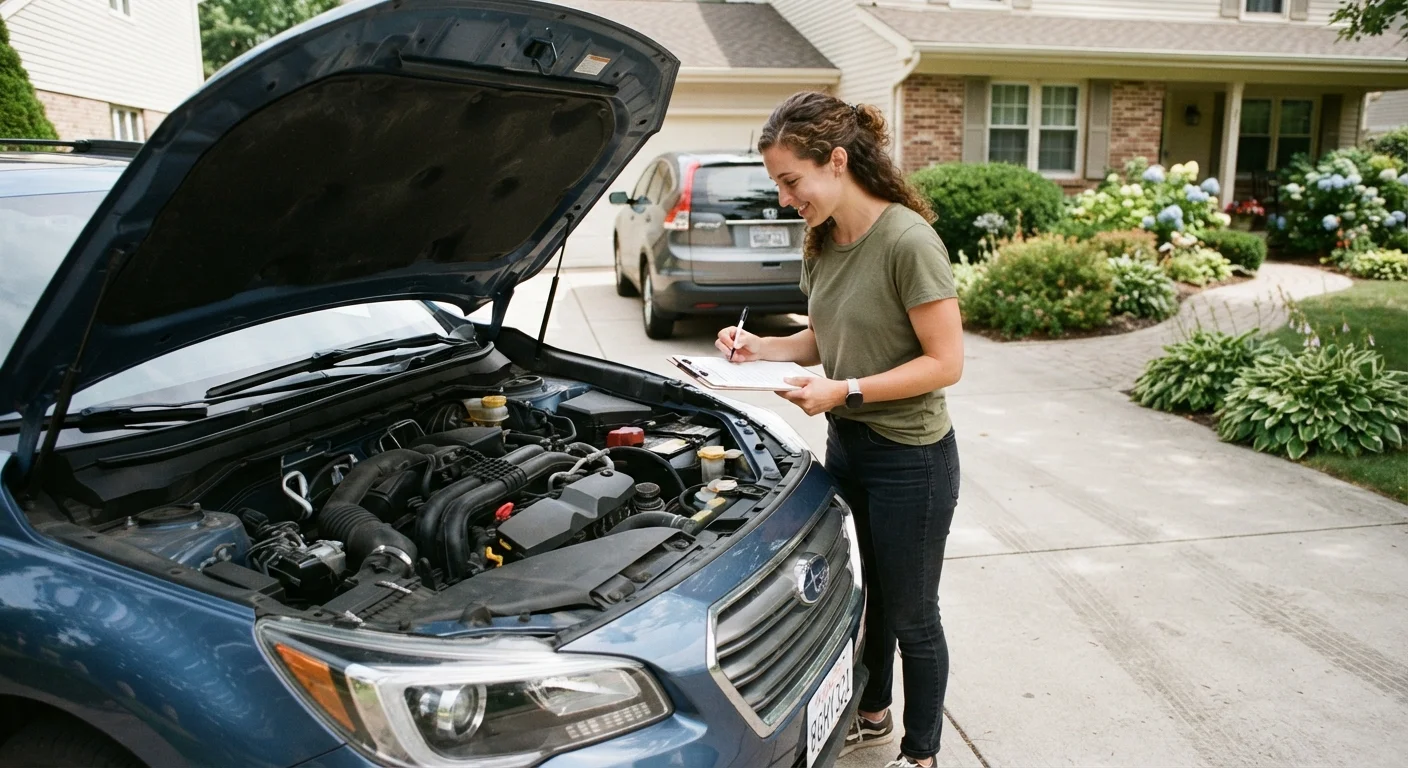
Photo credit: InGlimpse.com | Where Curiosity Finds Answers
In this article
Everything a new car owner needs to understand about keeping a vehicle roadworthy — from reading the manual to knowing when to call a mechanic.
Key Takeaways
- Your owner's manual is the most reliable source of maintenance information for your specific vehicle.
- Routine tasks like checking tire pressure and oil level can prevent costly breakdowns.
- Some maintenance is safe to do yourself; others require a qualified mechanic.
- Car ownership costs go well beyond the monthly payment - budget for fuel, insurance, and upkeep.
- Consistent habits over time matter more than any single repair.
Start With the Owner's Manual
Most first-time drivers skip the owner's manual entirely. That's a mistake. It's the one document written specifically for your vehicle - not a general guide, not a forum post, but instructions calibrated to your engine, your transmission, and your trim level.
The manual tells you which fuel grade your engine requires, what each dashboard warning light means, and - critically - when your vehicle is due for specific maintenance. Ignore it, and you're guessing. Our guide to reading your owner's manual walks through the sections that are genuinely worth your time.
If your vehicle didn't come with a physical manual, most manufacturers make them available as free PDF downloads through their official websites.
Owner's Manual
The booklet provided with your vehicle that contains manufacturer-specific information on operating, maintaining, and troubleshooting your car.
Maintenance Interval
The recommended mileage or time period between specific service tasks, such as oil changes or filter replacements, as set by the vehicle manufacturer.
Dipstick
A long metal rod in your engine bay used to manually check the oil level. You pull it out, wipe it clean, reinsert it, and pull it out again to read the level.
Check Engine Light
A dashboard warning indicator that signals the vehicle's onboard computer has detected a fault in the engine or emissions system. It requires diagnosis with a scan tool.
ASE Certification
A credential issued by the National Institute for Automotive Service Excellence, indicating a technician has passed standardized tests in specific automotive repair areas.
Depreciation
The gradual loss of a vehicle's market value over time due to age, mileage, and wear. It's one of the largest hidden costs of car ownership.
The Core Maintenance Tasks Every Driver Should Know
Maintenance isn't complicated, but it is consistent. A few basic checks performed regularly will head off most common breakdowns.
- Engine oil: Low or degraded oil is one of the fastest ways to damage an engine. Check your oil level monthly using the dipstick, and follow your manual's service interval - not the old "3,000 miles" rule that no longer applies to most modern vehicles. See your car's maintenance schedule explained for a clearer breakdown of why intervals exist.
- Tire pressure: Under-inflated tires wear faster, reduce fuel efficiency, and can affect handling. Check pressure monthly and before long trips. The correct pressure for your vehicle is on the sticker inside the driver's door jamb - not on the sidewall of the tire.
- Coolant and other fluids: Coolant prevents overheating; brake fluid and power steering fluid also need periodic checks. Most are visible through translucent reservoirs under the hood.
- Wiper blades: Replace them once a year or when they streak - usually a cheap, tool-free job.
- Air filter: A clogged air filter reduces engine efficiency. Inspect it annually; replacement is often straightforward.
Set a Monthly Five-Minute Check Routine
Pick the same day each month - the first, for example - to run through a quick under-hood inspection: oil level, coolant, washer fluid, and a visual tire check. It takes almost no time but catches problems before they escalate. Pairing it with a recurring calendar reminder helps make it automatic.
What to Handle Yourself vs. When to See a Mechanic
There's a practical middle ground between doing everything yourself and taking your car in for every small issue. The key is knowing where that line sits.
Generally manageable at home: checking and topping off fluids, replacing wiper blades, swapping cabin air filters, inflating tires, and replacing a dead battery (with appropriate caution).
Leave to a qualified mechanic: brake pad and rotor replacement, suspension work, transmission service, timing belt replacement, anything involving the fuel system, and diagnosing check engine light codes beyond a basic reading.
Our breakdown of DIY car maintenance vs. taking it to a shop covers this distinction in more detail. The short version: if a mistake could compromise safety or cause further mechanical damage, professional service is worth the cost.
Don't Delay on Brake Concerns
Squealing, grinding, a soft pedal, or a vehicle that pulls to one side when braking are all signs that your brake system needs professional attention immediately. Brakes are a safety-critical system - this is not a task to defer or attempt without proper training and tools. If you notice any of these symptoms, have a qualified mechanic inspect your brakes before driving further than necessary.
Understanding the Real Cost of Ownership
The purchase price or monthly payment is only part of what a car actually costs you. First-time owners frequently underestimate ongoing expenses - and that gap can strain a budget quickly.
Expect to factor in fuel, auto insurance, registration and title fees, routine maintenance, unexpected repairs, parking, and depreciation (the value your car loses over time). These costs vary by vehicle type, driving habits, and where you live, but they add up to a significant annual figure for most US drivers.
For a fuller picture of what you're taking on financially, see the real cost of owning a car beyond the monthly payment. Planning for these costs from the start prevents the surprise of an unexpected repair bill derailing your finances.
Insurance Requirements Vary by State
Every US state requires drivers to carry at least a minimum level of auto insurance, but the required coverage types and amounts differ significantly. Make sure you understand your state's minimums, and consider whether additional coverage makes sense for your situation. Consult a licensed insurance agent if you're unsure what policy to carry - general information here is not a substitute for advice tailored to your circumstances.
Building Habits That Keep Your Car Reliable
Reliable vehicles aren't just the result of timely repairs - they reflect consistent habits over months and years. A few practices make a measurable difference.
- Keep a simple maintenance log: note the date, mileage, and what was done each time you service the car.
- Pay attention to changes: new sounds, vibrations, smells, or handling changes are often early warnings worth investigating before they become expensive.
- Don't defer warning lights: a light that seems minor often signals something that worsens with continued driving.
- Stay on top of registration and insurance renewals - things new car owners frequently overlook covers several of the common administrative slip-ups that catch people off guard.
For a deeper look at what the first weeks of ownership actually involve - from paperwork to first service - see what actually happens after you drive off the lot. And for the long view, habits that hold up over time is worth bookmarking once you've covered the basics.
Frequently Asked Questions

Author
Autos Editorial Team
Autos Editorial Team is the collective byline for our editorial team and contributor network. Articles published under this byline or an editorial pen name are researched, written, and reviewed according to our editorial standards for clarity, consistency, and independence before publication.
View all articles →