
Reading Your Owner's Manual: The Sections Every Driver Should Know
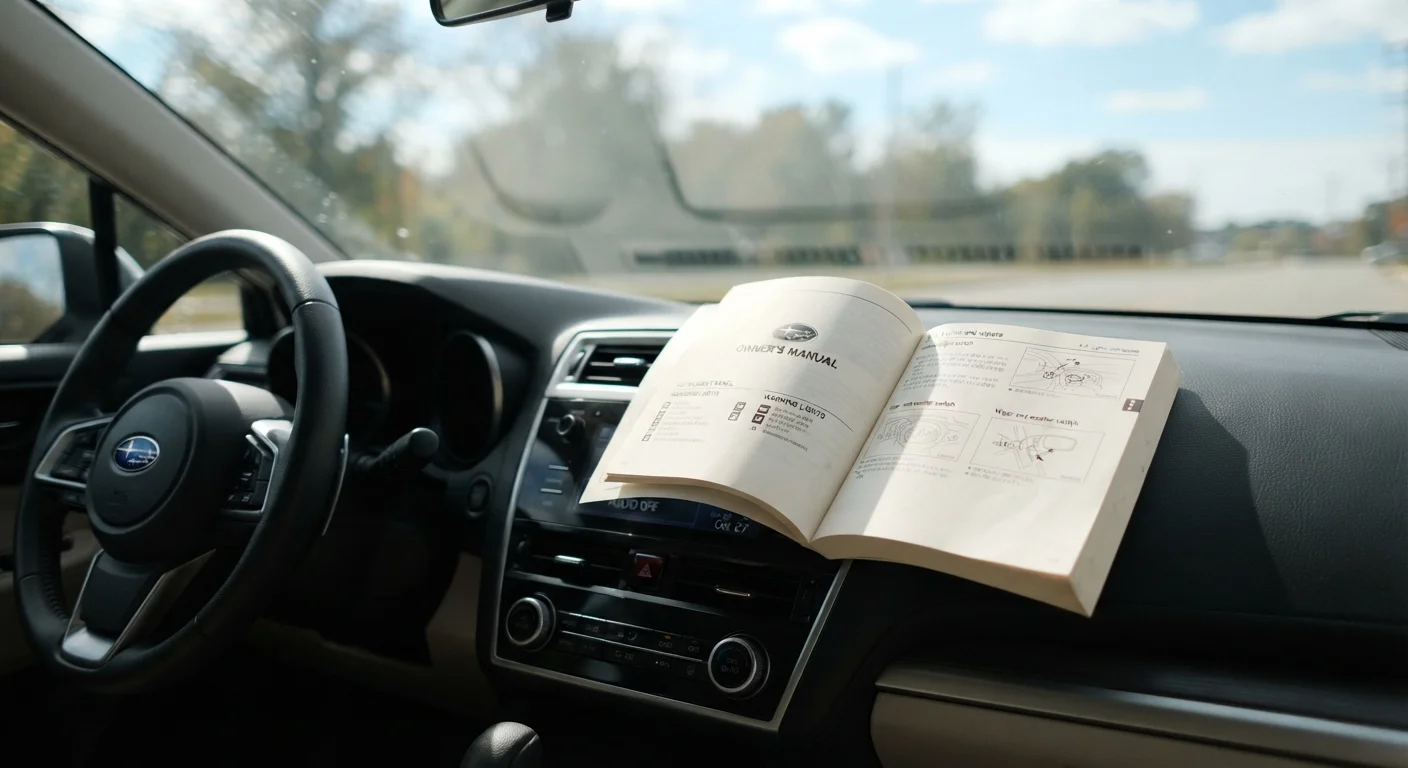
Photo credit: InGlimpse.com | Where Curiosity Finds Answers
In this article
Most drivers never open their owner's manual. Here are the parts that are genuinely useful — from maintenance schedules to warning light meanings.
Key Takeaways
- Your owner's manual contains your vehicle's actual maintenance schedule — not a generic industry standard.
- The warning lights section helps you distinguish a minor alert from something that requires immediate action.
- Fuel type, tire pressure, and fluid specifications in the manual are specific to your exact vehicle.
- Most drivers can handle basic self-checks using guidance found directly in the manual.
- Knowing where key sections are lets you act quickly when something goes wrong on the road.
Why Most Drivers Skip the Manual — and Why That's a Problem
The owner's manual is the single most authoritative document about your specific vehicle, yet most drivers never open it beyond the first few weeks of ownership — if at all. That's understandable: manuals are dense, often hundreds of pages long, and not written for casual reading. But skipping it entirely leaves drivers without the information they actually need when something goes wrong.
Generic automotive advice found online is often averaged across vehicle types and model years. Your manual isn't generic — it reflects the exact engineering choices made for your car's engine, transmission, safety systems, and electronics. When there's a conflict between general advice and what your manual says, your manual wins.
First-time car owners are particularly likely to miss this. If you're new to ownership, things new car owners frequently overlook in the first year covers other common gaps worth addressing early.
Your Manual Overrides Generic Advice
Mileage intervals, fluid types, and tire pressure specs vary by make, model, and even trim level. When generic advice contradicts what your manual says, follow the manual. It reflects the engineering decisions made specifically for your vehicle.
The Sections Worth Your Time
You don't need to read your manual cover to cover. The goal is to know where to look when you need something specific. The steps below walk you through the sections that provide the most practical value for everyday driving and routine maintenance.
What you will need
Start with the Table of Contents
Open to the table of contents and scan the major section headings. Most manuals are organized around systems: instruments and controls, maintenance, emergency procedures, and specifications. You don't need to read the whole thing — you need to know where things live so you can find them fast when it counts.
Read the Warning Lights Section
Find the chapter covering dashboard indicators and warning lights. Go through each symbol and note the color coding — most manuals distinguish between informational (green or blue), caution (yellow or amber), and urgent (red) lights. Understanding the difference before a light appears means you won't be guessing while on the road. For a quick-reference companion, see reading your dashboard warning lights without panic.
Locate the Maintenance Schedule
This is one of the most practically valuable sections in the manual. It lists the recommended service intervals for oil changes, filter replacements, brake inspections, transmission fluid, and more — specific to your vehicle. Many drivers rely on third-party reminders or dealership recommendations that may not match the manufacturer's actual guidance. Your car's maintenance schedule, explained goes deeper on what these intervals mean and how to stay on track.
Check Fuel and Fluid Specifications
Your manual will state the recommended fuel octane rating, engine oil viscosity (such as 5W-30), coolant type, and brake fluid specification. Using the wrong fluid type can cause real mechanical problems over time. Cross-reference the fuel section with fuel types, octane ratings, and what your engine actually needs for a plain-language explanation. For under-hood fluid checks you can do yourself, see fluid checks every driver should know how to do.
Find the Tire Pressure and Load Specifications
Many drivers look at the tire sidewall for pressure figures, but that number is the tire's maximum — not your vehicle's recommended operating pressure. The correct cold-inflation pressure for your car is in the owner's manual and usually on a sticker inside the driver's door jamb. The manual also lists maximum load capacity and towing limits if applicable.
Review Emergency and Safety Procedures
Most manuals include a section on what to do if a warning light activates while driving, how to safely change a tire, how to jump-start the vehicle (or why not to, in some hybrid and EV models), and who to call. Familiarizing yourself with this section before an emergency means you won't be reading fine print on the side of a highway.
Tab the Pages You'll Actually Use
Use sticky tabs or bookmarks to mark the maintenance schedule, warning lights section, and tire/fluid specifications. You'll find these sections in the first minute if you ever need them roadside or at a shop. Digital versions of most manuals are also available as free PDF downloads from the manufacturer's website.
For a broader look at dashboard symbols and what they signal, car warning lights: a plain-language reference for common dashboard symbols is a useful companion reference. And if you want to understand how oil type affects your engine specifically, see conventional vs. synthetic motor oil: what every driver should know.
Don't Ignore a Red Warning Light
Yellow or amber dashboard lights typically indicate something to monitor or address soon. Red lights often signal an immediate problem — low oil pressure, overheating, or a brake system issue — that can cause serious damage or a safety risk if ignored. Pull over safely and consult the manual or a mechanic before continuing to drive.

Author
Autos Editorial Team
Autos Editorial Team is the collective byline for our editorial team and contributor network. Articles published under this byline or an editorial pen name are researched, written, and reviewed according to our editorial standards for clarity, consistency, and independence before publication.
View all articles →