
Car Warning Lights: A Plain-Language Reference for Common Dashboard Symbols
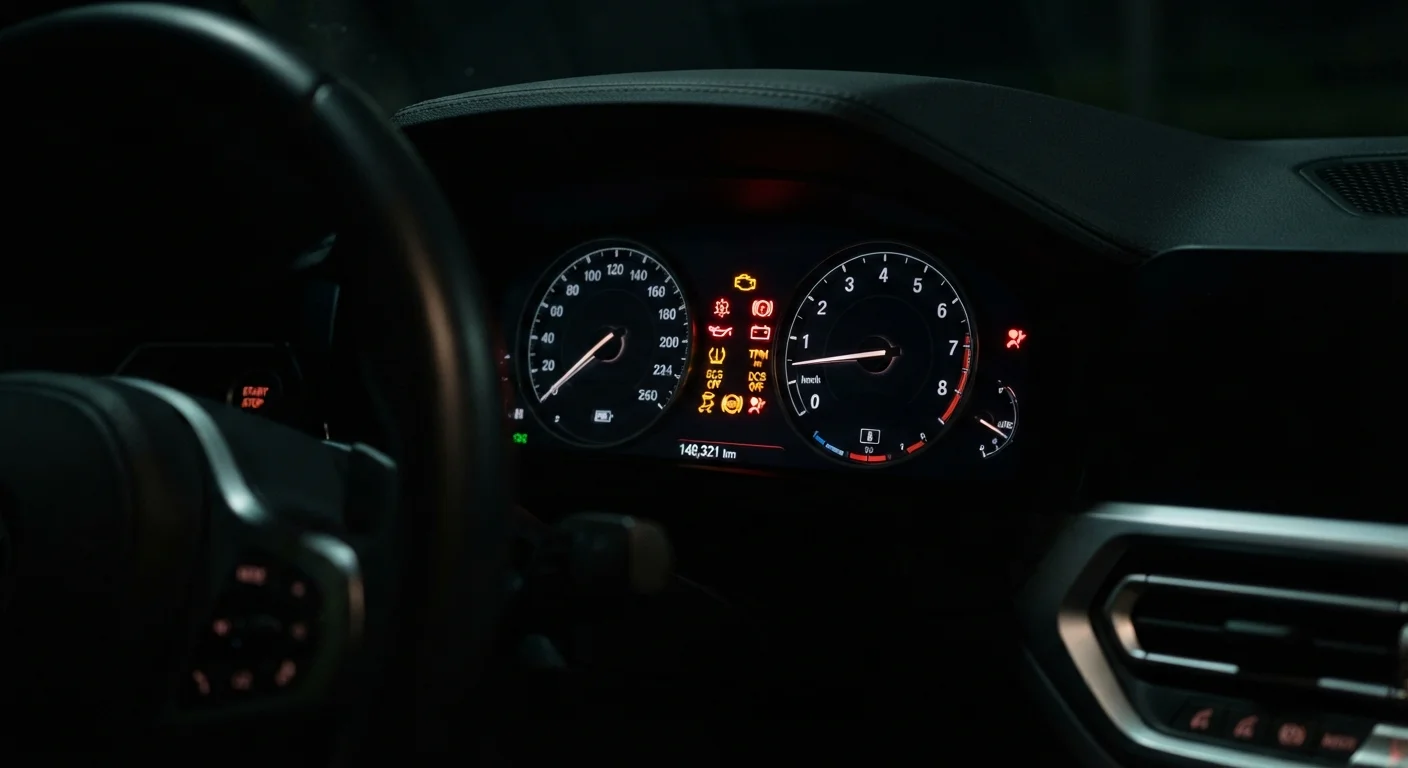
Photo credit: InGlimpse.com | Where Curiosity Finds Answers
In this article
Dashboard warning lights can range from minor alerts to urgent issues. This reference explains what common symbols mean and how to respond.
How Warning Lights Work: Color, Shape, and Priority
Your dashboard uses a color-coded system to signal how urgently a problem needs attention. Red lights indicate conditions that require immediate action — continuing to drive could cause serious damage or create a safety hazard. Amber or yellow lights flag issues that need attention soon but are generally not immediate emergencies. Green and blue lights are informational, confirming that a system (like your headlights or turn signal) is active.
| Red light meaning | Immediate or urgent attention required |
| Amber/yellow light meaning | Service needed soon; monitor carefully |
| Green/blue light meaning | Informational — system is active |
| Most common dashboard light | Check Engine (MIL) |
| Check engine flash vs. steady | Flashing = more urgent; steady = schedule service |
| Best reference for your vehicle | Your owner's manual warning light section |
Shape matters too. Many symbols follow international automotive standards, so a battery outline almost always means the charging system, and a thermometer in liquid means coolant temperature. That said, symbols can vary slightly between manufacturers. Your owner's manual is the definitive reference for your specific vehicle — it lists every light with an explanation and recommended action.
Common Warning Lights and What They Mean
The following covers the dashboard symbols most drivers encounter. Use this as a starting reference, then verify details in your manual or with a qualified mechanic.
OBD-II
On-Board Diagnostics, second generation — a standardized system built into most vehicles sold in the US after 1996 that monitors engine and emissions systems. When a fault is detected, it stores a code and may trigger the check engine light.
Fault Code (DTC)
A Diagnostic Trouble Code logged by the vehicle's computer when a sensor reading falls outside expected ranges. Mechanics use a scanner to read these codes, which helps identify the source of a warning light.
TPMS
Tire Pressure Monitoring System — a sensor-based system that alerts the driver when one or more tires drop significantly below the recommended inflation pressure.
Charging System
The combination of the alternator, battery, and related components that keeps electrical systems powered while the engine runs. A battery warning light often signals a fault in this system rather than just the battery itself.
Coolant
A fluid (also called antifreeze) circulated through the engine to regulate temperature. Low coolant or a coolant leak can cause the engine to overheat, which the temperature warning light flags.
Traction Control System (TCS)
An active safety system that detects wheel spin during acceleration and applies braking or reduces engine power to help maintain grip on slippery surfaces.
Red Lights — Act Promptly
- Engine Temperature (thermometer in liquid): Your engine is overheating. Pull over safely as soon as possible, turn off the engine, and let it cool before checking coolant levels. Driving an overheated engine can cause severe and costly damage.
- Oil Pressure (oil can): Oil pressure has dropped dangerously low. Stop driving when safe, check oil level, and do not restart until the cause is identified. Low oil pressure can destroy an engine quickly.
- Battery (battery outline): The charging system isn't maintaining voltage. You may have limited time before electrical systems fail. Head toward a service location; avoid unnecessary electrical loads.
- Brake System (exclamation mark in circle, or "BRAKE"): This can mean the parking brake is engaged, brake fluid is low, or there's a fault in the braking system. If the parking brake is off and the light stays on, treat it as urgent. See brake wear warning signs for more context.
Amber Lights — Schedule Service
- Check Engine (engine outline): One of the most common — and most misunderstood — lights. It signals the onboard diagnostic system has logged a fault code. It can mean anything from a loose gas cap to a misfiring cylinder. A solid amber check engine light generally allows continued driving, but get it scanned soon. A flashing check engine light is more serious and warrants prompt attention.
- Tire Pressure (flat tire with exclamation mark): One or more tires are outside the recommended pressure range. Check and adjust pressure when safe. Underinflated tires affect fuel economy, handling, and wear. For more on routine vehicle checks, see our fluid and maintenance guide.
- Traction Control / Stability Control (car with wavy lines): The system has activated, or there's a fault. If it flashes briefly while driving on slippery roads, that's normal. If it stays on, the system may be disabled.
- Service Required / Maintenance Due: A reminder based on mileage or time intervals — not an emergency, but don't ignore it indefinitely.
Check Engine Light Doesn't Always Mean Crisis
A steady amber check engine light can be triggered by something as minor as a loose or missing gas cap. After tightening the cap, the light may take several drive cycles to clear on its own. If the light persists or flashes, have the vehicle scanned by a qualified mechanic. Don't assume the worst — but don't ignore it either.
For a broader look at keeping your car roadworthy, the car ownership and maintenance guide covers when to handle things yourself and when to call a mechanic.
When to Stop Immediately vs. When to Monitor
Not every warning light demands you pull over on the spot, but some do. Use this general decision framework:
1 in 4
Cars on US roads with an illuminated check engine light
Various automotive industry surveys have consistently found a significant share of vehicles in operation have an active check engine or other warning light.
~$0
Cost to have fault codes read at many service shops
Many auto service locations offer complimentary OBD-II code scanning, which can help identify the cause of a check engine light before committing to repairs.
- Stop driving immediately if you see red oil pressure, red engine temperature, or a red brake system warning (with brake pedal feeling soft or spongy). These can indicate conditions where continued driving risks your safety or causes severe mechanical damage.
- Drive cautiously to a safe stop for a battery warning or any red light you can't immediately identify. Reduce electrical load and avoid long distances.
- Schedule service promptly for a steady amber check engine light, TPMS warning, or traction control fault. These don't typically require roadside stops but shouldn't be deferred for weeks.
- Note and monitor informational lights (green/blue) — these confirm active systems and typically turn off on their own.
If you're unsure what a light means, consult your owner's manual first. Most manufacturers include a dedicated warning light section. You can also have the vehicle scanned at many auto service shops, which can read diagnostic fault codes and help narrow down the cause — particularly useful for check engine lights.
This article provides general educational information about dashboard warning lights and is not a substitute for guidance from a qualified mechanic or your vehicle's owner's manual. Always consult a licensed automotive professional for diagnosis and repair decisions specific to your vehicle.

Author
Autos Editorial Team
Autos Editorial Team is the collective byline for our editorial team and contributor network. Articles published under this byline or an editorial pen name are researched, written, and reviewed according to our editorial standards for clarity, consistency, and independence before publication.
View all articles →