
Fluid Checks Every Driver Should Know How to Do
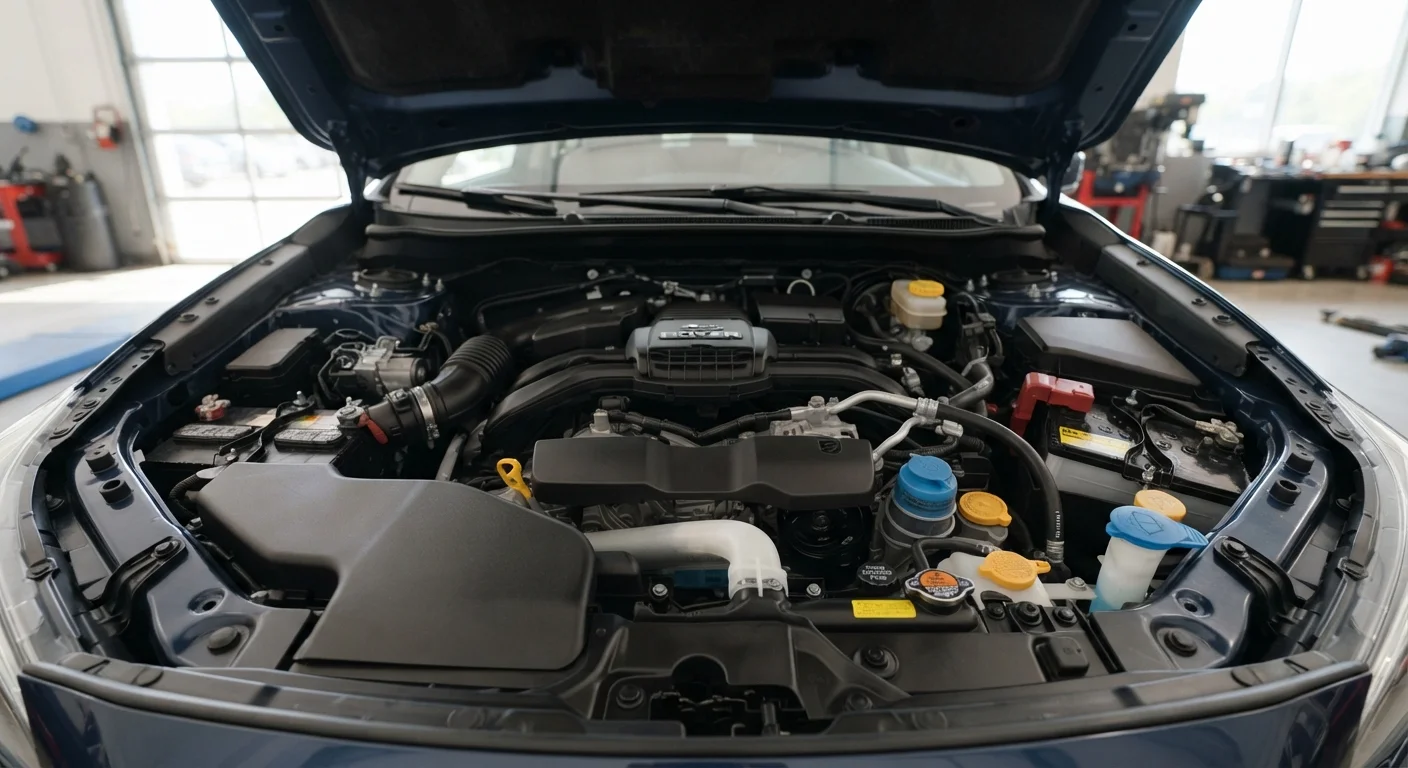
Photo credit: InGlimpse.com | Where Curiosity Finds Answers
Engine oil, coolant, brake fluid, and more — a straightforward walkthrough of the under-hood fluids you can monitor yourself.
Key Takeaways
- Most under-hood fluid checks take under 20 minutes and require no special tools.
- Engine oil, coolant, brake fluid, power steering fluid, and washer fluid each have dedicated reservoirs you can inspect visually.
- Your owner's manual specifies the correct fluid types and check intervals for your exact vehicle.
- Low or discolored fluids often signal a problem that a mechanic should evaluate before it worsens.
- Checking fluids on a cold engine is safer and gives more accurate readings for several key checks.
Why Fluid Checks Matter
Your vehicle depends on several fluids to run safely - and most of them are easy to monitor yourself with no tools beyond a rag and your eyes. Staying on top of fluid levels won't replace scheduled maintenance, but it gives you an early warning system. Catching a low oil level or discolored brake fluid before it becomes a breakdown or a safety issue can save you real money and real risk.
This guide focuses on the checks that are practical for most drivers to do at home. For anything beyond inspection - flushing, replacing, or diagnosing leaks - consult a qualified mechanic. If you're not sure which tasks are in your DIY range, this breakdown of DIY vs. shop maintenance offers a useful starting point.
Before you begin, pull up your owner's manual. It lists reservoir locations, correct fluid specifications, and check intervals specific to your vehicle. If you're not sure which sections matter most, this guide to reading your owner's manual highlights the parts worth knowing.
What you will need
What You'll Need
Fluid checks require minimal equipment. Gather these before you pop the hood:
Lint-free rags or paper towels
Wipe dipsticks clean before reading fluid levels to get an accurate measurement.
Flashlight
Illuminate the engine bay and fluid reservoirs, especially in low-light conditions.
Owner's manual
Confirm correct fluid types, reservoir locations, and manufacturer-recommended check intervals.
Gloves (nitrile or similar)
Protect your hands from fluids that can irritate skin, particularly brake fluid and coolant.
Park on level ground and let the engine cool
Pull onto flat, stable ground and turn off the engine. Wait at least 10 minutes before opening the hood - longer if the vehicle has been running hard. Many fluids expand when hot, which can skew your readings, and some components (like the coolant reservoir cap) hold pressurized fluid that can cause burns if opened prematurely.
Check engine oil with the dipstick
Locate the oil dipstick - usually marked with a brightly colored handle. Pull it out, wipe it clean with a rag, reinsert it fully, then pull it out again. The oil should fall between the MIN and MAX marks. Also note the color: fresh oil is amber; dark brown or black oil may indicate it's due for a change. Milky or foamy oil can signal coolant contamination - a situation that warrants prompt mechanic attention.
Inspect the coolant (antifreeze) level
The coolant reservoir is a translucent plastic tank, typically near the radiator. You can read the level through the tank wall without opening it - look for MIN and MAX lines. The coolant should appear bright (green, orange, pink, or blue depending on type) and transparent. If the level is consistently low, have the cooling system inspected for a leak rather than simply topping it off repeatedly.
Check the brake fluid
The brake fluid reservoir sits on top of the brake master cylinder, usually near the firewall on the driver's side. Most reservoirs are translucent; check the level against the MIN/MAX markings on the outside. Brake fluid should be nearly clear to light yellow. Significantly dark fluid, or a level that has dropped noticeably, is worth flagging to a mechanic - brakes are a safety-critical system and not the place to guess.
Check power steering fluid (if applicable)
Many newer vehicles use electric power steering and have no fluid to check. On older or hydraulic-system vehicles, the power steering reservoir has a dipstick or MIN/MAX markings. The fluid should be at the correct level and appear clear or lightly tinted. If it looks dark or smells burnt, mention it at your next service appointment.
Top off windshield washer fluid
The washer fluid reservoir is typically labeled with a windshield and wiper symbol. This is the one fluid most drivers can safely add themselves without concern - use a commercially formulated washer fluid, not plain water, as it resists freezing in cold climates and is more effective at removing road grime and insects.
When Fluids Signal a Bigger Problem
A one-time low reading isn't always cause for alarm - but a pattern of low levels, or fluid that looks wrong, usually is. Dark, gritty engine oil suggests it's overdue for a change. Milky coolant or oil points to a potential head gasket issue. A brake fluid level that keeps dropping despite no changes to your pads warrants an immediate inspection.
Your dashboard warning lights are a parallel monitoring system worth understanding. This plain-language reference for dashboard warning lights explains what common symbols mean and how urgently to respond.
Don't Ignore Recurring Low Levels
If you find yourself regularly topping off the same fluid, that's a sign of a leak or internal issue - not just normal consumption. Most vehicles don't burn through coolant or brake fluid at a noticeable rate under normal conditions. Repeated top-offs without a mechanic's inspection can mask a worsening problem.
If you're preparing for a longer drive, fluid checks are just one part of the picture. See the full vehicle readiness checklist for road trips for everything worth confirming before you head out.

Author
Autos Editorial Team
Autos Editorial Team is the collective byline for our editorial team and contributor network. Articles published under this byline or an editorial pen name are researched, written, and reviewed according to our editorial standards for clarity, consistency, and independence before publication.
View all articles →