
Before You Take a Road Trip: A Vehicle Readiness Checklist
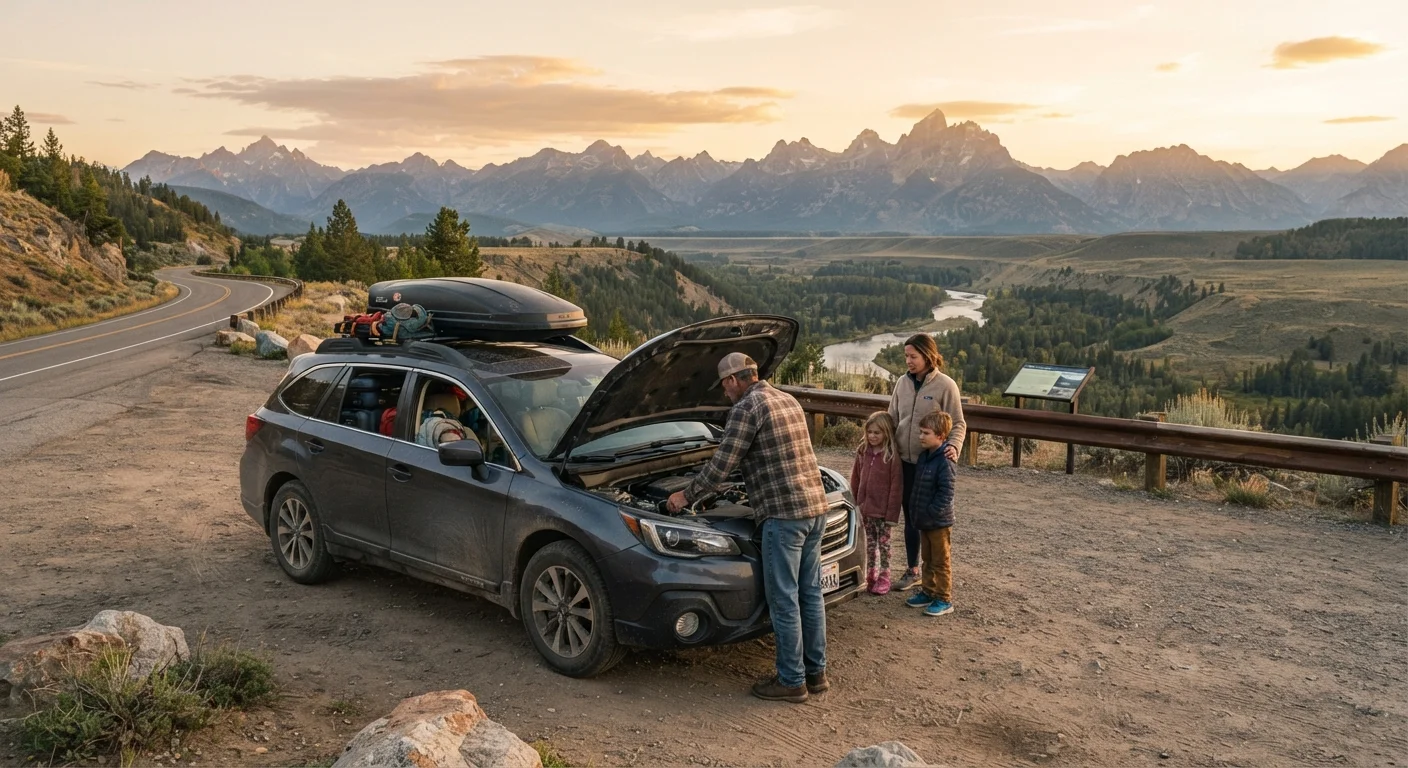
Photo credit: InGlimpse.com | Where Curiosity Finds Answers
In this article
Don't head out on a long drive without checking these vehicle basics — from fluid levels to tire condition and emergency supplies.
Key Takeaways
- Checking fluid levels, tires, and brakes before a long drive reduces the risk of roadside breakdowns.
- A basic emergency kit in your trunk can make a real difference if something goes wrong far from home.
- Most pre-trip checks take under an hour and require no specialized tools or mechanical knowledge.
- Verifying your insurance, registration, and roadside assistance coverage is as important as mechanical prep.
- Tire pressure and tread condition are among the most commonly overlooked — and most critical — items to verify.
Why a Pre-Trip Vehicle Check Matters
Most vehicle breakdowns on long drives aren't random bad luck — they're the result of something that was already developing before departure. A tire slowly losing pressure, brakes that had been grinding for weeks, or an oil level that was a quart low: these are problems that a 30-minute check could catch before they strand you on the shoulder of an interstate.
This checklist is designed for everyday drivers — not mechanics. You don't need specialized tools or technical knowledge to complete most of these items. What you do need is about half an hour and a willingness to look before you leave.
If you're traveling with a pet, see our road trip planning guide for pet owners for additional preparation steps. And if you're a newer vehicle owner, our piece on things new car owners frequently overlook covers habits worth building before any long drive.
Don't Ignore Dashboard Warning Lights
If your check engine light, oil pressure warning, or tire pressure monitoring system (TPMS) light is on before you leave, do not simply clear or ignore it. These indicators often signal conditions that can worsen significantly over a long drive. Have the vehicle inspected by a qualified mechanic before departure.
Skip DIY Brake Work Before a Long Trip
Brake inspection and repair should be performed by a licensed mechanic, especially before high-mileage travel. Improperly serviced brakes are a serious safety hazard. If you have any doubt about your braking system, get it professionally evaluated before you leave.
How to Use This Checklist
Work through each group in order — fluids and engine basics first, then tires, lights, brakes, documents, and your emergency kit. Items marked must are non-negotiable before departure. Items marked should are strongly recommended and take little additional time. Nice-to-have items add an extra layer of preparedness without being critical.
For anything that requires professional evaluation — particularly brakes, belts, or active dashboard warnings — don't delay. A pre-departure mechanic visit is far less disruptive than a breakdown en route. Many shops offer quick multi-point inspections that cover the key systems in under an hour.
Tire Pressure Gauge
Accurately measures PSI in each tire so you can inflate or deflate to the manufacturer's recommended level.
Portable Jump Starter
Allows you to restart a dead battery without needing another vehicle — essential for solo or remote travel.
Flashlight or Headlamp
Provides visibility for under-hood checks and roadside situations in low-light conditions.
Basic First-Aid Kit
Covers minor injuries during travel before professional medical care is available.
Reflective Triangles or Road Flares
Warns approaching traffic if your vehicle is stopped on or near the roadway.
Fluids & Engine Basics
Tires & Wheels
Lights & Visibility
Brakes & Belts
Documents & Coverage
Emergency Kit & Supplies
A Note on Cold-Weather and Seasonal Travel
This checklist covers general year-round readiness. If you're traveling in winter conditions — snow, ice, or sub-freezing temperatures — additional preparation is required. Tire type, battery health, and antifreeze concentration all matter significantly more in cold weather. See our winter road conditions preparation checklist for a cold-weather-specific guide, and our seasonal car care guide for maintenance steps before temperatures drop.
For general safe driving resources and car maintenance fundamentals, the Driving Safety hub and Car Maintenance hub are good starting points for building consistent vehicle care habits year-round.
Plan for Emergencies Before You Need To
Cell coverage can be spotty on rural or mountain routes. Before departure, download offline maps, note the contact numbers for your roadside assistance provider, and share your route and expected arrival time with someone you trust. Preparation costs nothing; being stranded without a plan can cost a great deal.
This article is for general informational purposes only. It does not constitute mechanical, legal, or professional automotive advice. For any safety-related concerns about your vehicle, consult a qualified mechanic before traveling.

Author
Autos Editorial Team
Autos Editorial Team is the collective byline for our editorial team and contributor network. Articles published under this byline or an editorial pen name are researched, written, and reviewed according to our editorial standards for clarity, consistency, and independence before publication.
View all articles →