
Seasonal Car Care: Preparing Your Vehicle for Winter Driving
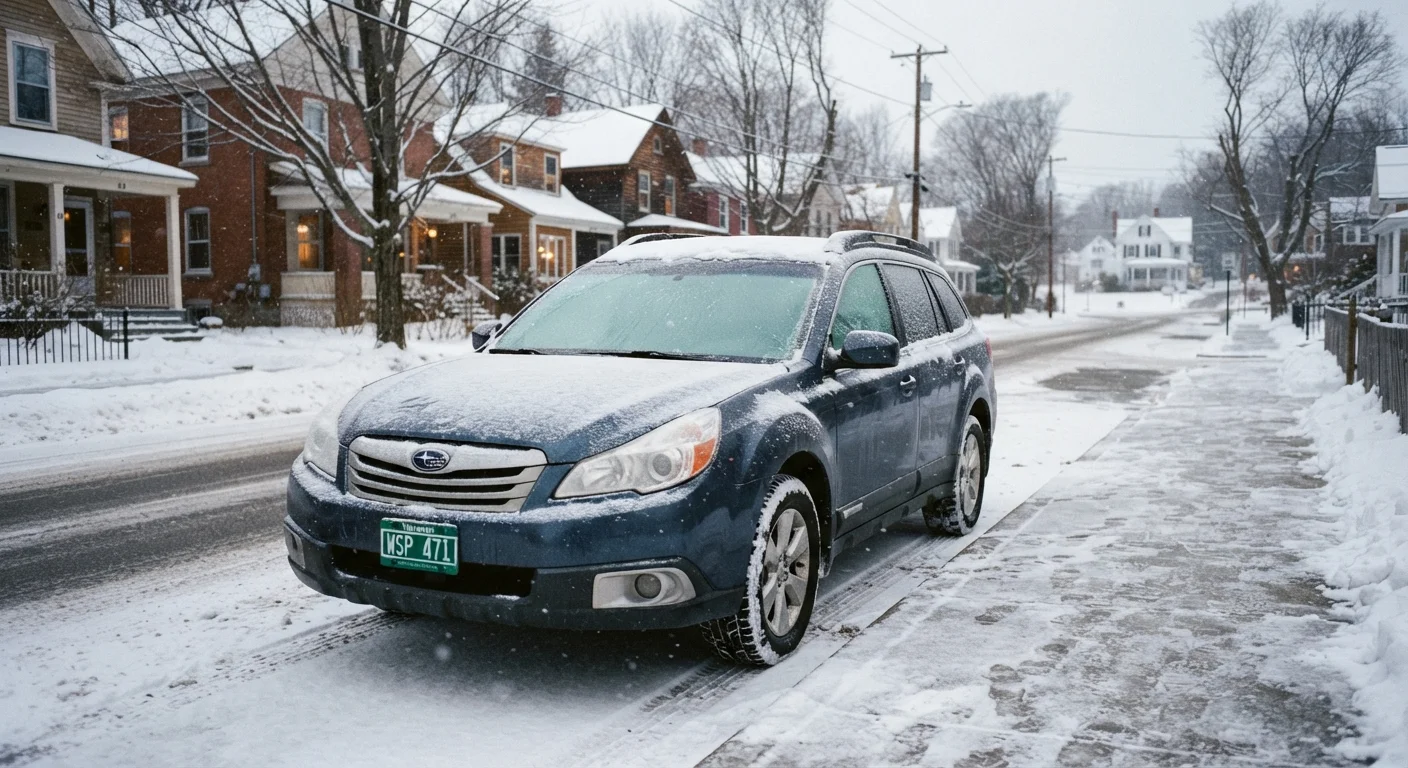
Photo credit: InGlimpse.com | Where Curiosity Finds Answers
In this article
Walk through the key checks and adjustments that help your car handle cold temperatures, ice, and reduced-visibility winter conditions.
Key Takeaways
- Cold temperatures affect tire pressure, battery capacity, and fluid viscosity - check all three before winter arrives.
- Tires are your most critical safety item in winter; worn tread or low pressure dramatically reduces grip on ice and snow.
- A stocked winter emergency kit can be the difference between a minor inconvenience and a dangerous situation.
- Many winter prep tasks are DIY-friendly, but a qualified mechanic should inspect your brake system and cooling system.
- Starting winter prep in autumn gives you time to address issues before the first hard freeze.
Why Winter Prep Is More Than an Oil Change
Most drivers know they should do something to prepare their car for winter. Fewer follow through systematically. Cold weather doesn't just make driving uncomfortable - it puts measurable stress on your battery, tires, brakes, fluids, and visibility systems all at once. A vehicle that runs fine in October can leave you stranded in January if you haven't addressed the right items ahead of time.
This checklist is designed for everyday US drivers who want to cover the essentials without over-complicating it. Work through it before temperatures consistently drop below freezing in your area. For a broader look at winter driving habits and road conditions, see our Winter Road Conditions driver checklist. And if you're planning a longer trip this season, pair this guide with our vehicle readiness checklist for road trips.
Tires
Battery and Electrical
Fluids
Visibility and Wipers
Brakes and Drivetrain
Emergency Kit
What You'll Need to Work Through This Checklist
Most of these checks require nothing more than a few basic tools and about an hour of your time. A few items - particularly brakes and cooling system inspection - are better handled by a qualified mechanic if you're not comfortable under the hood. The tools listed below cover the DIY portions.
Tire pressure gauge
Measures PSI in all four tires and the spare so you can inflate to the manufacturer's recommended level.
Penny (for tread depth check)
Used as a simple gauge to assess whether tire tread depth is safe for winter driving.
Battery tester or multimeter
Tests battery voltage and cold-cranking amps to determine if the battery can handle cold-weather starting demands.
Coolant/antifreeze tester
Checks the freeze-protection level of your coolant mixture to confirm it's adequate for your climate.
Flashlight or work light
Lets you inspect tires, fluid reservoirs, and engine components in poor lighting conditions.
Owner's manual
Confirms manufacturer-specified fluid types, viscosity grades, and maintenance intervals for your specific vehicle.
Critical Safety Notes Before You Start
Don't Skip the Brake Inspection
Brakes are the single most critical safety system on your vehicle in winter conditions. If you hear grinding, squealing, or notice the pedal feels soft or low, have the brakes inspected by a licensed mechanic before driving in snow or ice. Do not attempt to assess or repair brake components yourself unless you have verified mechanical training - incorrect brake work can cause brake failure.
Never Warm Up Your Car in an Enclosed Garage
Running a vehicle engine in an enclosed or poorly ventilated space causes carbon monoxide to build up rapidly. Carbon monoxide is odorless and can be fatal within minutes. Always move your vehicle outside before letting it idle to warm up, and keep the garage door fully open if you need to start the engine briefly inside.
Once you've completed the checklist, take a short test drive on a quiet road before you face real winter conditions. You want to confirm that everything - heat, defrost, wipers, braking - is working as expected before you need it. For ongoing guidance on safe driving habits and general car ownership essentials, explore our dedicated resource hubs.
This article provides general vehicle maintenance information for educational purposes only. Always consult your vehicle's owner manual and a qualified mechanic before performing repairs or modifications. Safety-critical tasks such as brake inspection should be performed by a licensed professional.

Author
Autos Editorial Team
Autos Editorial Team is the collective byline for our editorial team and contributor network. Articles published under this byline or an editorial pen name are researched, written, and reviewed according to our editorial standards for clarity, consistency, and independence before publication.
View all articles →