Winter Road Conditions: A Driver's Preparation Checklist
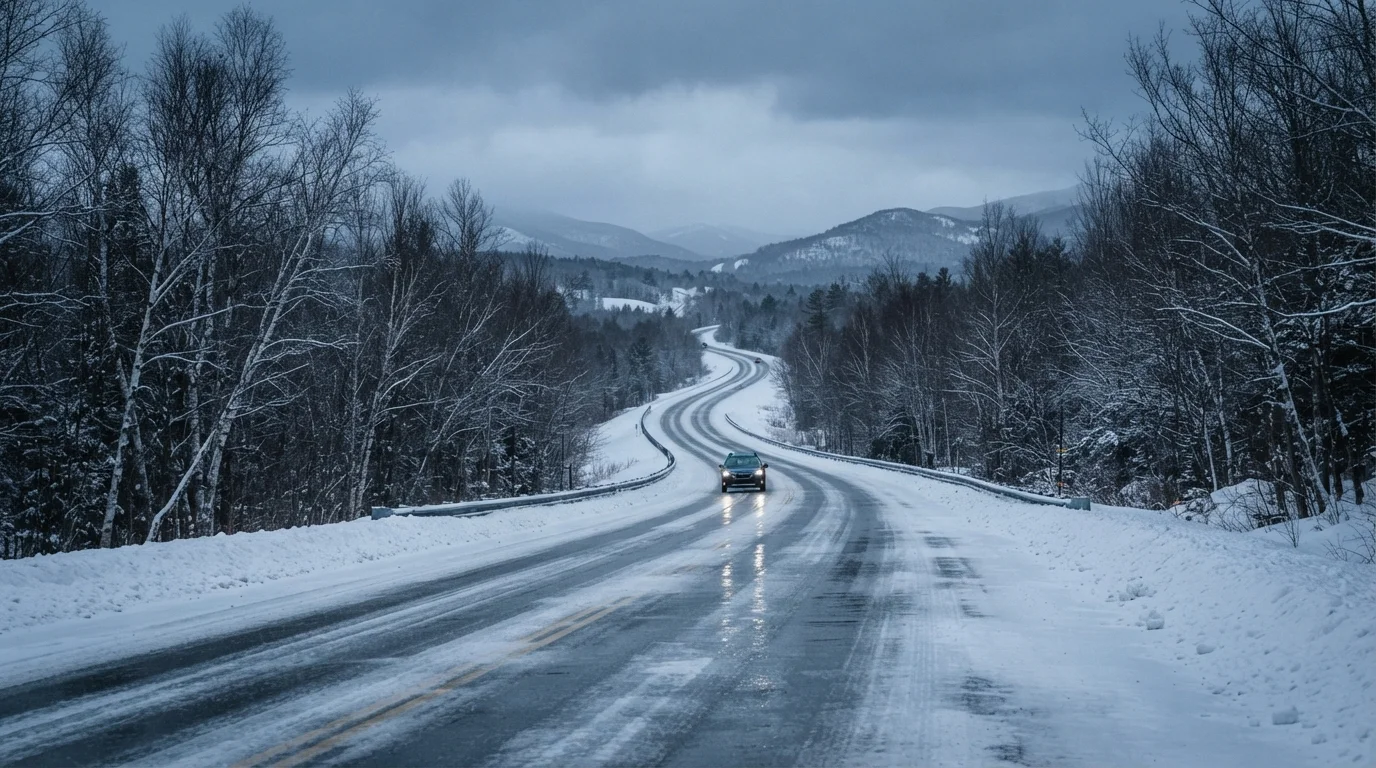
Photo credit: InGlimpse.com | Where Curiosity Finds Answers
In this article
Before ice and snow arrive, use this checklist to verify your vehicle, supplies, and driving habits are ready for cold-weather conditions.
Key Takeaways
- Tire tread depth and inflation are the single most important factors for winter traction.
- A stocked emergency kit can be lifesaving if you get stranded in cold weather.
- Driving habits — speed, following distance, braking — matter as much as vehicle condition.
- Many winter preparedness checks overlap with routine maintenance; do them before the first freeze.
- Know your vehicle's traction aids (ABS, AWD, traction control) and their real limitations.
Why Winter Preparation Deserves Its Own Checklist
Rain creates hazardous roads, but ice and snow introduce a fundamentally different set of risks — longer stopping distances, reduced steering response, and the real possibility of being stranded far from help. If wet-road dangers interest you, our article on hydroplaning and wet-road hazards covers that topic in depth. Winter conditions layer additional threats on top of everything wet roads already do.
This checklist is organized into four practical groups: vehicle mechanics, tires, emergency supplies, and driving habits. Work through them before the first hard freeze in your region — not during a storm warning. For a broader look at year-round vehicle upkeep, the car maintenance hub is a useful starting point.
Don't Wait for the First Storm to Prepare
Winter preparation done the morning of a major storm is rushed preparation. Tire shops and auto parts stores often face high demand when the first freeze hits. Work through this checklist in fall — before ice and snow arrive — so you have time to address anything that needs professional attention without the pressure of an imminent storm.
What You'll Need to Work Through This Checklist
Most of these checks require only basic tools and about an hour of your time. A few may require a trip to a qualified mechanic — those are flagged clearly in the checklist below. Do not skip professional inspection items if you are not confident performing them yourself; a missed fault in a safety-critical system is not worth the time saved.
Tire tread-depth gauge
Measures remaining tread depth accurately so you know whether your tires are safe for winter conditions.
Tire pressure gauge
Checks inflation when tires are cold, which is the only accurate time to measure pressure.
Ice scraper and snow brush
Clears ice and snow from all vehicle surfaces before driving — a legal requirement in many states.
Jump starter pack or jumper cables
Restarts a dead battery in cold weather when another vehicle is not nearby to assist.
Coolant test strips or hydrometer
Verifies that your antifreeze mixture provides adequate freeze protection for your region's temperatures.
Flashlight with fresh batteries
Provides light for roadside emergencies or inspections in low-visibility winter conditions.
The Full Winter Preparation Checklist
Work through each group methodically. Items marked must are non-negotiable for safe winter operation. Should items are strongly recommended, especially in regions that experience significant snowfall or extended freezing temperatures. Nice-to-have items add meaningful safety margin but are less critical.
For deeper guidance on seasonal vehicle checks, see our seasonal car care for winter driving article, which walks through key mechanical adjustments in more detail.
Vehicle Mechanics
Tires
Emergency Supplies
Driving Habits & Route Planning
Never Warm Up Your Car in an Enclosed Space
Running a vehicle engine in a closed garage — even briefly — creates a carbon monoxide buildup that can be fatal. Always move the vehicle outside before letting it idle to warm up. If your garage is attached to your home, be aware that exhaust can seep indoors even with the garage door open.
Clear Snow From Your Entire Vehicle, Not Just the Windows
Many states have laws requiring drivers to remove snow and ice from their vehicles before driving. Snow left on the roof can slide onto your windshield or onto vehicles behind you at highway speeds, creating a serious hazard for other drivers. Clear the hood, roof, and trunk lid every time.
Adjusting How You Drive — Not Just What You Drive
Mechanical preparation only goes so far. On ice and packed snow, even a well-maintained vehicle with quality tires requires significant changes in driving behavior. All-wheel drive and traction control help you get moving; they do not meaningfully shorten stopping distances on ice. That distinction matters.
Broaden your knowledge of safe driving across all weather types with our comprehensive road guide for all conditions. And if you're planning a long winter trip, the vehicle readiness checklist for road trips adds another useful layer of preparation on top of this one.
This article provides general vehicle safety information for educational purposes. Always consult a qualified mechanic for vehicle inspections and repairs, and follow the laws and advisories of your state and local jurisdiction when driving in winter conditions.

Author
Autos Editorial Team
Autos Editorial Team is the collective byline for our editorial team and contributor network. Articles published under this byline or an editorial pen name are researched, written, and reviewed according to our editorial standards for clarity, consistency, and independence before publication.
View all articles →