
Annual Vet Visits vs. As-Needed Appointments: What Routine Pet Care Actually Requires
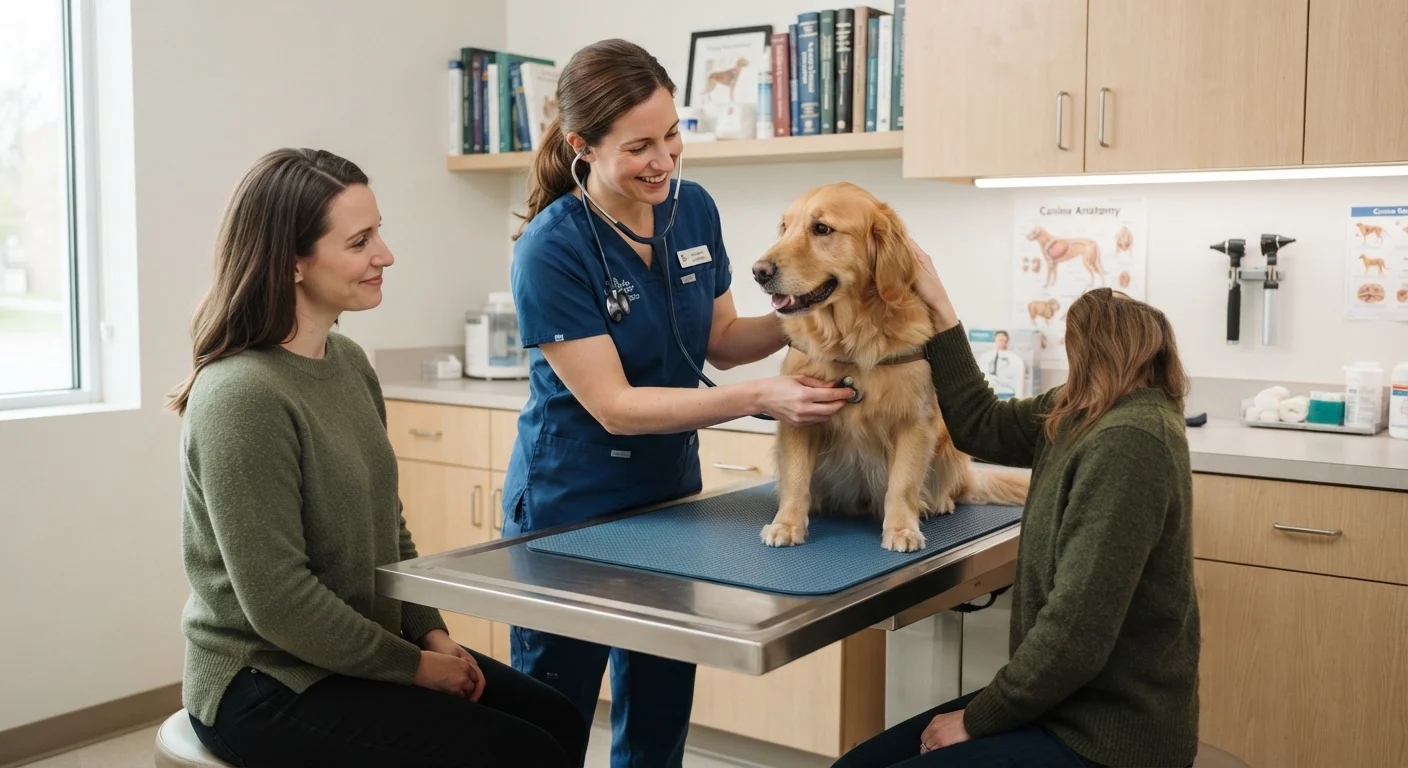
Photo credit: InGlimpse.com | Where Curiosity Finds Answers
In this article
Not all pets need the same veterinary schedule. Here's how to think about preventive care frequency by species, age, and health status.
Key Takeaways
- Most adult dogs and cats benefit from at least one wellness exam per year, even when they appear healthy.
- Senior pets and very young animals typically need more frequent veterinary contact than healthy adults.
- As-needed visits are essential for acute concerns but should supplement — not replace — preventive care.
- Species other than dogs and cats often have different recommended exam schedules based on their biology.
- Early detection of disease through routine exams can reduce long-term treatment complexity and cost.
Why the Annual vs. As-Needed Question Matters
Many pet owners operate under a simple assumption: if the animal isn't sick, a vet visit can wait. Others dutifully bring their pets in every year without fully understanding what that visit accomplishes. Both approaches leave gaps. Understanding the purpose of each type of appointment helps you build a care plan that is genuinely responsive to your pet's needs — not just a routine or a reaction.
Preventive care and urgent care serve different functions. Annual or semi-annual wellness exams are designed to detect problems before they become obvious, track changes in weight and organ function, keep vaccinations current, and give your veterinarian a baseline for your individual animal. As-needed visits address specific concerns that can't wait — limping, appetite loss, unusual discharge, or behavioral shifts that suggest something is wrong. Neither replaces the other. For a broader look at what pet ownership actually costs across both types of care, see the real costs of pet ownership in the US.
| Criterion | Annual Preventive Visits | As-Needed Appointments |
|---|---|---|
| Primary purpose | Proactive health monitoring | Addressing specific concerns |
| Trigger | Calendar-based schedule | Symptoms or owner concern |
| Includes vaccinations | Yes, reviewed and updated | Only if specifically needed |
| Early disease detection | Core function | Incidental to presenting issue |
| Appropriate for seniors | Every 6 months recommended | Supplements, does not replace |
| Required for young pets | Multiple visits in year one | In addition to scheduled series |
| Cost predictability | Generally predictable | Variable, can be significant |
How Age and Species Change the Equation
A one-size-fits-all schedule doesn't reflect how differently pets age or how varied their health risks are. Puppies and kittens typically require a series of veterinary visits during their first year to complete vaccination series, receive parasite treatment, and have developmental milestones assessed. Adult pets in good health — roughly ages one through six or seven for most dogs and cats — are generally well-served by an annual wellness exam. Once a dog or cat crosses into senior status, many veterinarians recommend exams every six months, since age-related conditions like kidney disease, arthritis, and thyroid dysfunction can progress quickly.
Species matter just as much as age. Rabbits, guinea pigs, birds, and reptiles have entirely different physiologies and health timelines. Birds in particular are skilled at masking illness — by the time symptoms are visible, significant deterioration may have already occurred. If you share your home with a parrot or other pet bird, understanding when behavioral changes signal medical problems is an important part of responsible ownership. Exotic species should ideally be seen by a veterinarian with specific experience in that animal's biology.
~47%
US cats that visit a vet annually
The American Veterinary Medical Association has noted cats are consistently under-vetted compared to dogs, partly because owners assume healthy-looking cats don't need checkups.
2×/year
Recommended senior pet exam frequency
Most veterinary organizations recommend twice-yearly wellness exams for dogs and cats over age seven, reflecting how quickly age-related conditions can progress.
~80%
Dogs showing dental disease by age 3
According to the American Veterinary Dental College, dental disease is one of the most commonly diagnosed problems in dogs and cats — yet it is largely detectable and addressable through routine exams.
What a Wellness Exam Actually Covers
A routine annual exam is more than a quick once-over. Your veterinarian will typically assess body weight and condition score, examine eyes, ears, teeth, skin, and coat, listen to heart and lung sounds, palpate the abdomen, and review vaccination and parasite prevention status. Depending on your pet's age and history, blood panels, urinalysis, or fecal tests may be recommended. This kind of systematic review is how early-stage kidney disease, dental disease, heart murmurs, and other common conditions get caught before they require emergency intervention.
Vaccinations are one of the most time-sensitive elements of preventive care. Core vaccines — those recommended for virtually all pets — need to stay current, while lifestyle-based vaccines depend on your pet's exposure risks. For a detailed breakdown, see core vs. non-core vaccines for dogs and cats. Grooming assessment is another underappreciated part of a wellness visit — coat condition, nail length, and ear health all provide diagnostic clues. Routine grooming at home also supports what your vet monitors during exams.
What About Pets That Seem Perfectly Healthy?
Healthy-appearing pets can still harbor early-stage disease. Many conditions — including chronic kidney disease, dental disease, and hypertension — have few outward signs in early phases. Routine exams allow your veterinarian to detect subtle changes in weight, organ function, or physical condition before symptoms become pronounced. Skipping preventive care because a pet "seems fine" is one of the most common reasons conditions go undetected until they are more advanced and harder to manage.
When As-Needed Visits Are Non-Negotiable
Certain signs should prompt a veterinary visit regardless of when the last annual exam occurred. These include difficulty breathing, collapse or extreme lethargy, suspected ingestion of a toxic substance, wounds that are deep or not healing, prolonged vomiting or diarrhea, sudden vision changes, inability to urinate, and obvious pain. Waiting for a scheduled appointment in these situations is not appropriate — contact your veterinarian or an emergency animal hospital promptly.
Beyond emergencies, as-needed visits cover a wide range of non-urgent concerns: a new lump or bump, gradual weight loss, increased water consumption, or changes in behavior that have persisted over days or weeks. These situations don't always constitute emergencies, but they shouldn't simply be monitored at home indefinitely. A pet's nutritional status can also shift enough to warrant discussion outside of annual visits — nutritional needs change across life stages and health conditions, and your vet is the right resource for guidance. See feeding your pet through every life stage for a general overview of how diet needs evolve. If cost is a barrier to timely care, strategies for keeping pets healthy on a tight budget may help.
This article is for general informational and educational purposes only and is not a substitute for professional veterinary advice. Always consult a licensed veterinarian for guidance specific to your pet's health needs.

Author
Pets Editorial Team
Pets Editorial Team is the collective byline for our editorial team and contributor network. Articles published under this byline or an editorial pen name are researched, written, and reviewed according to our editorial standards for clarity, consistency, and independence before publication.
View all articles →