
Bird Feather Plucking: Behavioral vs. Medical Causes
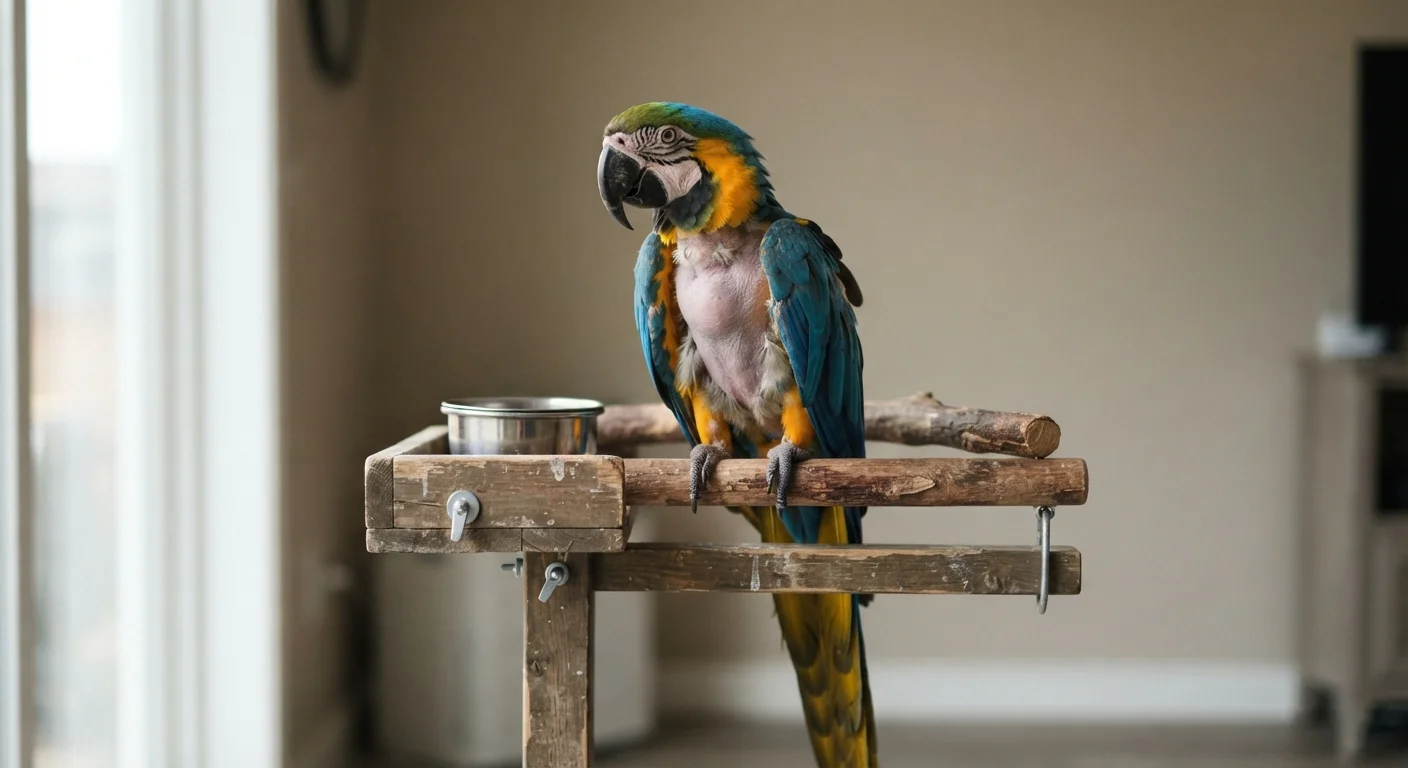
Photo credit: InGlimpse.com | Where Curiosity Finds Answers
In this article
Feather destruction in pet birds can stem from boredom, anxiety, or underlying illness. Understand the difference and when a vet visit is essential.
Key Takeaways
- Feather plucking can signal either a behavioral problem or an underlying medical condition — or both simultaneously.
- A veterinary examination is always the recommended first step to rule out physical illness before addressing behavior.
- Common behavioral triggers include boredom, social isolation, anxiety, and environmental stress.
- Medical causes range from skin infections and parasites to nutritional deficiencies and systemic illness.
- Early intervention generally leads to better outcomes; prolonged plucking can become a self-reinforcing habit.
What Feather Plucking Actually Looks Like
Feather plucking — also called feather destructive behavior (FDB) — refers to a bird deliberately pulling, chewing, or barbering its own feathers beyond normal preening. It is among the most frequently reported concerns in pet parrots and can occur in other caged birds as well.
Signs that distinguish plucking from healthy grooming include: feathers that appear ragged, broken, or missing in patches; bare skin visible on the chest, inner wings, or legs (areas the bird can reach); and feathers found on the cage floor in unusually high numbers. Importantly, a bird cannot pluck its own head feathers — bald patches on the head suggest a cagemate is involved.
Understanding whether the behavior stems from a medical or behavioral root — or a combination — shapes every decision that follows. As signs of behavior change can often mask medical issues, feather plucking deserves the same careful evaluation.
Medical Causes: When the Body Drives the Behavior
Veterinarians consistently recommend that a physical examination and diagnostic workup come first, because numerous health conditions can trigger or intensify feather destruction.
| Behavioral Causes | Medical Causes | |
|---|---|---|
| Onset pattern | Often gradual; tied to a life change | Can be sudden; may appear without obvious trigger |
| Affected areas | Chest, inner wings, legs (reachable areas) | May appear in unusual locations; skin changes visible |
| Accompanying symptoms | Typically none; bird otherwise appears healthy | Appetite loss, weight change, lethargy, abnormal droppings |
| Primary diagnostic tool | Behavioral history and environmental assessment | Veterinary exam, bloodwork, cultures, biopsy |
| Main treatment approach | Enrichment, routine, behavioral consultation | Medication, dietary correction, disease management |
| Risk of habit formation | High if untreated long-term | Present; medical resolution may not stop ingrained behavior |
Common Medical Causes
- Skin infections and folliculitis: Bacterial or yeast infections of the skin or feather follicles create itching and irritation that birds relieve by plucking.
- External parasites: Mites and lice cause localized discomfort, prompting self-directed grooming that escalates.
- Nutritional deficiencies: Diets heavy in seeds and low in fresh produce are linked to vitamin A and calcium deficiencies, which affect feather quality and skin health.
- Systemic illness: Psittacine beak and feather disease (PBFD), liver disease, kidney disease, and hypothyroidism have all been associated with feather abnormalities and plucking.
- Allergies: Environmental allergens, certain foods, or materials in the cage can cause chronic skin irritation.
- Internal parasites or gastrointestinal disorders: Some birds pluck near the abdomen or vent when experiencing internal discomfort.
Because several of these conditions are not visible on the surface, diagnostic tools — bloodwork, cultures, feather or skin biopsies, and imaging — are often necessary. Consulting an avian veterinarian rather than a general small-animal practice is advisable given the specialized nature of bird medicine.
Behavioral Causes: When the Mind Drives the Behavior
When medical causes have been ruled out or adequately treated and plucking persists, behavioral and psychological factors move to the foreground. Parrots are highly intelligent, social animals with needs that captivity does not automatically fulfill.
Keep a Behavior Log Before Your Vet Visit
Document when plucking occurs, which body areas are affected, recent changes to the household, diet, and daily schedule, and any other unusual behaviors you have noticed. A detailed log helps your avian vet make faster, more accurate assessments and can reduce the need for repeat appointments.
Common Behavioral Triggers
- Boredom and under-stimulation: Birds kept in bare environments without foraging opportunities, varied toys, or problem-solving challenges may develop repetitive behaviors as an outlet.
- Social isolation: Many parrot species are flock animals. Insufficient interaction with people or other birds can produce anxiety-driven self-directed behaviors.
- Separation anxiety: Birds that are strongly bonded to one person may pluck when left alone or when their primary caregiver's schedule changes.
- Environmental stressors: New pets, household moves, changes in routine, loud noise sources, or predator sightings (including outdoor cats visible through a window) can trigger stress responses.
- Hormonal changes: Breeding season fluctuations in hormones can make some birds more prone to compulsive behaviors.
- Habit formation: Once plucking begins — even for physical reasons — it can become self-reinforcing. The behavior may continue long after the original trigger is resolved.
Stress manifests differently across species, and in birds it often presents as repetitive or compulsive behaviors before an owner recognizes anything is wrong.
Comparing the Two Pathways: Key Differences
Distinguishing between medical and behavioral plucking is not always straightforward, but certain patterns can offer useful direction before a vet appointment. The table above outlines the key contrasts across several practical criteria.
One reliable signal: plucking that begins abruptly and is accompanied by other physical symptoms — changes in droppings, appetite loss, labored breathing, or lethargy — warrants prompt veterinary attention. Plucking that develops gradually following an identifiable environmental change, with no other physical symptoms, is more suggestive of a behavioral origin, though medical workup is still advised.
This article is for general informational purposes only and is not a substitute for veterinary advice. Always consult a qualified avian veterinarian for concerns about your bird's health or behavior.
What Owners Can Do: Practical Steps
Regardless of cause, there are constructive steps owners can take in parallel with professional guidance.
For Behavioral Plucking
- Increase foraging enrichment: hide food in puzzle feeders, paper cups, or wrapped in shreddable materials.
- Establish a consistent daily routine for feeding, social time, and sleep — birds thrive on predictability.
- Provide species-appropriate social interaction and out-of-cage time daily.
- Reduce identified stressors where possible; rearrange the environment if a specific trigger (such as window sightlines) is suspected.
- Work with an avian behaviorist or certified parrot consultant if self-directed efforts do not yield improvement.
For Medical Plucking
- Follow prescribed treatment plans from your avian vet fully, even if feathers begin to regrow early.
- Improve diet quality: a variety of fresh vegetables, leafy greens, legumes, and appropriate pellets supports skin and feather health.
- Consider routine preventive vet visits to catch emerging health issues before they escalate.
Avoid Collars Without Veterinary Guidance
Elizabethan or neck collars are sometimes suggested to physically prevent plucking, but they should only be used under direct veterinary supervision. Improperly fitted or prolonged collar use can cause significant stress, injury, and welfare problems without addressing the underlying cause of the behavior.
Whatever the cause, punishment — including yelling, covering the cage, or physically restraining the bird — is not an effective or humane response to plucking and may worsen anxiety-driven behavior.

Author
Pets Editorial Team
Pets Editorial Team is the collective byline for our editorial team and contributor network. Articles published under this byline or an editorial pen name are researched, written, and reviewed according to our editorial standards for clarity, consistency, and independence before publication.
View all articles →