
Brake Wear: The Signs That Tell You It's Time to Act
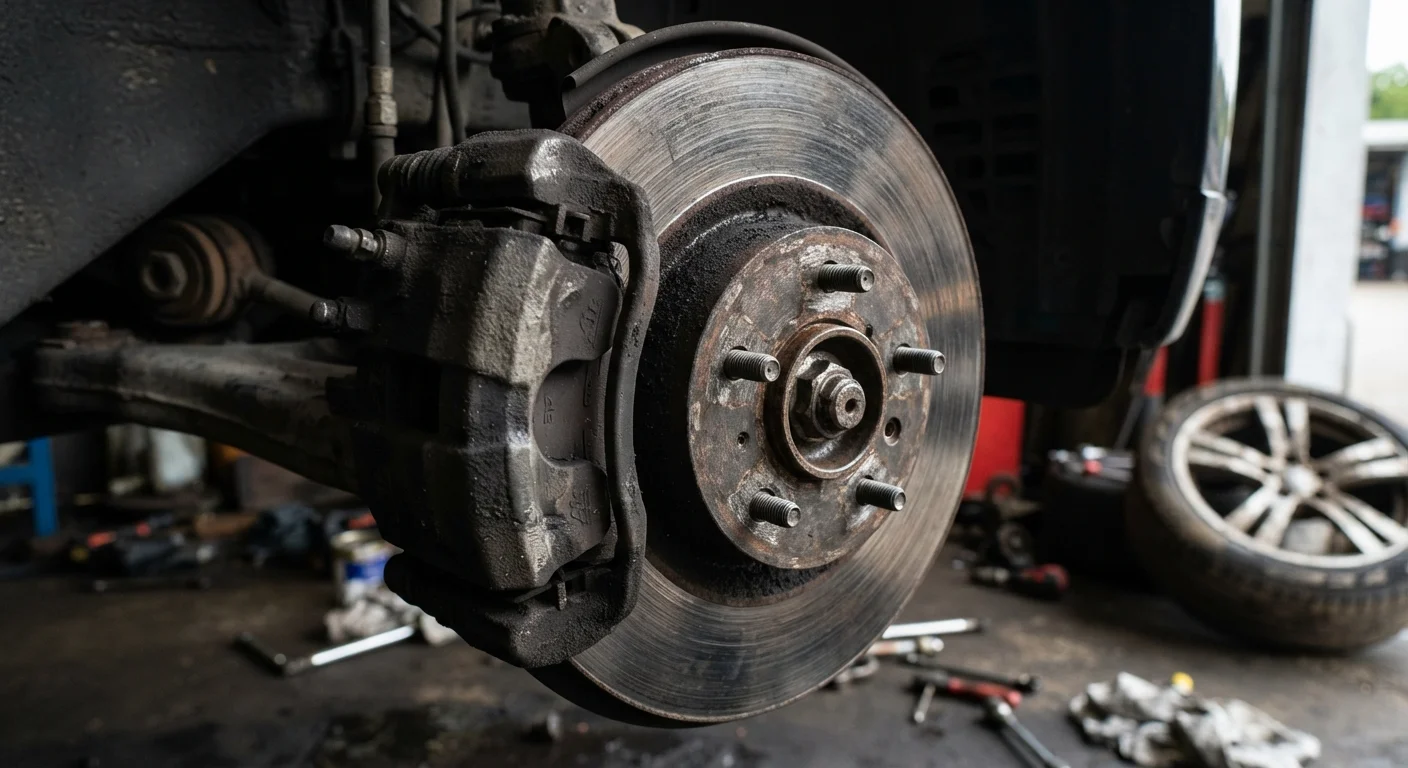
Photo credit: InGlimpse.com | Where Curiosity Finds Answers
In this article
Squealing, grinding, and pulling are all your brakes trying to tell you something. Learn to recognize the signals before they become safety issues.
Key Takeaways
- Squealing when braking is usually the first audible sign that brake pads are nearing the end of their life.
- Grinding noises suggest metal-on-metal contact - a sign you've gone past the warning stage.
- A car that pulls to one side while braking may have uneven pad wear or a stuck caliper.
- Brake pad life varies widely - driving habits and vehicle type matter more than mileage alone.
- A qualified mechanic should inspect brakes at least once a year or whenever warning signs appear.
Why Brake Wear Matters
Your brakes are the single most important safety system on your vehicle. Unlike engine problems that might leave you stranded, brake failure can cause a crash. The good news: brake wear is rarely sudden. Your vehicle typically gives you clear, progressive warning signals - if you know what to listen and feel for.
Understanding those signals is straightforward. You don't need mechanical expertise to recognize when something has changed. What matters is acting on those signals rather than waiting to see if they go away. Regular preventive maintenance is what keeps small wear issues from turning into expensive or dangerous ones.
The Warning Signs You Shouldn't Ignore
Brake wear announces itself in predictable ways. Here are the main signals to watch for:
- Squealing or squeaking when braking: This is often the wear indicator doing exactly what it's designed to do - alerting you that pad material is running low. Occasional squealing on the first stop of a cold morning can be normal, but consistent squealing during braking is a clear prompt to get an inspection.
- Grinding or growling sounds: This is a step beyond squealing. Grinding typically means the pad has worn through entirely and metal is contacting metal. Rotor damage is likely, and stopping distances can increase. This warrants same-week attention from a mechanic.
- Pulling to one side: If the car drifts left or right when you brake, suspect uneven pad wear, a stuck caliper, or a compromised brake line. Pulling is also a symptom worth checking in the context of wet-road handling, where any reduction in braking balance becomes more critical.
- Vibration or pulsing through the pedal: A brake pedal that pulses underfoot often indicates warped rotors - the disc surface is no longer uniformly flat, so the pad contacts it unevenly at speed.
- Spongy or soft pedal feel: If the pedal sinks further than usual before brakes engage, it can signal low brake fluid or air in the lines. Check the fluid reservoir; if it's low, have the system inspected for leaks or pad wear (worn pads allow more fluid into the calipers).
Check Your Brake Fluid Regularly
Brake fluid should be checked at every oil change. A low reservoir can indicate worn pads or a leak. Dark or murky fluid - brake fluid should be nearly clear to light yellow - is a sign it may need to be flushed. Your owner's manual specifies the recommended interval.
Your dashboard can also flag brake issues directly. Brake warning lights - including the ABS light - should never be dismissed as minor alerts.
What Affects How Fast Brakes Wear
Not all brake wear happens at the same rate. Several factors accelerate wear beyond what mileage alone would predict:
Driving Habits Affect Wear More Than You'd Think
Many drivers assume brake wear is simply a mileage milestone. In practice, someone driving 15,000 miles a year in city traffic may wear out pads twice as fast as someone driving the same distance on highways. How and where you drive matters at least as much as how far.
- Driving environment: Stop-and-go urban driving puts far more demand on brakes than steady highway miles. City drivers typically replace pads more frequently.
- Driving style: Frequent hard braking wears pads faster than gradual, anticipatory slowing. Coasting to decelerate before pressing the brake extends pad life noticeably.
- Vehicle weight: Heavier vehicles - trucks, SUVs, those carrying cargo - require more braking force, which accelerates wear.
- Rotor condition: Worn or grooved rotors eat through new pads faster. When replacing pads, mechanics often recommend resurfacing or replacing rotors at the same time for this reason.
When to See a Mechanic
Any combination of the warning signs above - especially grinding, pulling, or pedal changes - warrants a professional brake inspection without delay. Even in the absence of symptoms, most mechanics recommend a visual brake check at least once a year, typically during a tire rotation when the wheels are already off.
If your brake warning light illuminates, treat it as urgent. Dashboard warning symbols related to brakes can indicate low fluid, ABS faults, or engaged parking brakes - all of which need verification before further driving.
This article is for general informational purposes only. For diagnosis of your specific vehicle's brake condition, consult a qualified mechanic.
Frequently Asked Questions

Author
Autos Editorial Team
Autos Editorial Team is the collective byline for our editorial team and contributor network. Articles published under this byline or an editorial pen name are researched, written, and reviewed according to our editorial standards for clarity, consistency, and independence before publication.
View all articles →