
Traveling With a Pet in the US: What to Plan For
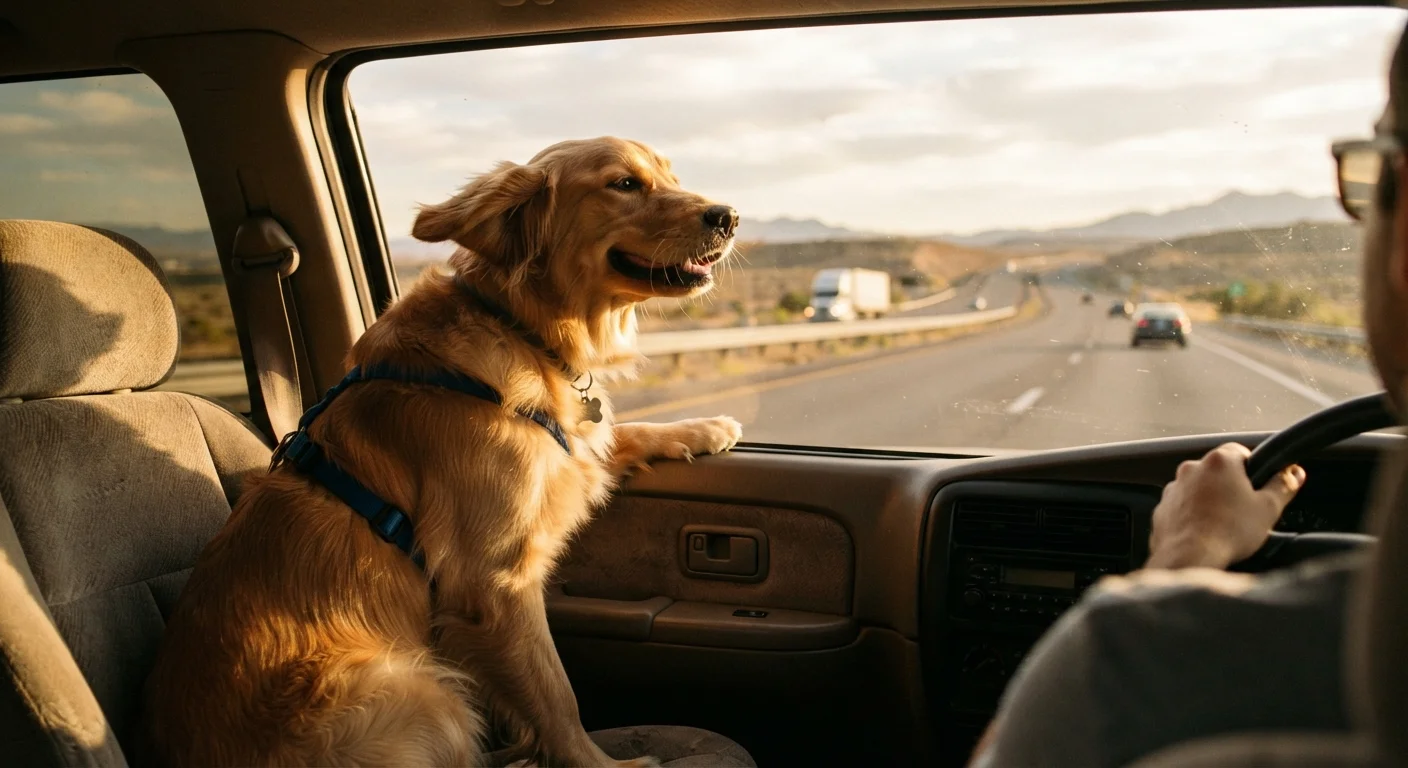
Photo credit: InGlimpse.com | Where Curiosity Finds Answers
In this article
Health certificates, airline policies, road trip safety, and state-by-state considerations for taking your pet across the country.
Key Takeaways
- Health certificates are required for air travel and some state crossings — schedule your vet visit early.
- Airlines have widely varying pet policies; contact your carrier directly before booking.
- Unsecured pets in moving vehicles are a safety risk for both animals and passengers.
- Some states require proof of current vaccinations at entry, especially for dogs.
- Plan rest stops, water, and pet-safe accommodations well before departure.
Why Pet Travel Planning Matters
Millions of American pet owners bring their animals along for vacations, relocations, and family visits every year. While traveling with a pet is entirely manageable, it involves a set of logistical and safety considerations that differ meaningfully from human-only travel. Airlines impose strict rules. Some states have entry requirements. And even a familiar road trip becomes more complex when an animal's health and comfort are at stake.
Planning early — ideally four to six weeks before departure — gives you time to handle documentation, address any health concerns your veterinarian identifies, and reduce the stress of last-minute decisions. Understanding your pet's behavior and stress signals can also help you anticipate how they're likely to respond to an unfamiliar environment. If you're a newer owner, reviewing what first-time pet owners should know provides useful foundational context.
What you will need
What You'll Need Before You Go
Regardless of whether you're flying or driving, certain items are essential for any pet trip. Below are the key tools to have ready before departure.
Certificate of Veterinary Inspection (CVI)
Official health document required by airlines and some states to confirm your pet is healthy and vaccinated for travel.
Airline-approved or crash-tested carrier
Keeps your pet safely contained during air or road travel and is required for cabin travel on most airlines.
Collapsible water bowl and portable water supply
Ensures your pet stays hydrated during rest stops and long drives without relying on unknown water sources.
Pet first-aid kit
Provides basic supplies to manage minor injuries or discomfort while away from your regular veterinarian.
Microchip or ID tag with current contact info
Helps ensure your pet can be returned to you if they become lost in an unfamiliar location.
Start Crate Training Before the Trip
If your pet will travel in a carrier or crate, introduce it weeks before departure. Place familiar bedding and treats inside so the animal associates the crate with comfort. A relaxed pet during transit is safer and less stressful for everyone on board.
Step-by-Step: Planning a Safe Pet Trip
Follow these steps in order to cover documentation, safety, logistics, and your pet's comfort before you leave home.
Research your destination and route requirements
Before anything else, look up the pet entry rules for every state you'll pass through and your final destination. Most states require proof of a current rabies vaccination for dogs; some also require it for cats. Hawaii has strict quarantine requirements for all incoming animals. When driving, check whether any national parks or planned stops have pet restrictions on trails or facilities.
Schedule a pre-travel veterinary appointment
Book a vet visit well in advance of your departure — ideally 2–4 weeks out, then confirm the exact timing needed for your health certificate. Your veterinarian will perform a physical exam, update any required vaccinations, and issue a CVI if your pet is healthy enough to travel. Discuss whether your pet has any conditions — such as heart disease, respiratory issues, or severe anxiety — that could make travel risky. Ask your vet about options for travel-related stress; they can advise on behavioral strategies or whether any interventions may be appropriate for your specific animal.
Review airline policies if flying
Every airline sets its own rules for pet travel — including which species are allowed, size and weight limits for in-cabin pets, carrier dimensions, fees, and cargo policies. Contact your carrier directly before purchasing any tickets. Ask specifically about breed restrictions, temperature embargo dates (periods when pets may be refused in cargo due to weather), and what documentation will be checked at the gate. Book early, as most airlines limit the number of pets allowed per flight.
Prepare your vehicle for a safe road trip
For road travel, secure your pet using a crash-tested crate, a pet seatbelt harness, or a barrier — an unrestrained animal is a hazard in sudden stops or accidents. Plan rest stops every 2–3 hours so your pet can stretch, relieve themselves, and drink water. Pack enough of your pet's regular food for the entire trip; switching foods mid-trip can cause digestive upset. See our vehicle readiness checklist to ensure your car is road-ready before you leave.
Book pet-friendly accommodations in advance
Not all hotels, vacation rentals, or campgrounds accept pets, and those that do often have size limits, breed restrictions, or additional fees. Confirm pet policies in writing when you book. Research emergency veterinary clinics along your route and at your destination before you leave — knowing where to go if something goes wrong is part of responsible travel planning. Understanding the full costs of pet ownership can help you budget for travel-related expenses including vet visits and pet fees.
Pack a dedicated pet travel kit
Assemble everything your pet needs in one bag: food and treats, collapsible bowls, waste bags, any medications with copies of prescriptions, vaccination records, the health certificate, a familiar toy or blanket, and a pet first-aid kit. Carry a recent photo of your pet in case they become lost. Make sure ID tags and microchip registration reflect your current contact information before you depart.
Health Certificates Have Expiration Windows
Most airlines and many state border crossings require a Certificate of Veterinary Inspection (CVI) issued within 10 days of travel. Scheduling your vet appointment too early means the certificate may expire before your trip ends. Confirm the exact window required by your airline or destination state and time your appointment accordingly.
Never Leave a Pet in a Parked Car
Even on a mild day, the temperature inside a parked vehicle can rise to dangerous levels within minutes. Leaving a pet unattended in a car — even briefly — can be life-threatening and is illegal in several US states. Plan stops where your pet can come with you or have a travel companion who can stay with the animal.
Managing Your Pet's Comfort on the Road or in the Air
Even well-prepared pets can experience anxiety in transit. Signs of stress include excessive vocalization, panting, drooling, trembling, or refusing food. Keep your demeanor calm — animals often pick up on their owner's emotional state. Maintain as much routine as possible: familiar feeding times, familiar bedding, and familiar commands all provide reassurance in an unfamiliar setting.
For long road trips, maintaining your pet's regular nutrition is straightforward if you bring enough of their usual food. Avoid offering unfamiliar treats or table scraps during travel, as digestive upset on the road is difficult to manage. If your pet has a history of severe travel anxiety, work with your veterinarian well before departure — behavioral strategies and preparation time are usually the first recommendation before considering any other interventions.
This article provides general information for educational purposes only and is not a substitute for professional veterinary advice. Always consult a licensed veterinarian regarding your specific pet's health and suitability for travel.

Author
Pets Editorial Team
Pets Editorial Team is the collective byline for our editorial team and contributor network. Articles published under this byline or an editorial pen name are researched, written, and reviewed according to our editorial standards for clarity, consistency, and independence before publication.
View all articles →