
Fabric Guide: How to Read Clothing Labels and Choose Smarter
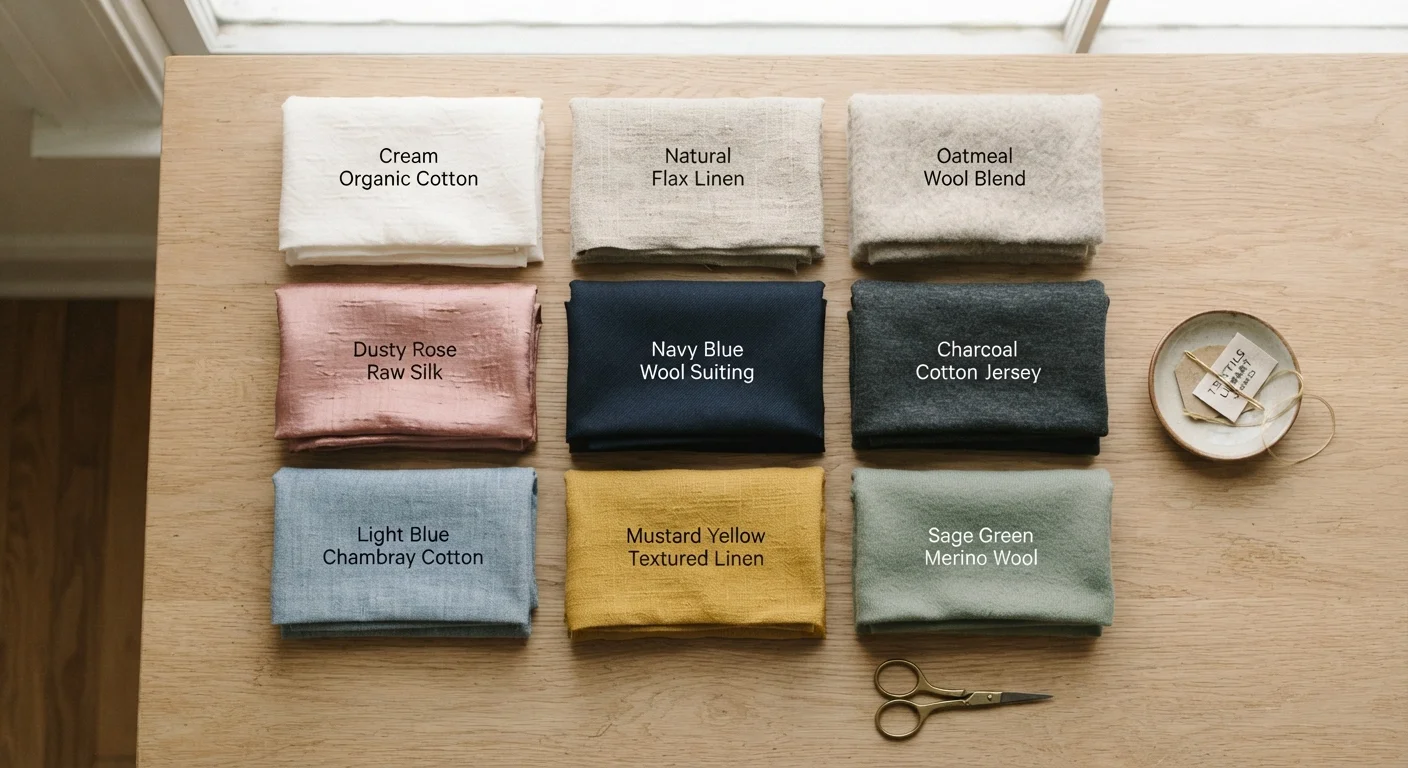
Photo credit: InGlimpse.com | Where Curiosity Finds Answers
In this article
Cotton, polyester, rayon, linen — learn what common fabric types feel like, how they wear, and what the care symbols on your labels actually mean.
Why Fabric Content Actually Matters
The fabric content tag sewn into a garment tells you more than washing instructions — it predicts how a piece will feel against your skin, how long it's likely to last, and how much effort it will take to maintain. Ignoring these labels is one of the most common reasons clothes shrink, pill, or fall apart faster than expected.
Fabric knowledge also helps you shop more intentionally. Rather than relying on vague marketing language like "soft" or "breathable," you can look directly at the fiber breakdown and draw your own conclusions. For a deeper look at how product descriptions can mislead, see how to read product descriptions critically.
| Most common fabric in U.S. apparel | Cotton and cotton blends (Textile Exchange, Preferred Fiber & Materials Report) |
| Care label requirement | Mandatory on most garments sold in the U.S. (U.S. Federal Trade Commission (FTC) Care Labeling Rule) |
| Standard care symbol system (U.S.) | ASTM International symbols (ASTM D5489 Standard Guide for Care Symbols) |
| Shrinkage risk | Highest in untreated cotton and wool washed in hot water |
| Fastest-drying fabric type | Polyester and nylon (synthetic fibers) |
| Most breathable natural fabric | Linen, followed by cotton |
Common Fabric Types and What to Expect From Them
Most everyday clothing is made from a handful of fiber types, each with distinct characteristics.
- Cotton — Breathable, soft, and absorbent. Natural cotton holds up well to regular washing but tends to shrink in high heat. It wrinkles easily and doesn't wick moisture away quickly, making it less ideal for intense exercise.
- Polyester — Synthetic fiber that resists wrinkles, holds color well, and dries fast. It's less breathable than natural fibers and can trap odors over time, but it's durable and typically affordable.
- Rayon (Viscose) — Semi-synthetic fiber made from wood pulp. It drapes beautifully and feels light, but it weakens when wet and often requires hand washing or dry cleaning. It's prone to shrinking and losing shape.
- Linen — Made from flax fibers, linen is exceptionally breathable and gets softer with wear. It wrinkles significantly and can feel stiff when new, but it's one of the most durable natural fabrics available.
- Wool — Naturally insulating and moisture-wicking. Wool regulates temperature well, resists odor, and doesn't need frequent washing. However, it can shrink or felt in hot water and requires gentle handling.
- Nylon & Spandex (Elastane) — Often blended into other fabrics to add stretch and durability. Spandex provides elasticity; nylon adds abrasion resistance. Both are common in activewear and fitted garments.
Natural fiber
A textile fiber derived directly from plants or animals, such as cotton (plant), linen (plant), wool (animal), or silk (animal). Natural fibers are generally breathable and biodegradable.
Synthetic fiber
A man-made fiber produced through chemical processes, such as polyester or nylon. Synthetics are often durable and wrinkle-resistant but less breathable than natural alternatives.
Semi-synthetic fiber
A fiber made by chemically processing a natural raw material. Rayon (viscose) is a common example — it starts as plant cellulose but undergoes significant chemical transformation.
Fabric blend
A textile made from two or more different fibers combined to achieve specific performance characteristics, such as a cotton-polyester blend that balances comfort and durability.
Pilling
The formation of small fiber balls on a fabric's surface caused by friction during wear or washing. It's more common in synthetic and loosely woven fabrics and generally indicates wear.
Elastane (Spandex)
A highly elastic synthetic fiber added to fabrics in small percentages to provide stretch and recovery. Known by the brand name Lycra in some contexts.
Most garments use blends — combinations of two or more fibers. A cotton-polyester blend, for example, offers cotton's breathability with polyester's wrinkle resistance and durability. Understanding each fiber's role in a blend helps you anticipate how a garment will perform overall. Fabric choice also intersects directly with fit — see how fit transforms the look of any garment for more context.
Decoding Care Label Symbols
U.S. clothing care labels use standardized symbols developed by ASTM International (formerly the American Society for Testing and Materials). Recognizing these symbols helps you avoid costly laundering mistakes.
U.S. Labels Must Use Symbols and Words
The FTC Care Labeling Rule requires that garments sold in the United States include care instructions in either written English or standardized symbols — or both. If a label uses symbols only, it must include a legend or reference to one. When a label is unclear, the garment manufacturer or retailer can often provide written care guidance.
- Washtub symbol
- Indicates machine or hand washing. A number inside the tub shows the maximum water temperature in Fahrenheit. A hand inside the tub means hand-wash only.
- Triangle
- Relates to bleaching. An empty triangle means any bleach is acceptable; two diagonal lines inside means only non-chlorine bleach; a crossed-out triangle means do not bleach.
- Square with circle inside
- Tumble drying instructions. Dots inside indicate heat level: one dot = low, two = medium, three = high. A crossed-out symbol means lay flat or hang dry.
- Iron symbol
- Shows whether ironing is safe and at what temperature. Dots indicate heat setting; a crossed-out iron means no ironing.
- Circle
- Dry cleaning instructions. A letter inside specifies solvent type for the dry cleaner. A crossed-out circle means do not dry clean.
When in doubt, the most conservative symbol on the label should guide your decision. Following care instructions closely is one of the simplest ways to extend garment life — for a fuller set of care habits, see washing and storage practices that extend clothing life.
Putting It Together When You Shop
Reading labels at the point of purchase — not just after you get home — is a practical habit that pays off. Before buying, check fabric content for comfort and durability alignment with how you plan to wear the piece. Check the care label to see whether the maintenance commitment fits your lifestyle. "Dry clean only" on a casual everyday shirt is worth factoring into cost and effort.
Fabric composition also informs conversations about clothing longevity and sustainability. Natural fibers like linen and wool tend to biodegrade more readily than synthetics, a point worth considering when thinking through the tradeoffs between fast and slow fashion. Similarly, fabric quality is one real signal — though not the only one — when evaluating what quality in clothing actually looks like.
60%+
Share of global fiber production that is synthetic
According to the Textile Exchange's Preferred Fiber & Materials Market Report, synthetic fibers — primarily polyester — account for the majority of fiber produced worldwide.
3–5 washes
Typical shrinkage window for untreated cotton
Most cotton garments that will shrink do so within the first few washes, particularly when exposed to high heat in the dryer.
No single fabric is universally superior. The right choice depends on your climate, activity level, care preferences, and how often you plan to wear a piece. Knowing what you're buying makes every garment decision more deliberate and more likely to serve you well.

Author
Style Editorial Team
Style Editorial Team is the collective byline for our editorial team and contributor network. Articles published under this byline or an editorial pen name are researched, written, and reviewed according to our editorial standards for clarity, consistency, and independence before publication.
View all articles →