
Reading Product Descriptions Without Getting Misled
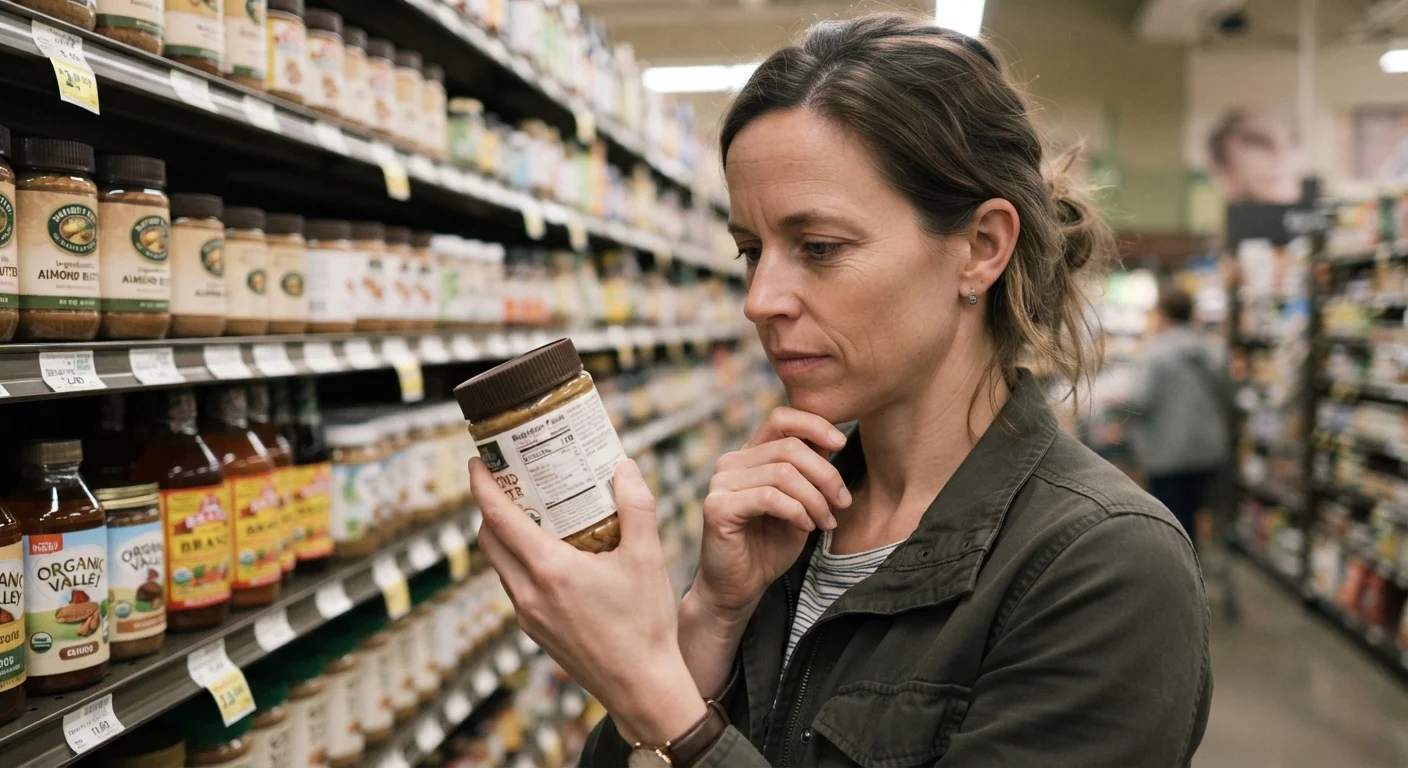
Photo credit: InGlimpse.com | Where Curiosity Finds Answers
In this article
Vague terms like 'premium,' 'natural,' and 'lightweight' rarely have legal definitions. Learn what to look for — and look past — in product copy.
Key Takeaways
- Words like 'premium,' 'natural,' and 'lightweight' have no legal definition and carry no enforceable meaning.
- Concrete specs — dimensions, materials, certifications — are more reliable than descriptive adjectives.
- Third-party certifications from recognized bodies carry more weight than manufacturer-made claims.
- Reading the returns policy before buying can reveal what a seller actually stands behind.
- Customer reviews are most useful when filtered by verified purchasers describing specific experiences.
Why Product Descriptions Are Written to Persuade
Product copy has one primary job: make you want to buy. That doesn't mean every description is dishonest, but it does mean the language is chosen for appeal, not precision. Understanding that dynamic is the first step to reading descriptions more clearly.
Terms like "premium," "artisan," "natural," "lightweight," and "eco-friendly" appear constantly in product listings. None of them have standardized legal definitions in most retail categories. A seller can call something "premium" based on nothing more than their own judgment — or their marketing team's preference. The same applies to vague quality claims like "professional-grade" or "heavy-duty."
This isn't unique to any one category. Clothing, food, home goods, and electronics all rely on the same shorthand. If you want to evaluate what you're actually getting, you need to move past the headline adjectives and look for verifiable details.
Some Categories Have Stronger Labeling Rules
Food, dietary supplements, textiles, and some household chemicals are subject to federal labeling requirements that cover specific information — such as ingredient lists, fiber content, or active ingredients. These regulated fields offer more reliable detail than the surrounding marketing copy. In categories like general home goods or electronics accessories, labeling rules are lighter, so more scrutiny is warranted.
What to Look For Instead of Marketing Language
Specificity is your best filter. A description that tells you a jacket is "warm and durable" tells you very little. One that tells you the outer shell is 100% nylon with a 10,000mm waterproof rating and a recycled polyester fill gives you something you can actually compare and verify.
Look for measurable specifications, not descriptive adjectives.
Adjectives like 'durable' or 'powerful' are subjective and unverifiable. Concrete numbers — thread count, wattage, weight capacity — can be compared across products and tested against reality.
Identify whether any certifications come from independent, named bodies.
Manufacturer self-certifications carry no external accountability. Independent certifications from established organizations are governed by documented standards and are generally auditable.
Check the full ingredient or material list, not just the front-of-pack claim.
Regulatory requirements govern what must appear on ingredient and material lists, while front-of-package marketing language is often far less restricted. The detailed list tells you what's actually present.
Compare the product description against negative reviews for accuracy gaps.
Negative reviews frequently describe the specific ways a product failed to match its listing. This makes them a practical tool for spotting overstated claims before purchase.
Treat superlatives as prompts to investigate, not reasons to trust.
'Best-in-class,' 'industry-leading,' and similar phrases are common in product copy but are rarely sourced or defined. They should prompt you to look for the underlying evidence.
For clothing and textiles, the fiber content label is legally required in the U.S. and is more reliable than any marketing headline. Our fabric guide explains what common fiber types actually feel like and how they hold up over time.
For packaged foods, marketing terms on the front of the package are largely unregulated, while the nutrition facts panel and ingredient list are federally mandated. Our piece on how "healthy" packaged foods can mislead walks through how front-of-pack claims often obscure what's inside.
How to Evaluate Certifications and Third-Party Claims
Not all certifications are equal. A seal that says "Certified Organic" from the USDA carries legal weight — it means the product met defined federal standards. A badge that says "tested for quality" or "trusted by professionals" with no named certifying body means almost nothing.
When you see a certification, ask: Who issued it? Is the certifying body independent from the manufacturer? Is the certification publicly searchable? Reputable programs like NSF International, UL (Underwriters Laboratories), or ENERGY STAR are searchable through their own databases, so you can verify a claim independently.
The same skepticism applies to awards and endorsements. "Award-winning" is a common phrase in product copy but rarely specifies who gave the award, when, or under what criteria.
Using Reviews, Specs, and Return Policies as Reality Checks
Customer reviews are imperfect but useful — especially when you read them strategically. Filter for verified purchasers. Look for reviews that mention specific use cases rather than general praise. Pay attention to one- and two-star reviews: they often describe the gap between what was promised and what arrived.
Spec sheets and technical documents, when available, give you harder data to work with. For electronics especially, a manufacturer's published spec sheet will list actual performance figures that the marketing copy might not emphasize.
Before you buy, check the return policy. A seller who stands behind their product typically offers a clear, reasonable return window. Vague or highly restricted return terms can be a signal that the product may not match its description. Our guide to how return policies work explains what retailers can and can't refuse.
Finally, consider whether the price makes the claims plausible. Marketing language often fills the gap where substance is thin. Our piece on store brands vs. name brands explores how to tell when a higher price reflects real differences — and when it reflects packaging alone.
~53%
Shoppers who research before buying online
A Pew Research Center survey found a majority of U.S. online shoppers read reviews and compare products before making a purchase decision.
1 in 3
Consumers misled by 'natural' food labels
Consumer Reports surveys have found that a substantial share of U.S. shoppers believe 'natural' on food packaging implies the absence of pesticides or GMOs — a standard the term does not actually require.

Author
Home Editorial Team
Home Editorial Team is the collective byline for our editorial team and contributor network. Articles published under this byline or an editorial pen name are researched, written, and reviewed according to our editorial standards for clarity, consistency, and independence before publication.
View all articles →