
Raw Diets for Pets: What the Research Actually Says
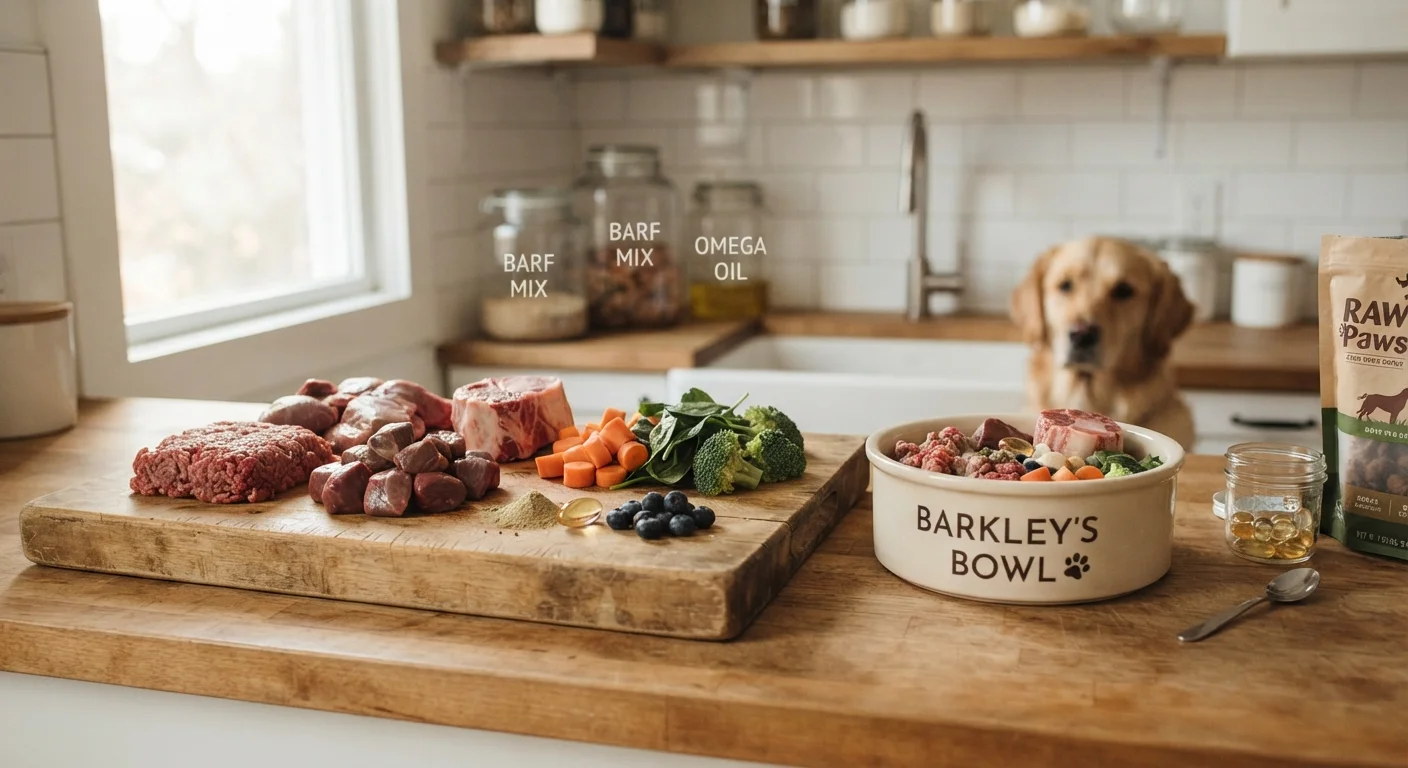
Photo credit: InGlimpse.com | Where Curiosity Finds Answers
In this article
Raw feeding is popular but polarizing. We break down the proposed benefits, documented risks, and what veterinary bodies currently recommend.
Key Takeaways
- Raw diets for pets remain controversial, with major veterinary organizations citing pathogen risks as a primary concern.
- Proponents point to potential benefits like improved coat condition and palatability, but robust clinical evidence is limited.
- Nutritional imbalances are common in homemade raw diets unless carefully formulated by a veterinary nutritionist.
- Bacterial contamination — including Salmonella and E. coli — poses risks to both pets and the humans handling raw food.
- Any diet change should be discussed with a licensed veterinarian before implementation.
Higher moisture content supports hydration
Raw meat contains significantly more water than dry kibble, which may benefit urinary tract health — particularly in cats, who often have low thirst drives and are prone to urinary issues.
High-quality animal protein in its natural form
Raw diets are typically rich in animal protein with minimal plant-based fillers, which aligns with cats' obligate carnivore requirements and dogs' strong protein needs.
Improved palatability for picky eaters
Many pet owners report their animals show greater enthusiasm for raw food; the texture and scent profile of fresh meat tends to be highly appealing to both dogs and cats.
Potential coat and skin improvements
Some owners report shinier coats after switching, which proponents attribute to higher fat content and the absence of certain processing byproducts; however, well-controlled studies are limited.
Avoidance of certain processing additives
Raw diets skip the high-heat processing used in dry kibble production, which some researchers suggest may reduce certain chemical byproducts, though their clinical significance for pets is debated.
Pathogen risk to pets and humans
Raw meat frequently harbors bacteria such as Salmonella, Listeria, and E. coli. Studies have detected these pathogens in commercially sold raw pet foods, and infected pets can shed bacteria in their feces, creating household transmission risk.
Nutritional imbalances are common
Most homemade raw diet formulations reviewed in published research fail to meet AAFCO nutritional standards, risking deficiencies in calcium, phosphorus, vitamin D, and other critical nutrients over time.
Bone fragments pose injury hazards
Raw meaty bones can fracture teeth or splinter, causing esophageal, gastric, or intestinal injuries — a risk acknowledged even by some raw feeding proponents who distinguish between appropriate and inappropriate bone types.
Significant preparation and handling burden
Safe raw feeding requires consistent refrigeration, dedicated preparation surfaces, and meticulous hygiene practices, creating a meaningful time and effort commitment for owners.
Higher cost compared to conventional diets
Quality raw diets — whether commercial or homemade — are generally more expensive per serving than nutritionally complete dry or wet commercial foods.
Not appropriate for all households
Households with immunocompromised individuals, infants, elderly people, or other high-risk family members face elevated exposure risk and are specifically cautioned against raw pet food by public health authorities.
What Is a Raw Diet for Pets?
Raw pet diets — sometimes called BARF (Biologically Appropriate Raw Food or Bones and Raw Food) diets — consist of uncooked animal muscle meat, organ meat, raw meaty bones, and sometimes fruits, vegetables, eggs, or dairy. Commercially prepared raw diets (fresh-frozen or freeze-dried) are also widely available alongside homemade versions.
The concept is built on the premise that domesticated dogs and cats evolved from wild ancestors who ate prey animals without cooking. Supporters argue this evolutionary basis justifies feeding pets unprocessed animal protein. Veterinary and public health bodies, however, evaluate diets on documented safety and nutritional outcomes rather than ancestry alone. For a broader grounding in how pets actually use nutrients, see our introduction to pet nutrition.
Proposed Benefits: What Advocates Claim
Many raw-feeding advocates report improvements in their pets after switching — shinier coats, firmer stools, higher energy, and better dental health. Some of these observations are plausible given the higher moisture and protein density of raw diets, but most published evidence is limited to small studies, owner-reported outcomes, or extrapolation from related research.
Higher moisture content supports hydration
Raw meat contains significantly more water than dry kibble, which may benefit urinary tract health — particularly in cats, who often have low thirst drives and are prone to urinary issues.
High-quality animal protein in its natural form
Raw diets are typically rich in animal protein with minimal plant-based fillers, which aligns with cats' obligate carnivore requirements and dogs' strong protein needs.
Improved palatability for picky eaters
Many pet owners report their animals show greater enthusiasm for raw food; the texture and scent profile of fresh meat tends to be highly appealing to both dogs and cats.
Potential coat and skin improvements
Some owners report shinier coats after switching, which proponents attribute to higher fat content and the absence of certain processing byproducts; however, well-controlled studies are limited.
Avoidance of certain processing additives
Raw diets skip the high-heat processing used in dry kibble production, which some researchers suggest may reduce certain chemical byproducts, though their clinical significance for pets is debated.
It's worth noting that improvements owners observe after switching diets can reflect multiple variables — including the reduction of low-quality filler ingredients in a previous diet, not the raw format itself. Understanding what's actually in any commercial food is a useful first step; our guide on reading pet food labels explains ingredient lists and nutritional statements in plain terms.
Documented Risks: What the Research Shows
This is where the evidence is considerably more consistent. Multiple peer-reviewed studies and position statements from organizations including the American Veterinary Medical Association (AVMA) and the American Animal Hospital Association (AAHA) have identified significant concerns with raw pet food.
Pathogen risk to pets and humans
Raw meat frequently harbors bacteria such as Salmonella, Listeria, and E. coli. Studies have detected these pathogens in commercially sold raw pet foods, and infected pets can shed bacteria in their feces, creating household transmission risk.
Nutritional imbalances are common
Most homemade raw diet formulations reviewed in published research fail to meet AAFCO nutritional standards, risking deficiencies in calcium, phosphorus, vitamin D, and other critical nutrients over time.
Bone fragments pose injury hazards
Raw meaty bones can fracture teeth or splinter, causing esophageal, gastric, or intestinal injuries — a risk acknowledged even by some raw feeding proponents who distinguish between appropriate and inappropriate bone types.
Significant preparation and handling burden
Safe raw feeding requires consistent refrigeration, dedicated preparation surfaces, and meticulous hygiene practices, creating a meaningful time and effort commitment for owners.
Higher cost compared to conventional diets
Quality raw diets — whether commercial or homemade — are generally more expensive per serving than nutritionally complete dry or wet commercial foods.
Not appropriate for all households
Households with immunocompromised individuals, infants, elderly people, or other high-risk family members face elevated exposure risk and are specifically cautioned against raw pet food by public health authorities.
A Note on Commercial Raw vs. Homemade
Commercial raw diets and homemade raw diets are not equivalent in risk or nutritional profile. Some commercial raw products are formulated to meet AAFCO standards and undergo high-pressure processing (HPP) to reduce pathogen loads. Homemade diets, by contrast, are highly variable and are rarely formulated with professional guidance. If raw feeding is being considered, a board-certified veterinary nutritionist can help evaluate whether a specific commercial product meets your pet's individual needs.
Nutritional imbalance is a particular concern with homemade raw diets. A frequently cited study published in the Journal of Nutritional Science found that the majority of homemade raw diet recipes reviewed failed to meet established nutritional guidelines for dogs. Commercial raw diets vary widely in formulation quality, and not all carry third-party nutritional verification.
Raw diets also warrant comparison against alternatives. If you're weighing raw against conventional options, our breakdown of dry kibble vs. wet food outlines what processed formats offer nutritionally.
What Veterinary Bodies Currently Recommend
The AVMA, AAHA, and the World Small Animal Veterinary Association (WSAVA) all advise against raw protein diets, primarily on the grounds of pathogen risk to pets and humans. The U.S. Food and Drug Administration (FDA) has also issued guidance recommending against raw pet food, particularly for animals living with immunocompromised individuals.
74%
Homemade raw recipes failing nutritional guidelines
A review published in the Journal of Nutritional Science found approximately 74% of homemade raw diet recipes for dogs did not meet established minimum nutrient requirements.
~21%
Commercial raw foods testing positive for pathogens
FDA surveillance testing has found Salmonella or Listeria monocytogenes in approximately one in five raw pet food samples tested across multiple sampling cycles.
This consensus does not mean veterinarians dismiss the underlying goal of feeding pets high-quality, species-appropriate nutrition. Rather, they argue that goal can be achieved through nutritionally complete commercial diets or carefully formulated cooked homemade diets without the same contamination risks. Before making any switch, our checklist for evaluating any pet food offers a structured way to assess your options.
It's also worth separating myth from evidence — several persistent beliefs about raw feeding have been addressed in our piece on common pet nutrition myths.
This article provides general educational information about pet nutrition and is not a substitute for personalized veterinary advice. Always consult a licensed veterinarian or board-certified veterinary nutritionist before making significant changes to your pet's diet.

Author
Pets Editorial Team
Pets Editorial Team is the collective byline for our editorial team and contributor network. Articles published under this byline or an editorial pen name are researched, written, and reviewed according to our editorial standards for clarity, consistency, and independence before publication.
View all articles →