
Pet Nutrition From the Ground Up: What Every Owner Should Understand
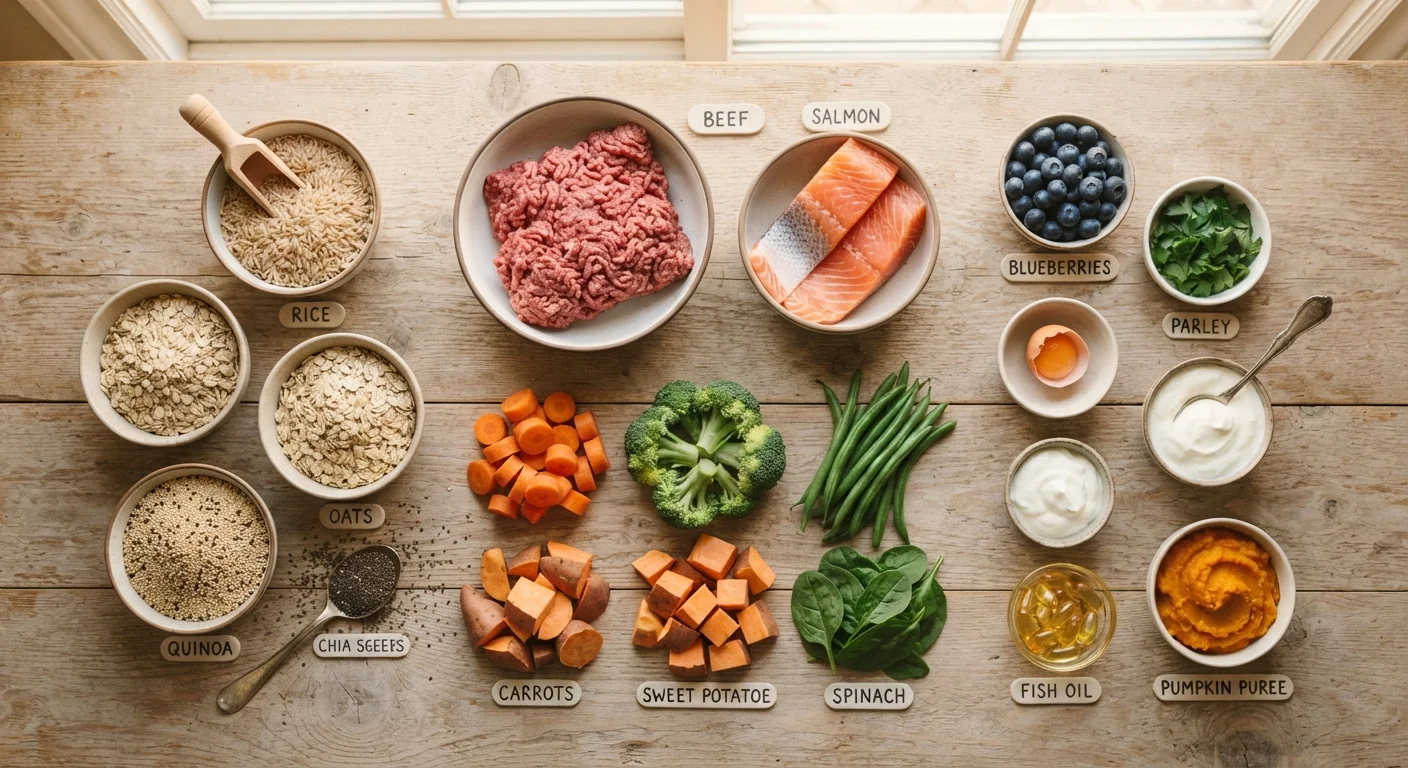
Photo credit: InGlimpse.com | Where Curiosity Finds Answers
In this article
A thorough introduction to pet nutrition — macronutrients, life stages, and how to read a pet food label with confidence.
Key Takeaways
- Dogs and cats have distinct nutritional requirements — what works for one species rarely translates to the other.
- Protein is the most critical macronutrient for most companion animals, supporting muscle, immunity, and organ function.
- Life stage — puppy, adult, senior — significantly changes what and how much your pet needs to eat.
- The AAFCO nutritional adequacy statement on a pet food label is one of the most important things to check.
- Consulting a veterinarian is the most reliable way to tailor a diet to your individual pet's needs.
Why Pet Nutrition Matters More Than You Might Think
Most pet owners focus on keeping their animals active, loved, and up to date on vaccinations — but diet is arguably the single most influential factor in a pet's long-term health. What your dog or cat eats every day shapes their weight, coat condition, energy levels, immune function, and susceptibility to chronic disease.
Unlike human nutrition — where individual flexibility and variety can compensate for occasional gaps — pets depend almost entirely on their bowl for every nutrient they need. A diet that is even marginally deficient or unbalanced over months and years can lead to visible health consequences. This makes foundational nutritional literacy a genuine act of care for every pet owner.
This guide covers the core concepts — macronutrients, micronutrients, life stage needs, and label reading — so you can approach your pet's diet with confidence. For a broader look at how nutrition concepts apply across species, the Nutrition Basics hub offers useful parallel context.
Dogs and Cats Are Not the Same
A common mistake is assuming dogs and cats have similar nutritional needs. They do not. Cats require specific nutrients — taurine, arachidonic acid, preformed vitamin A — that dogs can synthesize from precursors. Always choose food formulated for your pet's specific species, not just their size or activity level.
The Core Macronutrients: Protein, Fat, and Carbohydrates
Macronutrients are the nutrients animals need in the largest quantities. For dogs and cats, these are protein, fat, and carbohydrates — though the relative importance of each differs between species.
Protein
Protein is the foundation of a carnivore's diet. It provides the amino acids necessary for building muscle, supporting the immune system, producing enzymes and hormones, and repairing tissue. Cats are obligate carnivores and have a higher baseline protein requirement than dogs. Key amino acids like taurine (critical for heart and eye function in cats) and arginine must be present in adequate amounts — cats cannot synthesize sufficient taurine on their own.
Fat
Dietary fat is a concentrated energy source and carries fat-soluble vitamins (A, D, E, and K). Omega-3 and omega-6 fatty acids support skin and coat health, reduce inflammation, and play a role in brain development. The ratio of these fatty acids matters, not just their total quantity.
Carbohydrates
Dogs can digest and utilize carbohydrates reasonably well. Cats have a more limited metabolic capacity for carbohydrates and do not have a strict dietary requirement for them — their glucose needs are typically met through gluconeogenesis from protein. This is one reason why high-carbohydrate diets are generally less appropriate for cats than for dogs.
Matching Protein Sources to Your Pet's Needs
Not all protein sources are equally digestible. Animal-based proteins such as chicken, turkey, fish, and eggs generally have higher biological value for dogs and cats than plant-derived proteins like soy or pea protein. When evaluating a food, look at both the protein percentage and the protein source named in the ingredient list.
Micronutrients, Vitamins, and Minerals in Pet Diets
Beyond macronutrients, pets require a precise array of vitamins and minerals to function properly. These include fat-soluble vitamins (A, D, E, K), water-soluble B vitamins, and minerals such as calcium, phosphorus, zinc, and iron.
Calcium and phosphorus are especially important — and their ratio to each other is as significant as their absolute levels. An imbalance, common in homemade diets built primarily around meat, can impair bone development, particularly in growing animals.
Unlike human nutrition — where deficiencies are often corrected through a varied diet — pets eating the same food daily rely on that food to deliver every micronutrient in the right amount. This is why nutritionally complete, commercially formulated foods carry a built-in advantage over many homemade preparations. If you're curious how micronutrient concepts apply to human diets for comparison, see Micronutrients at a Glance.
Obligate carnivore
An animal that must consume animal-based foods to meet its nutritional needs — cats are a classic example, as they cannot synthesize certain essential nutrients from plant sources.
Taurine
An amino acid essential for cats' heart and eye health. Unlike dogs, cats cannot produce enough taurine on their own and must get it directly from their diet.
AAFCO
The Association of American Feed Control Officials — a voluntary membership organization that sets nutritional standards and labeling guidelines for pet food in the U.S.
Guaranteed analysis
A section on pet food labels that lists minimum or maximum percentages of key nutrients like protein, fat, fiber, and moisture.
Gluconeogenesis
A metabolic process by which the body produces glucose from non-carbohydrate sources such as protein — important for cats, who rely on it more than dogs.
Ingredient splitting
A labeling practice where a single ingredient is broken into multiple forms and listed separately, making each appear lower on the ingredient list than it would be combined.
How Nutritional Needs Change Across Life Stages
A pet's dietary requirements are not static. They shift meaningfully at each phase of life, and feeding the wrong formulation — even a high-quality one — can create nutritional gaps or excesses.
- Puppies and kittens are growing rapidly and need higher levels of protein, fat, calcium, and phosphorus than adults. Foods labeled for 'growth' or 'all life stages' meet these elevated demands.
- Adult pets require a maintenance diet calibrated to sustain healthy weight and organ function without excessive caloric density.
- Senior pets often benefit from adjusted protein levels, reduced phosphorus (to support kidney health), and added joint-supporting nutrients — though the right approach depends on the individual animal and any concurrent health conditions.
- Pregnant and nursing animals have dramatically increased caloric and nutrient needs, often best met with a growth-formula food under veterinary supervision.
For a more detailed breakdown of how diet should evolve from puppyhood through the senior years, see Feeding Your Pet Through Every Life Stage.
Decoding the Pet Food Label
Pet food labels in the U.S. are regulated by both the FDA and individual state feed-control officials who generally follow guidelines set by the Association of American Feed Control Officials (AAFCO). Knowing what to look for turns a confusing label into a useful tool.
The AAFCO Nutritional Adequacy Statement
This is the single most important line on the label. It states which life stage the food is formulated for and whether it was tested via feeding trials or formulated to meet a nutrient profile. Both are acceptable — feeding trial evidence is considered more robust, but formulated foods can still be nutritionally sound.
The Guaranteed Analysis
This section lists minimum percentages of crude protein and fat, and maximum percentages of moisture and crude fiber. It does not tell you about ingredient quality — just quantity. Two foods with identical guaranteed analyses can differ substantially in digestibility and ingredient sourcing.
The Ingredient List
Ingredients are listed in descending order by weight before processing. A named meat source (e.g., 'chicken' or 'salmon') appearing first is generally a positive sign. Be aware that ingredient splitting — listing multiple forms of a single ingredient separately to push them lower on the list — is a common tactic worth understanding. For a deeper walkthrough of label reading, see Reading the Label: What's Actually in Your Pet's Food and Reading a Pet Food Ingredient List Without Getting Lost.
This article is for general informational and educational purposes only and does not constitute veterinary or medical advice. Always consult a licensed veterinarian for guidance specific to your pet's health and dietary needs.
Frequently Asked Questions

Author
Pets Editorial Team
Pets Editorial Team is the collective byline for our editorial team and contributor network. Articles published under this byline or an editorial pen name are researched, written, and reviewed according to our editorial standards for clarity, consistency, and independence before publication.
View all articles →