
Common Pet Nutrition Myths That Vets Wish Would Disappear
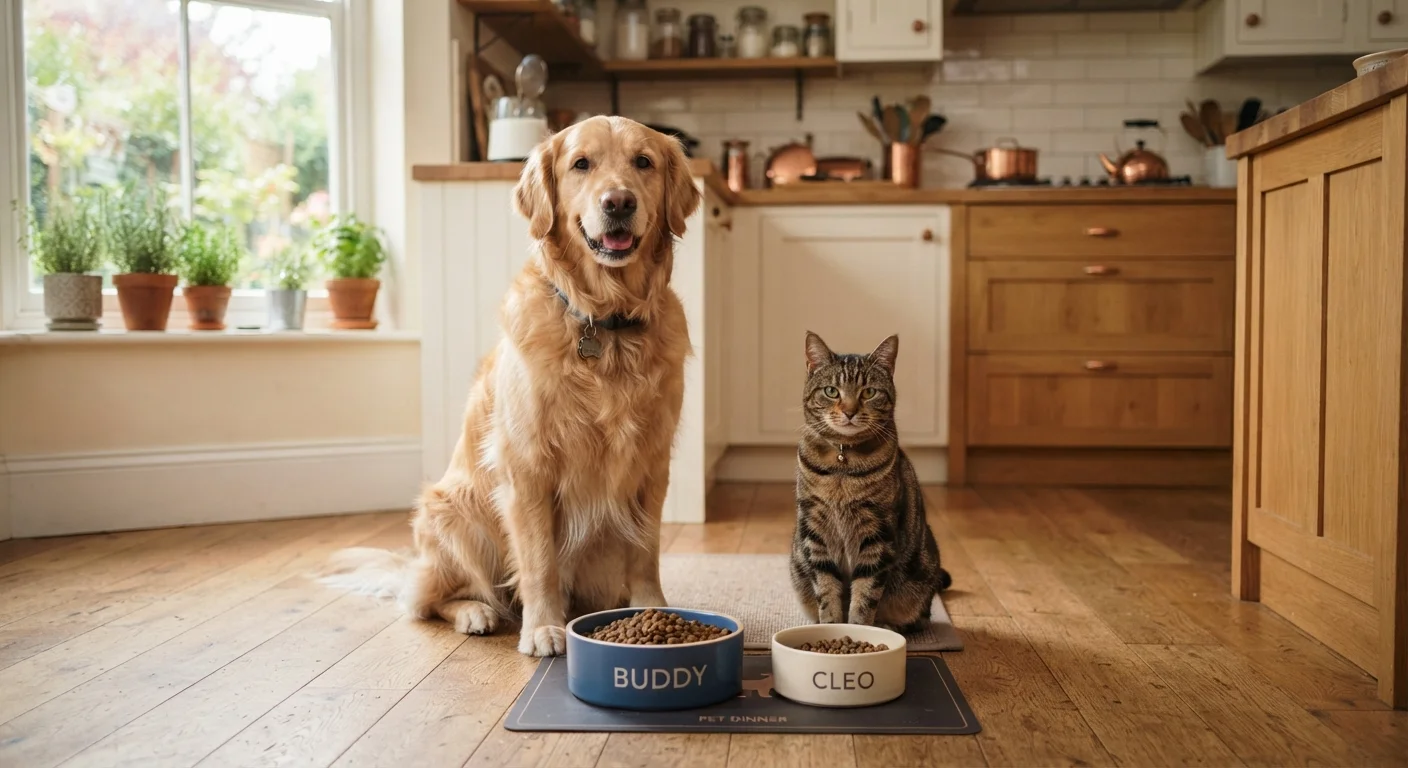
Photo credit: InGlimpse.com | Where Curiosity Finds Answers
In this article
Grain-free is healthier, dogs need a raw diet, cats can thrive on dog food — we separate persistent myths from evidence-based nutrition facts.
Key Takeaways
- Grain-free diets are not inherently healthier and have been linked to cardiac concerns in some dogs.
- Cats are obligate carnivores with specific nutrient needs that dog food cannot meet.
- Raw diets carry real food safety risks for pets and the humans who handle them.
- Homemade diets are often nutritionally incomplete without professional formulation.
- A pet's ideal diet depends on species, age, health status, and individual factors — not marketing trends.
Why Pet Nutrition Myths Spread So Easily
Pet owners want the best for their animals, which makes them understandably receptive to nutrition claims that promise better health, more energy, or a longer life. Unfortunately, the pet food industry is also a marketplace where marketing language — "ancestral," "biologically appropriate," "holistic" — can sound compelling without reflecting scientific consensus.
Social media, breeder forums, and well-meaning friends often reinforce myths that veterinary professionals spend considerable time correcting. Understanding where these misconceptions come from is the first step toward cutting through the noise. For a foundational overview of what your pet actually needs, our introduction to pet nutrition is a strong starting point.
Myth
Grain-free pet food is healthier and better for all dogs.
Fact
Grains are not harmful to most dogs, and grain-free diets have been associated with a potential link to dilated cardiomyopathy (DCM) in some breeds.
The popularity of grain-free pet food grew largely out of human dietary trends, not veterinary science. Most dogs digest grains well, and ingredients like rice, oats, and barley can provide useful fiber, energy, and nutrients. The U.S. Food and Drug Administration launched an investigation into a possible association between grain-free diets — particularly those high in legumes and potatoes — and DCM, a serious heart condition. While the science is still evolving, the concern is significant enough that many veterinary cardiologists recommend caution. For a deeper look at this ongoing debate, see our breakdown of the DCM debate.
Myth
Cats can eat dog food regularly without any health consequences.
Fact
Cats are obligate carnivores with unique nutritional requirements that dog food is not formulated to meet, making long-term feeding of dog food genuinely harmful.
Dogs and cats have fundamentally different metabolisms. Cats require preformed taurine, arachidonic acid, and vitamin A in their diet because — unlike dogs — they cannot synthesize adequate amounts from precursors. Dog food is formulated for canine physiology and typically lacks sufficient levels of these nutrients. Chronic taurine deficiency in cats can lead to serious cardiac and eye problems. Learn why species-specific diets matter before sharing mealtimes between your pets.
Myth
A raw meat diet is the most natural and nutritious option for dogs.
Fact
Raw diets carry documented food safety risks and are often nutritionally unbalanced without careful, professional formulation.
The appeal of raw feeding is understandable — it evokes how wild ancestors ate. But domestic dogs are not wolves, and the comparison has real limitations. Raw meat, bones, and organs can harbor dangerous pathogens, and home-prepared raw diets frequently miss critical nutrients. See what the research actually says about raw diets before committing to this approach.
Myth
Homemade pet food is always a healthier alternative to commercial diets.
Fact
Homemade diets are frequently deficient in essential nutrients, including calcium, taurine, and zinc, unless professionally formulated.
Owners who prepare home-cooked meals for their pets often do so with genuine care, but good intentions don't guarantee complete nutrition. Studies analyzing owner-developed homemade pet food recipes have found that the majority are missing key micronutrients. Calcium deficiencies, in particular, can cause serious skeletal problems over time. If you're considering a homemade diet, a board-certified veterinary nutritionist can create a balanced recipe tailored to your pet. Our companion article covers nutrients commonly missing from homemade pet diets in detail.
Myth
A single diet is fine for a pet throughout its entire life.
Fact
Nutritional needs change significantly at different life stages — puppies, adults, and seniors each require different nutrient profiles.
Life-stage nutrition isn't a marketing concept — it reflects genuine physiological differences. Puppies and kittens need elevated protein and specific minerals to support rapid growth, while senior pets may benefit from adjusted calorie levels and joint-supporting nutrients. Feeding a one-size-fits-all diet across a pet's entire lifespan can lead to deficiencies or excesses that affect long-term health. Explore how nutritional needs shift from puppyhood to senior years to make more informed choices.
What Evidence-Based Feeding Actually Looks Like
Sound pet nutrition doesn't require expensive specialty diets or complicated homemade recipes. It means choosing foods that meet established nutrient profiles — such as those outlined by the Association of American Feed Control Officials (AAFCO) — and adjusting for your pet's specific life stage, health status, and size.
90%+
Homemade pet recipes found nutritionally deficient
Research published in veterinary nutrition journals has found that the vast majority of owner-formulated homemade pet food recipes fail to meet established nutrient guidelines.
~25%
U.S. pet food market share held by grain-free products
Grain-free pet food grew rapidly in popularity over the past decade, driven largely by consumer trends rather than veterinary recommendations.
Weight management is another area where myths abound. Owners often underestimate the caloric contribution of treats, table scraps, and multiple feedings. Overfeeding is only part of the story behind pet weight gain — breed, spay/neuter status, and activity level all play roles. If you're considering switching your pet's food for any reason, a gradual transition reduces the risk of digestive upset; learn the evidence-backed steps for a smooth dietary transition.
Always Consult Your Veterinarian First
This article provides general educational information about pet nutrition and is not a substitute for professional veterinary advice. Nutritional needs vary significantly between individual animals based on age, breed, health status, and other factors. Before making any significant changes to your pet's diet, consult a licensed veterinarian or board-certified veterinary nutritionist.
Raw Diets Pose Real Safety Risks
Major veterinary organizations, including the American Veterinary Medical Association, advise against raw meat diets for pets due to contamination risks from pathogens like Salmonella and Listeria. These bacteria can sicken both pets and the people who handle the food. Immunocompromised individuals, children, and the elderly face the highest risk of illness from household exposure.
This article is for general informational and educational purposes only and does not constitute veterinary or medical advice. Always consult a licensed veterinarian regarding your pet's specific health and nutritional needs.

Author
Pets Editorial Team
Pets Editorial Team is the collective byline for our editorial team and contributor network. Articles published under this byline or an editorial pen name are researched, written, and reviewed according to our editorial standards for clarity, consistency, and independence before publication.
View all articles →