
Why Pets Gain Weight — And the Factors Owners Often Overlook
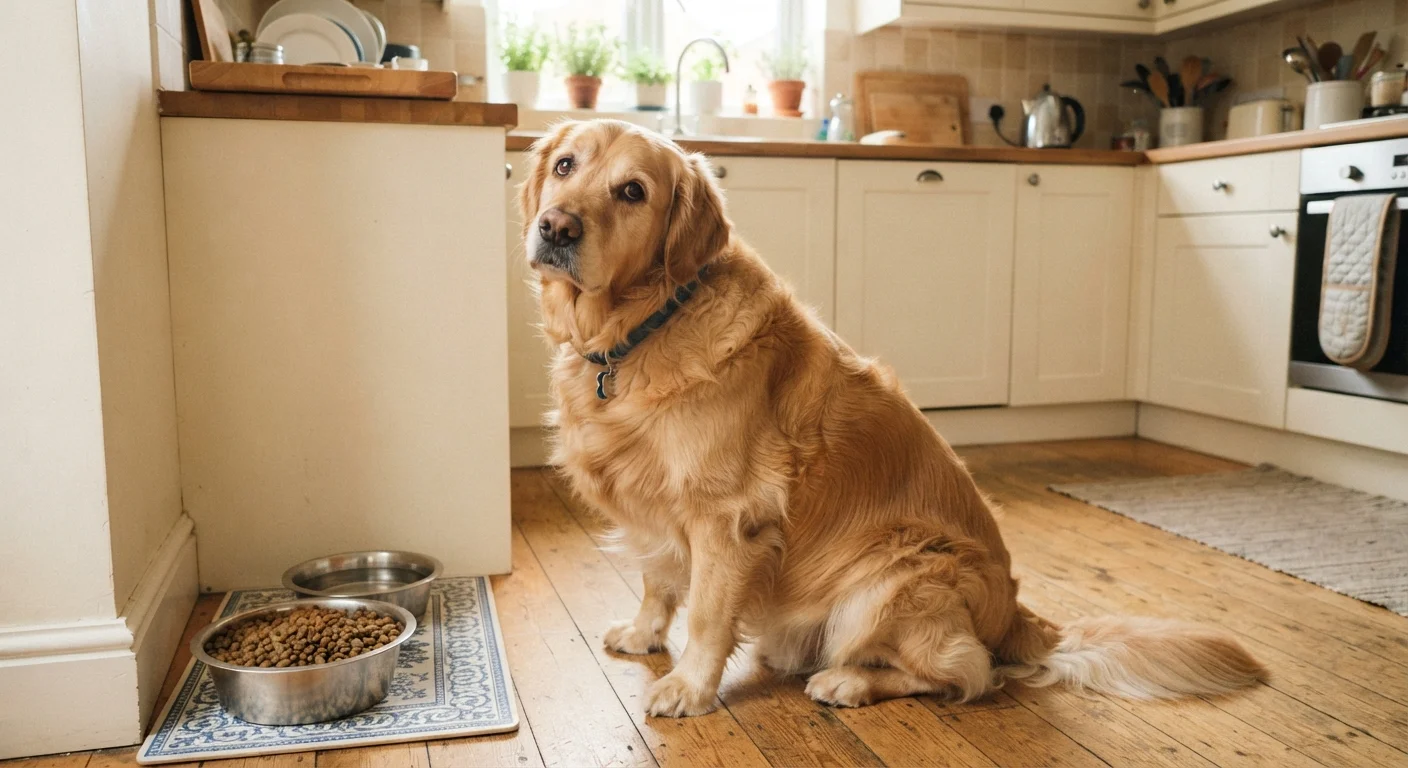
Photo credit: InGlimpse.com | Where Curiosity Finds Answers
In this article
Overfeeding is only part of the story. Spay/neuter status, breed, treats, and activity levels all play a role in pet weight management.
Key Takeaways
- Overfeeding is the most common driver of pet weight gain, but it is rarely the only cause.
- Spaying and neutering can lower a pet's metabolic rate, increasing weight gain risk if diet stays unchanged.
- Treats and table scraps often add significant hidden calories that owners underestimate.
- Breed, age, and underlying health conditions meaningfully influence how a pet processes food.
- Regular weigh-ins and veterinary body condition scoring are more reliable than visual assessment alone.
Why Pet Obesity Is a Bigger Problem Than It Looks
According to the Association for Pet Obesity Prevention, more than half of dogs and cats in the United States are classified as overweight or obese by their veterinarians. Excess weight in pets is linked to a range of serious health issues — including diabetes, joint disease, heart problems, and shortened lifespan — making it one of the most consequential issues in companion animal health today.
Yet many owners are genuinely surprised when a vet raises the topic. Because weight gain in pets tends to be gradual, it often goes unnoticed until the problem is significant. Understanding what actually drives weight gain — beyond simply "eating too much" — is the first step toward meaningful prevention. For a broader foundation, see our guide to pet nutrition basics.
Relying solely on package feeding guidelines without adjusting for the individual pet.
Why it happens: Labels display amounts based on average, unaltered adult animals at moderate activity — a profile that doesn't match most household pets.
Underestimating how many calories come from treats and table scraps.
Why it happens: Individual treats seem small and harmless, so owners rarely track them — but daily treats can easily represent 20–30% of a small pet's total calorie intake.
Not adjusting food intake after spaying or neutering.
Why it happens: Owners are rarely warned about the metabolic change at the time of surgery, and the food routine that worked before the procedure continues unchanged.
Assuming a pet looks healthy without checking body condition systematically.
Why it happens: Owners see their pets daily, making gradual changes easy to miss. Dense or fluffy coats can also conceal weight gain effectively.
Ignoring breed-specific and age-related predispositions to weight gain.
Why it happens: Owners often apply the same general feeding and exercise approach regardless of the animal's genetic makeup or life stage.
The Hidden Factors Owners Frequently Miss
Caloric intake is the most obvious lever, but it operates alongside biology, routine, and environment. Spaying and neutering, for example, can reduce a pet's resting metabolic rate — meaning a formerly active animal may require noticeably fewer calories after the procedure without any other change in lifestyle. If the food bowl stays the same size, weight gain can follow quickly. Our article on spay and neuter myths versus veterinary consensus explains this metabolic shift in detail.
Breed and age are equally important variables. Labrador Retrievers carry a genetic variant linked to increased hunger signaling; senior pets of all breeds typically need fewer calories as activity and lean muscle mass decline. Certain medical conditions — including hypothyroidism in dogs and hyperadrenocorticism (Cushing's disease) — can also cause unexplained weight gain and are worth discussing with a veterinarian if diet changes alone don't produce results.
59%
U.S. dogs classified as overweight or obese
The Association for Pet Obesity Prevention estimates that approximately 59% of dogs seen by veterinarians in the U.S. are overweight or obese.
61%
U.S. cats classified as overweight or obese
The same APOP data indicates that roughly 61% of cats in the U.S. are assessed as overweight or obese during veterinary visits.
Building a Smarter Approach to Pet Weight Management
Practical weight management starts with accurate measurement. Ask your veterinarian to assign a body condition score (BCS) — a standardized 1–9 scale used to assess fat coverage over ribs, spine, and waist — rather than relying on visual judgment alone. Weigh your pet on the same scale at regular intervals and log the results. Small upward trends caught early are far easier to address than established obesity.
Feeding guidelines on pet food packaging are calculated for the average unaltered adult pet at moderate activity — they are a starting point, not a prescription. Your vet can help you calculate a more precise daily caloric target based on your individual animal. For owners preparing home-cooked meals, be aware that nutritional gaps are common; our overview of frequently overlooked nutrients in homemade pet diets is a useful companion read. Enrichment and structured exercise — appropriate to the animal's age and physical condition — remain among the most effective non-dietary tools available to owners.
Sudden Weight Gain May Signal a Medical Issue
If your pet gains weight rapidly despite no change in diet or activity, consult a veterinarian promptly. Conditions such as hypothyroidism in dogs or fluid retention from heart or kidney disease can mimic dietary weight gain. A physical exam and basic bloodwork can help rule out underlying causes before any dietary plan is initiated.
This article provides general educational information about pet health and is not a substitute for personalized veterinary advice. Always consult a licensed veterinarian before making significant changes to your pet's diet or exercise routine.

Author
Pets Editorial Team
Pets Editorial Team is the collective byline for our editorial team and contributor network. Articles published under this byline or an editorial pen name are researched, written, and reviewed according to our editorial standards for clarity, consistency, and independence before publication.
View all articles →