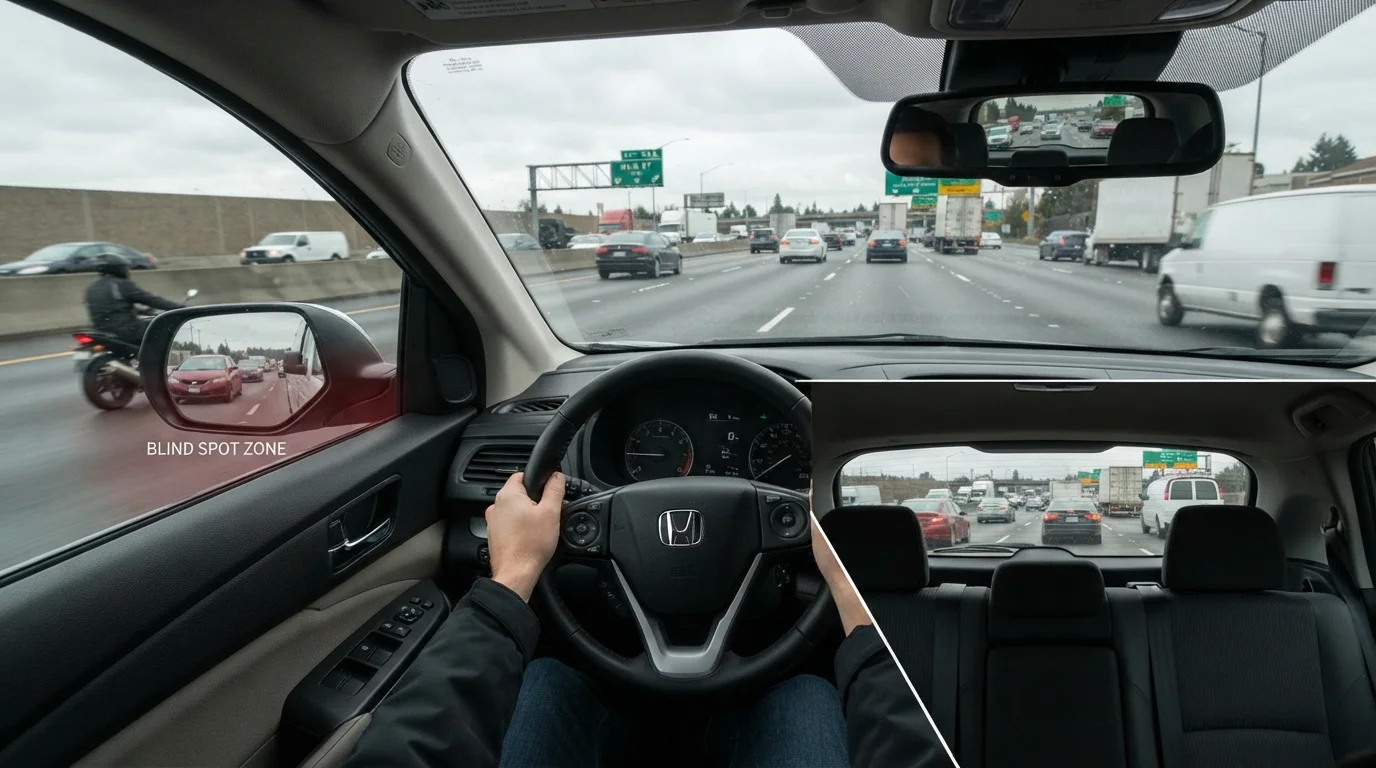
What Drowsy Driving Really Does to Your Reaction Time
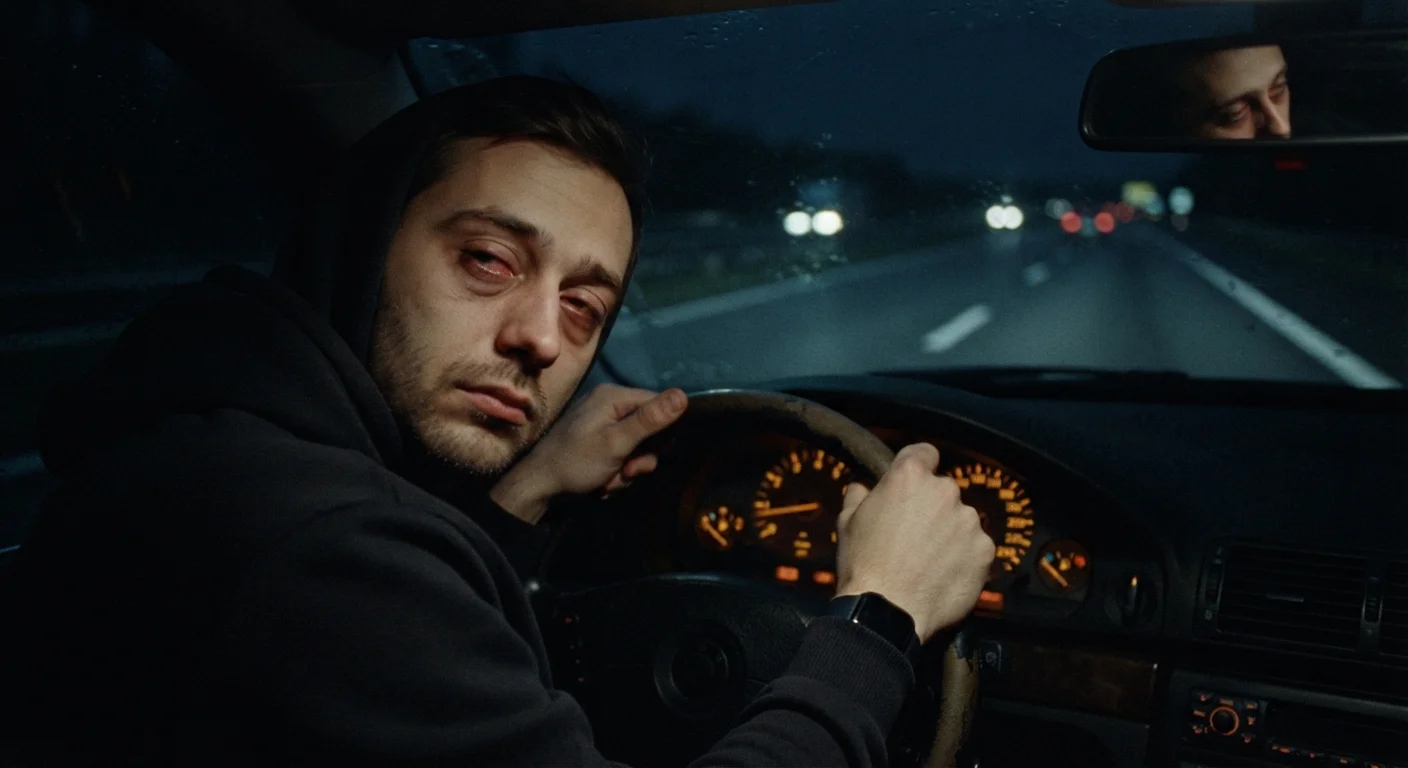
Photo credit: InGlimpse.com | Where Curiosity Finds Answers
In this article
Sleep deprivation impairs driving ability in ways that closely mirror alcohol. Learn the warning signs and when to stop driving.
Key Takeaways
- 18 hours without sleep impairs driving ability similarly to a 0.05% blood alcohol level.
- Microsleeps — brief unconscious lapses — can last up to 30 seconds without the driver realizing it.
- The most dangerous window for drowsy driving is between midnight and 6 a.m., and mid-afternoon.
- Caffeine and opening the window are not reliable substitutes for stopping and resting.
- Warning signs include drifting between lanes, missing exits, and difficulty keeping your eyes open.
- The only effective remedy for drowsy driving is sleep — pulling over safely when needed.
Why Tired Drivers Are Genuinely Dangerous
Most drivers have felt it: heavy eyelids on a long stretch of interstate, a moment of blankness at a red light, or the unsettling experience of not remembering the last few miles. These aren't minor inconveniences — they're warning signs that your brain is no longer fully engaged in the task of driving.
Drowsy driving kills thousands of Americans each year, according to the National Highway Traffic Safety Administration (NHTSA). The challenge is that sleep deprivation distorts self-assessment — tired drivers consistently overestimate how alert they are, which is part of what makes fatigue so hazardous behind the wheel.
Unlike distracted driving, where a lapse is triggered by an external source, drowsiness impairs the brain continuously. You don't have to glance at a phone to be compromised — you simply have to be exhausted.
~6,400
Drowsy driving fatalities estimated annually in the U.S.
According to NHTSA estimates, drowsy driving contributes to thousands of traffic deaths each year, though the figure is considered an undercount due to reporting limitations.
2x
Crash risk increase from getting only 6–7 hours of sleep
AAA Foundation for Traffic Safety research found that drivers sleeping 6–7 hours nightly had roughly twice the crash risk of those sleeping 8 or more hours.
500 ft
Distance traveled in a 5-second microsleep at highway speed
At 65 mph, a vehicle covers approximately 95 feet per second — meaning a brief involuntary sleep episode covers nearly the length of two city blocks.
What Fatigue Actually Does to Reaction Time
Reaction time is one of the most critical safety margins in driving. The gap between perceiving a hazard and responding to it — braking, steering, or swerving — determines whether a close call becomes a crash. Sleep deprivation stretches that gap considerably.
Studies from the AAA Foundation for Traffic Safety and other transportation research bodies have found that drivers who get six to seven hours of sleep (instead of the recommended eight) are roughly twice as likely to be involved in a crash. Those sleeping fewer than five hours face crash rates comparable to drunk drivers.
At the neurological level, fatigue impairs the prefrontal cortex — the area responsible for decision-making, risk assessment, and sustained attention. A drowsy driver may see a hazard, but process it too slowly to respond in time. Worse, they may fail to notice it at all.
“Drowsiness is the last thing you remember before falling asleep. By the time you recognize you're impaired, your ability to respond may already be compromised.”
— AAA Foundation for Traffic Safety, U.S. nonprofit research organization focused on traffic safety
The Microsleep Problem
Microsleeps are perhaps the most alarming consequence of drowsy driving. These are involuntary moments of sleep — lasting anywhere from one to thirty seconds — that happen without the driver's awareness. Your eyes may remain open. You may appear to be driving. But your brain has temporarily disconnected.
At 65 mph, a vehicle travels about 95 feet per second. A five-second microsleep means nearly 500 feet of road covered with no conscious driver at the wheel. That's enough distance to cross a full intersection, miss a curve, or collide with stopped traffic.
Microsleeps tend to occur when the brain has been fighting sleep for an extended period — a battle it will eventually lose. Drivers often have no memory of the episode, which means they may not recognize the severity of their condition until something goes wrong.
The Nap-Plus-Caffeine Strategy
If you're feeling drowsy and need to continue driving, find a safe place to stop, drink a cup of coffee or another caffeinated beverage, then take a 15–20 minute nap before the caffeine takes effect. Research suggests this combination can provide a short-term boost in alertness — though it is not a substitute for a full night's sleep, and you should reassess your condition honestly before getting back on the road.
Warning Signs and When to Pull Over
Recognizing the signs of drowsiness before a microsleep occurs is critical. Common indicators include:
- Difficulty keeping eyes open or focused
- Repeated yawning or head nodding
- Drifting between lanes or rumble strips
- Missing exits or road signs you should have noticed
- Difficulty remembering the last few miles driven
If you experience any of these, treat it as an urgent signal — not something to push through. Pull off safely at a rest area, truck stop, or well-lit parking area. A 15–20 minute nap can partially restore alertness in the short term. Combining a brief nap with caffeine has shown some benefit in research settings, but neither replaces genuine rest.
For longer trips, plan rest breaks every two hours or 100 miles — whichever comes first. If you're frequently driving at night or after shifts, consider the guidance in our article on night driving risks, which addresses how darkness compounds fatigue-related impairment.
Practicing defensive driving habits can also create more margin for error — but they are not a substitute for being well-rested. And if you're a parent of a new driver, note that teen drivers are statistically more likely to drive drowsy due to irregular sleep schedules, making education on this topic especially important.
This article provides general safety information for educational purposes. For concerns about a sleep disorder or chronic fatigue affecting your ability to drive safely, consult a qualified healthcare professional.
Frequently Asked Questions

Author
Autos Editorial Team
Autos Editorial Team is the collective byline for our editorial team and contributor network. Articles published under this byline or an editorial pen name are researched, written, and reviewed according to our editorial standards for clarity, consistency, and independence before publication.
View all articles →