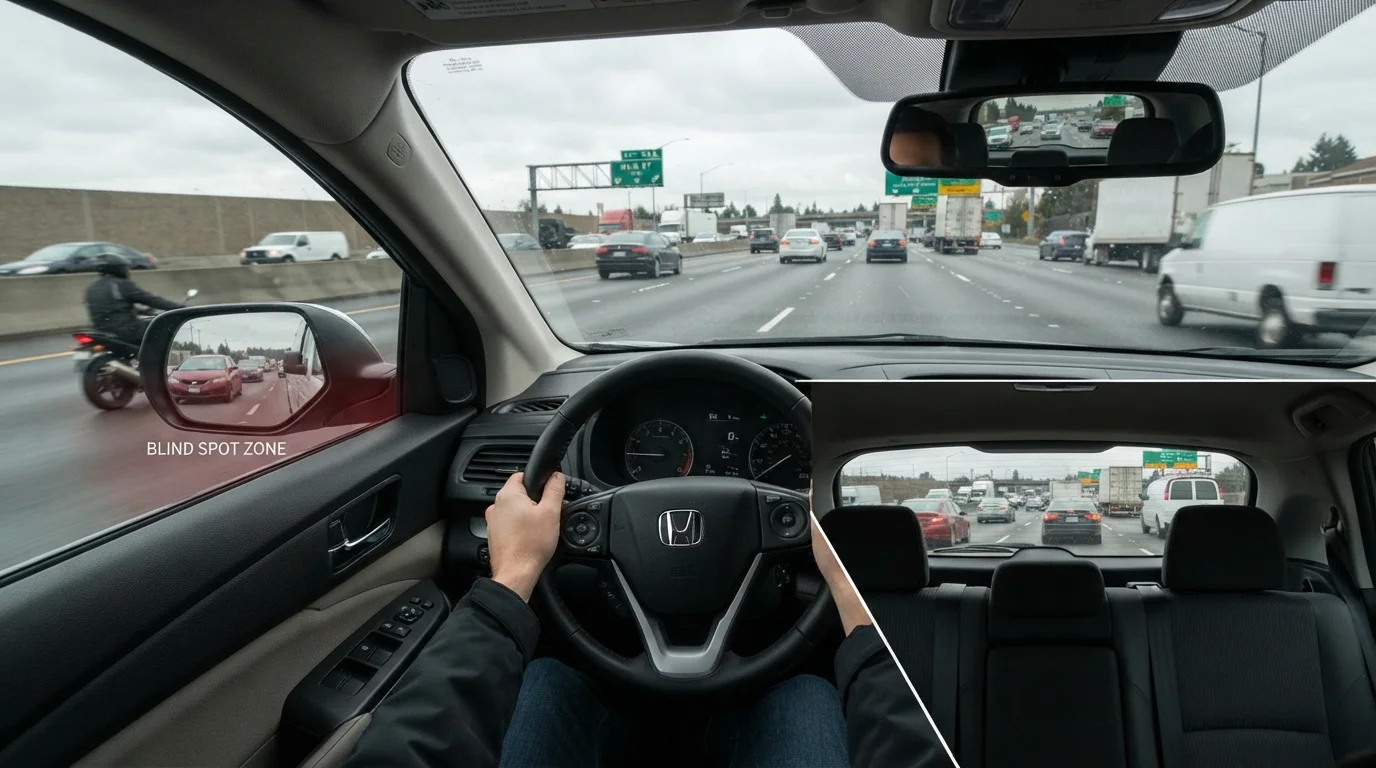
Teen Drivers and the Road: Understanding the Elevated Risk
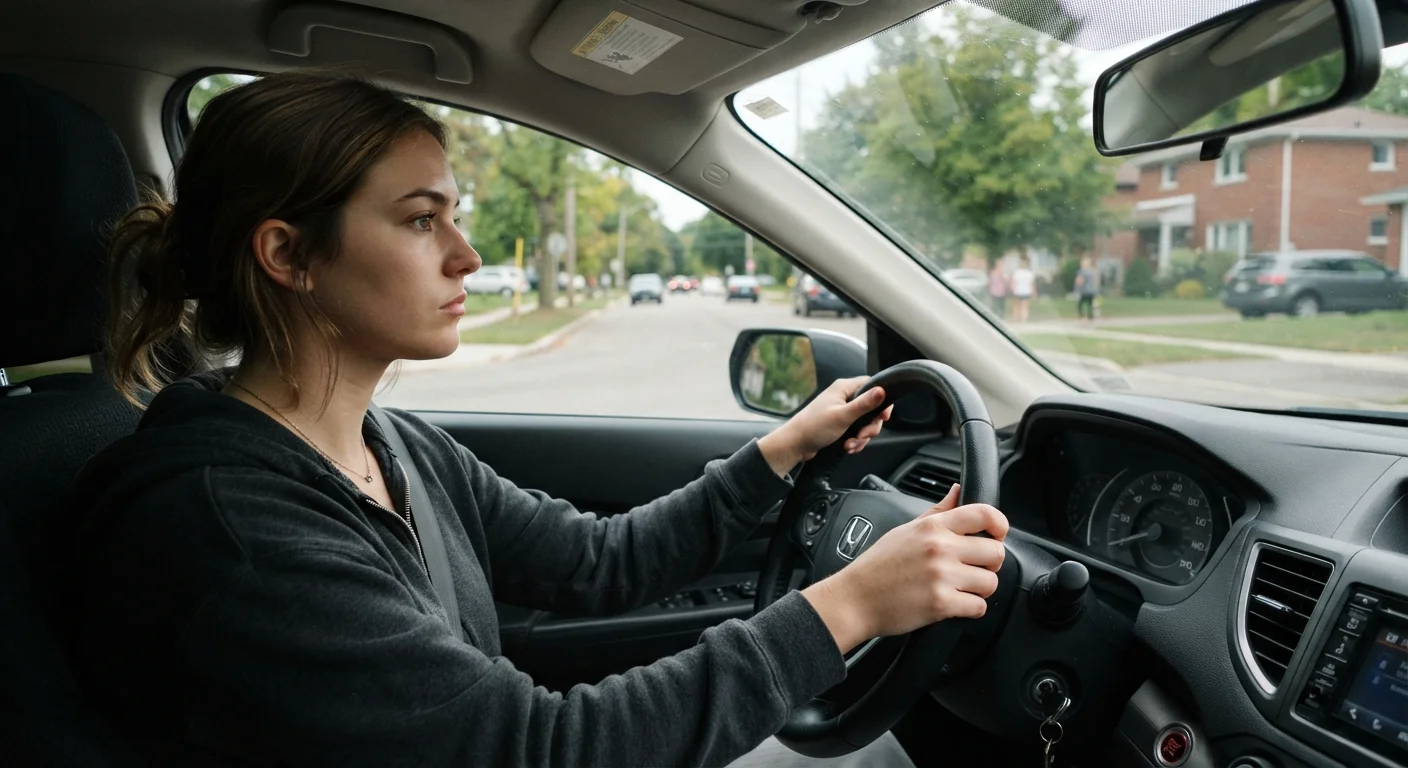
Photo credit: InGlimpse.com | Where Curiosity Finds Answers
In this article
New drivers face a statistically higher crash risk. This guide explains the contributing factors and habits that help reduce it.
Key Takeaways
- Teen drivers aged 16–17 have crash rates significantly higher than any other age group.
- Inexperience — not recklessness alone — is the primary driver of elevated crash risk.
- Passengers, nighttime driving, and phone use multiply crash risk for new drivers.
- Graduated licensing laws reduce teen crash fatalities by restricting high-risk conditions early on.
- Supervised practice hours and consistent habits are among the most effective risk-reduction tools.
Why Teen Drivers Crash More Often
Motor vehicle crashes are the leading cause of death for teenagers in the United States, according to the Centers for Disease Control and Prevention (CDC). Drivers aged 16–17 crash at roughly three times the rate of drivers 20 and older per mile driven. That gap isn't primarily a character issue — it's an experience issue.
Driving is a complex cognitive task. Experienced drivers have developed automatic responses to common hazards: they read traffic patterns quickly, manage speed intuitively, and anticipate problems before they develop. New drivers haven't built those mental shortcuts yet. Every situation demands more deliberate processing, which is slower and more prone to error.
This is why the first 6–12 months after getting a license are statistically the most dangerous period. The risk doesn't disappear after that, but it drops sharply as pattern recognition and situational awareness improve with real-world practice. For a broader look at the principles that underpin safe driving at any experience level, see our comprehensive road safety guide.
Hazard recognition
The ability to spot developing dangers on the road before they become immediate threats — a skill that improves significantly with driving experience.
Graduated Driver Licensing (GDL)
A staged licensing system that allows new drivers to gain experience gradually under supervised and then restricted conditions before earning full driving privileges.
Cognitive load
The mental effort required to process information and make decisions. New drivers carry a higher cognitive load because basic driving tasks aren't yet automatic.
Restricted license phase
The middle stage of a GDL program where a teen can drive unsupervised but must follow specific limits — such as no passengers under 18 or no driving after 10 PM.
Situational awareness
A driver's ongoing understanding of everything happening around their vehicle — other cars, pedestrians, road conditions — used to make safe decisions in real time.
The Core Risk Factors
Several specific factors consistently appear in data on teen crashes. Understanding them is the first step toward addressing them.
- Inexperience with hazard recognition: New drivers tend to focus on the immediate task — steering, braking, checking mirrors — rather than scanning ahead for developing hazards.
- Distraction: Phone use behind the wheel is a well-documented crash risk for all age groups, but it's particularly dangerous for teens who haven't yet automated the core driving tasks. Any divided attention is high-stakes for a novice.
- Passenger influence: The presence of teenage passengers meaningfully increases crash risk. Conversation, social pressure, and the desire to perform can all pull attention away from the road.
- Nighttime driving: Reduced visibility and increased likelihood of encountering impaired drivers make nighttime inherently riskier. Combined with limited experience, it's a high-risk combination. Our article on night driving hazards covers this in depth.
- Speeding and following too closely: Teens are more likely than experienced drivers to underestimate how much stopping distance they need at a given speed. The 3-second rule for following distance is a foundational habit worth mastering early.
The First Six Months Are the Riskiest
Crash risk for newly licensed teens is at its peak in the first six months of independent driving — before protective habits are fully formed. This is precisely the period when supervision and clear house rules matter most. Don't treat license day as the finish line.
Graduated Driver Licensing: How It Helps
Every US state has some form of GDL system. The core idea is straightforward: new drivers earn expanded privileges incrementally as they gain supervised experience, rather than receiving full driving access all at once.
A typical GDL system has three stages:
- Learner's permit: The new driver must be accompanied by a licensed adult at all times. This phase usually requires a minimum number of supervised hours — often 40 to 65 — before progressing.
- Restricted license: The teen can drive unsupervised but faces limits on passengers, nighttime hours, and in some states, phone use. These restrictions directly target the highest-risk conditions.
- Full license: Restrictions lift once the driver reaches a certain age (usually 17 or 18) and has maintained a clean record through the restricted phase.
GDL laws have been associated with meaningful reductions in teen crash fatalities in states with stronger programs. The specifics vary by state, so checking your state's DMV requirements directly is worthwhile.
Habits That Reduce Risk
Beyond what laws require, deliberate habits are the most reliable way to build safer driving over time.
- Practice in varied conditions: Supervised hours should include rain, highway driving, and unfamiliar routes — not just comfortable neighborhood loops. Exposure to highway vs. city driving differences builds adaptability.
- Phone-free driving: Putting the phone in a bag or glove compartment removes the temptation. Hands-free doesn't eliminate distraction — it reduces it. The safest choice is no phone interaction while moving.
- Consistent mirror and scan habits: Checking mirrors every 5–8 seconds and actively scanning intersections aren't instincts — they're learned behaviors that must be practiced until they're automatic.
- Maintaining the vehicle: A car with worn tires, faulty brakes, or burned-out lights is a compounding risk for any driver. For new owners, car ownership and maintenance basics is a practical starting point.
Log Hours in Real Conditions
When supervising a teen driver, push beyond the familiar neighborhood loop. Practice merging onto a highway, driving in light rain, and navigating an unfamiliar parking lot. These experiences build the adaptability that makes the difference when something unexpected happens.
The Role of Parents and Supervisors
Research consistently shows that teens whose parents stay actively involved in early driving practice have lower crash rates. That involvement doesn't end at the learner's permit phase.
Effective parental supervision means logging practice hours in genuinely varied conditions — not just routes the teen already knows — and having direct conversations about high-risk scenarios like peer pressure in the car, what to do if they feel unsafe, and the non-negotiable nature of the no-phone rule.
Parent-teen driving agreements can be a useful tool. These are written contracts that spell out house rules: curfews, passenger limits, phone policies, and agreed consequences. Framing rules as safety measures rather than punishment tends to land better with teenagers.
Finally, modeling matters. Teens notice when adults speed, tailgate, or check their phones at red lights. Consistent safe driving by the adults around them reinforces that these habits are the norm — not just rules that apply to beginners.
This article provides general educational information about teen driving safety. It is not a substitute for your state's official driver education requirements or the guidance of a certified driving instructor.
Frequently Asked Questions

Author
Autos Editorial Team
Autos Editorial Team is the collective byline for our editorial team and contributor network. Articles published under this byline or an editorial pen name are researched, written, and reviewed according to our editorial standards for clarity, consistency, and independence before publication.
View all articles →