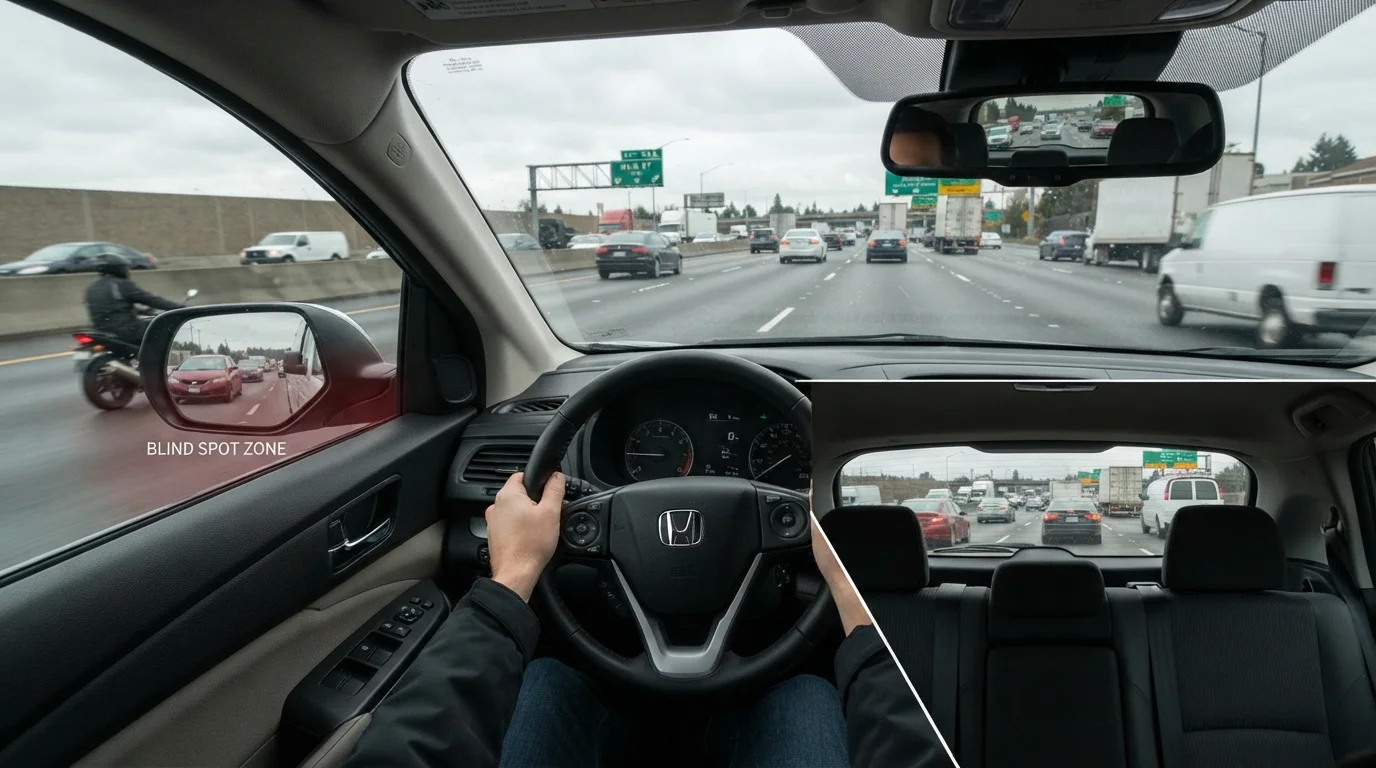
Safe Following Distance: The Science Behind the 3-Second Rule
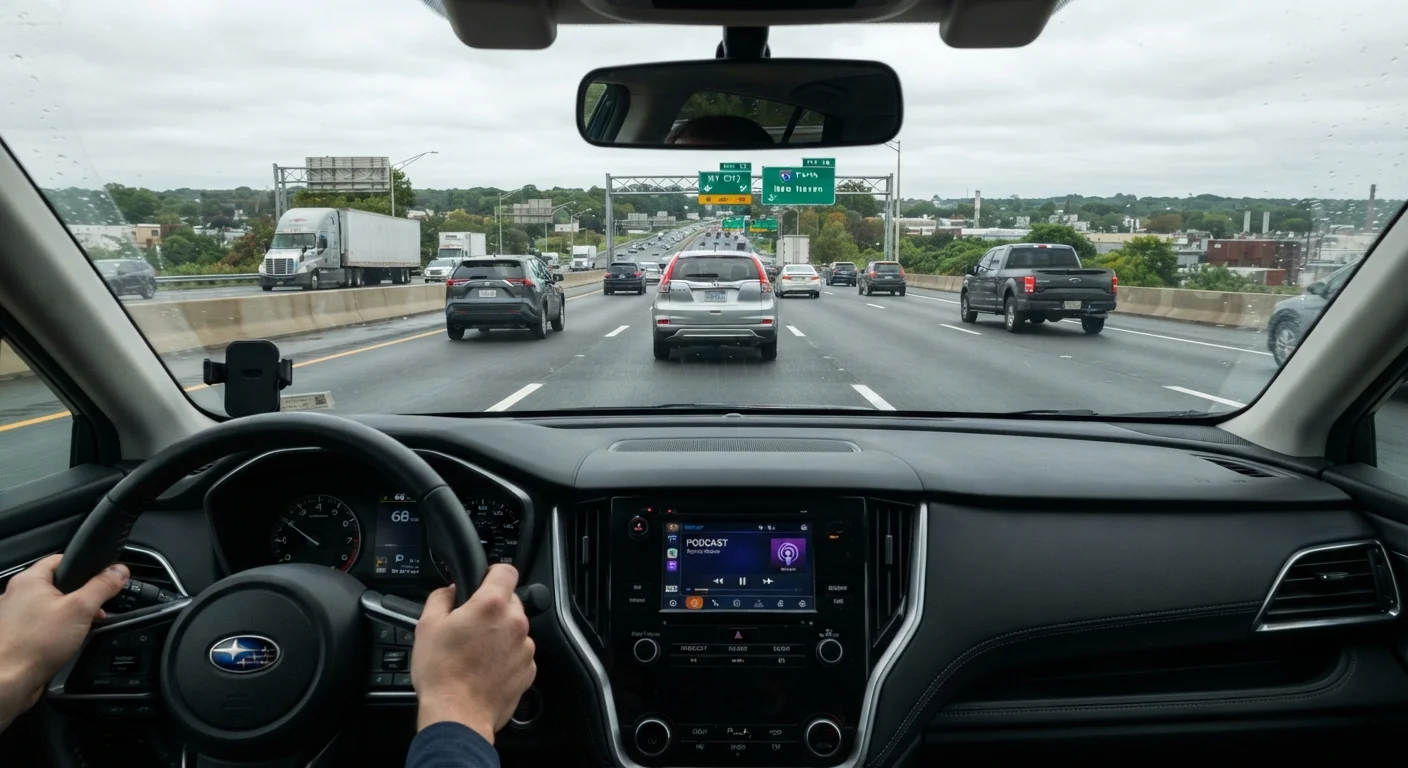
Photo credit: InGlimpse.com | Where Curiosity Finds Answers
In this article
Understand why maintaining proper following distance is one of the most effective crash-prevention habits any driver can develop.
Key Takeaways
- The 3-second rule works at any speed — it accounts for both your reaction time and braking distance.
- Tailgating is a leading factor in rear-end collisions, the most common type of crash in the U.S.
- Wet, icy, or low-visibility conditions require doubling or tripling your following distance.
- Larger vehicles like trucks and SUVs need extra following distance due to greater braking distances.
- Distraction and fatigue significantly increase the reaction time the 3-second buffer is designed to absorb.
Why the Gap Between Cars Matters More Than Speed
Most drivers focus on their speedometer when thinking about safety. But crash data consistently points to following distance as one of the most consequential variables in preventing collisions. Rear-end crashes are the single most common type of collision in the United States, and inadequate following distance is a primary contributing factor.
The physics is straightforward. From the moment you perceive a hazard to the moment your car actually stops, two things happen: your brain processes the threat and signals your foot to move (reaction time), and then your brakes do the physical work of slowing the vehicle (braking distance). At 60 mph, a typical driver covers about 132 feet — roughly four car lengths — during reaction time alone, before the brakes even engage.
The 3-second rule exists to approximate that total stopping requirement in a way any driver can use in real time, without math. It's a foundational piece of defensive driving — the broader practice of anticipating hazards before they become emergencies.
~29%
Of all U.S. crashes that are rear-end collisions
According to the National Highway Traffic Safety Administration, rear-end crashes are consistently the most common crash type on American roads.
1.5 sec
Typical driver perception-reaction time
Transportation safety research generally places average driver reaction time between 1.5 and 2.5 seconds, increasing with fatigue, distraction, or impairment.
2×
Increase in stopping distance on wet pavement
Wet road surfaces can approximately double the stopping distance compared to dry conditions, according to general vehicle dynamics research.
How to Use the 3-Second Rule
The method is straightforward and takes no equipment. As the vehicle ahead passes a fixed reference point — a sign, overpass, or crack in the pavement — begin counting: one-thousand-one, one-thousand-two, one-thousand-three. If your front bumper reaches that same point before you finish the count, you're too close.
What makes this technique practical is that it scales automatically with speed. At 30 mph, three seconds equals about 132 feet. At 65 mph, three seconds covers roughly 286 feet. The buffer grows with your speed, which is exactly what's needed as stopping distances increase.
Adapt Your Count for Larger Vehicles
If you're driving a truck, SUV, or towing a trailer, the standard 3-second rule isn't quite enough. These vehicles carry more mass and take longer to stop. Add an extra second — use a 4-second count as your baseline under normal conditions, and adjust further in poor weather or heavy traffic.
One common misconception is that following distance only matters at highway speeds. In reality, urban stop-and-go traffic generates a high number of low-speed rear-end hits — often because drivers are distracted and have left almost no gap. Even at 20 mph, a sudden stop from the car ahead can cause a collision if you're only a bumper-length behind. See how this connects to common driving safety myths many drivers still hold.
When Three Seconds Isn't Enough
The 3-second rule assumes normal conditions: dry pavement, good visibility, and an alert driver. When any of those factors change, the buffer needs to grow.
- Rain and wet roads: Wet pavement can double stopping distances. Move to at least a 6-second gap.
- Snow and ice: Braking distances can increase by 10 times or more on ice. Eight to ten seconds is a reasonable starting point.
- Fog or reduced visibility: If you can't see far enough ahead to react to a distant hazard, you need more space — not less.
- Towing a trailer: Added weight dramatically increases stopping distance. Treat this like adverse weather and add extra buffer.
- Fatigue or distraction: Drowsy or distracted driving increases reaction time significantly, effectively eating into the margin the 3-second rule is designed to provide.
Large vehicles deserve a specific mention. Commercial trucks traveling at highway speed can require up to 40% more stopping distance than a passenger car. Following closely behind a truck is particularly risky — you lose forward visibility and the truck's driver may not see you in their mirrors. For new drivers especially, understanding these variations early is critical.
Following Distance and Highway Merging
Maintaining a proper following distance also makes merging significantly safer — both for you and drivers entering from on-ramps. A large gap in front of you gives you flexibility to adjust speed and create room for merging traffic without hard braking. See our guide on merging onto a freeway safely for a full breakdown of gap selection and speed matching.
Building the Habit in Real Driving Conditions
Knowing the rule and using it consistently are two different things. Under real-world driving pressure — heavy traffic, aggressive drivers behind you, time pressure — maintaining a safe gap can feel uncomfortable or counterproductive. When another driver fills the space you've left, the instinct is often to close the gap again.
Resist that instinct. The space in front of your car is a safety buffer, not a position in a queue. When someone merges into it, simply ease back until you've re-established three seconds. This also has a documented traffic-flow benefit: maintaining gaps tends to dampen the stop-and-go wave effect common in congested highway traffic.
Consistent following distance is a core element of safe driving across all conditions — from urban grids to rural two-lanes to freeway merges. Practiced regularly, it becomes automatic. The 3-second count takes less than five seconds to perform and can be the difference between a near-miss and a collision.
This article provides general driver education information. For guidance specific to your state's traffic laws, consult your state's department of motor vehicles or a licensed driving instructor.
Frequently Asked Questions

Author
Autos Editorial Team
Autos Editorial Team is the collective byline for our editorial team and contributor network. Articles published under this byline or an editorial pen name are researched, written, and reviewed according to our editorial standards for clarity, consistency, and independence before publication.
View all articles →