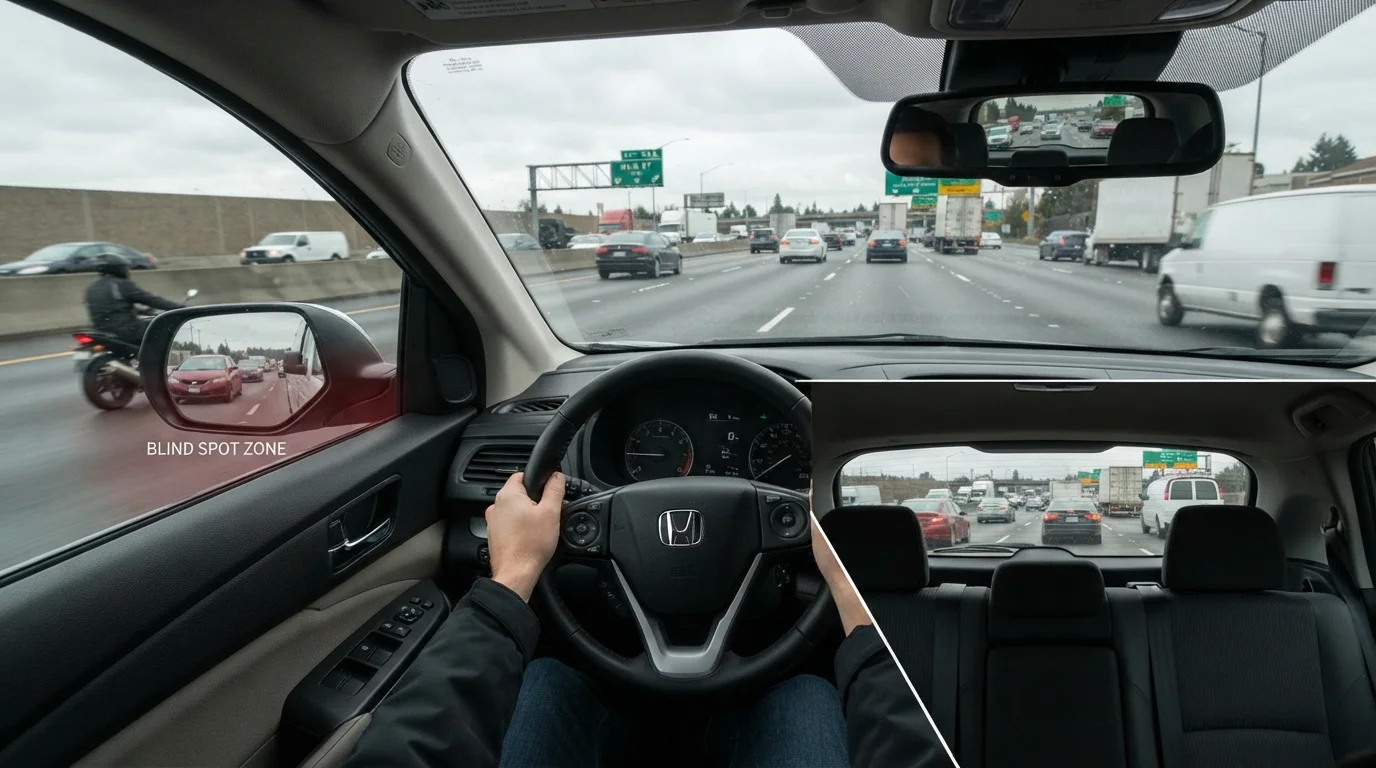
The Hidden Dangers of Distracted Driving Beyond Your Phone
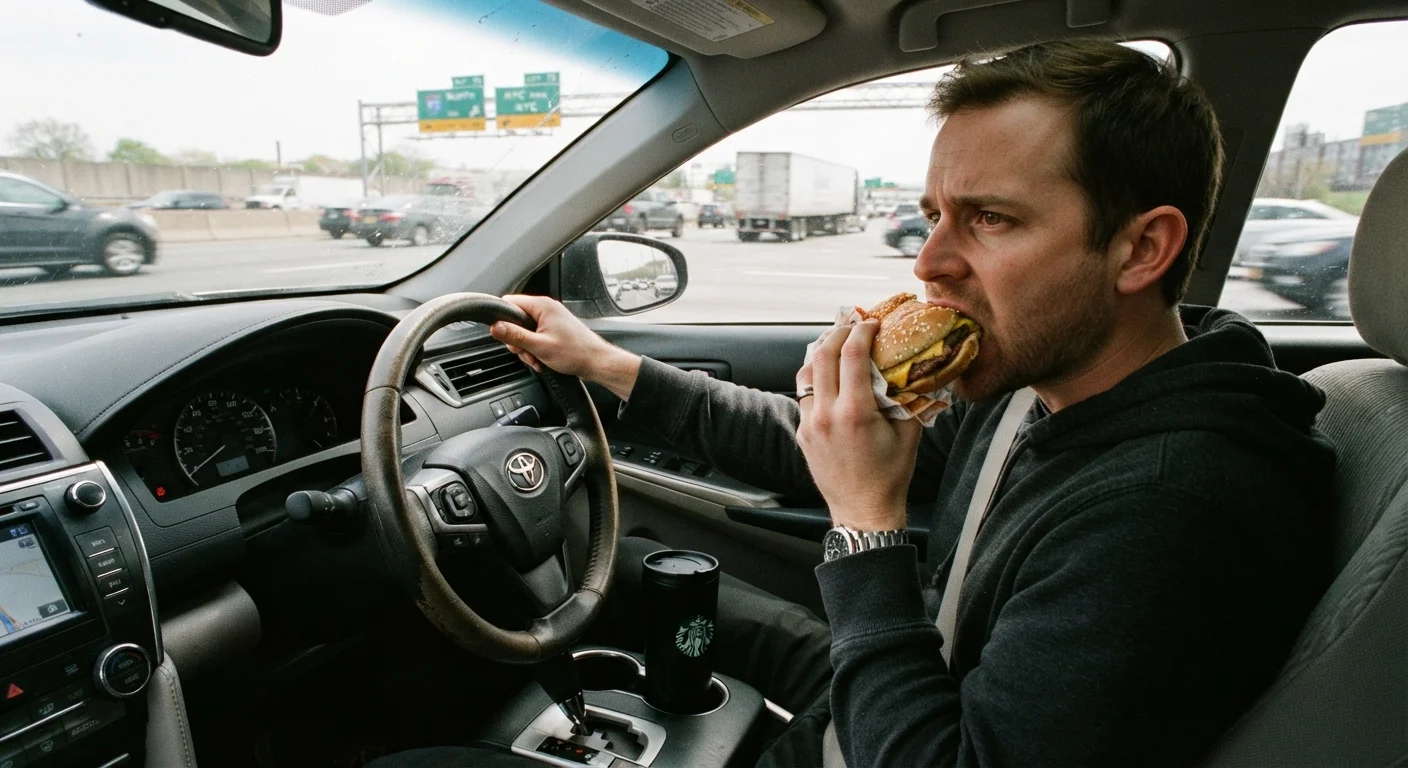
Photo credit: InGlimpse.com | Where Curiosity Finds Answers
In this article
Phone use gets the headlines, but eating, navigation adjustments, and passengers are equally disruptive. Here's the full picture.
Key Takeaways
- Phone use is just one of many distraction types that meaningfully impair driving performance.
- Eating, adjusting navigation, and passenger conversations all divert attention from the road.
- Cognitive distraction — mental preoccupation — is as dangerous as visual or manual distraction.
- Even brief lapses in attention at highway speeds can result in significant distance traveled unsafely.
- Small habit adjustments before departure reduce in-vehicle distractions substantially.
Distraction Is Bigger Than the Phone in Your Pocket
It's easy to treat distracted driving as a phone problem. Campaigns, laws, and public awareness have rightly targeted handheld device use — but that framing leaves a wide blind spot. Researchers and traffic safety experts broadly categorize driver distraction into three types: visual (eyes off the road), manual (hands off the wheel), and cognitive (mind off the task of driving). Any activity that triggers one or more of these categories is a genuine hazard.
The consequences aren't theoretical. According to the National Highway Traffic Safety Administration (NHTSA), distraction is a reported factor in thousands of fatal crashes each year in the U.S. — and phone use doesn't account for all of them. Understanding the full range of distractions is the first step toward driving more deliberately. If you're also curious about how fatigue compounds these risks, see what drowsy driving does to your reaction time.
Do Your Setup Before You Move
Treat the 60 seconds before you put the car in drive as preparation time. Set your navigation destination, adjust your mirrors and seat, select your audio, and secure any food or drink. Drivers who complete these tasks at a standstill eliminate a significant portion of in-motion distractions before they occur.
The Distractions Most Drivers Underestimate
The list below covers the distraction sources drivers routinely dismiss or don't recognize at all. Each one has a measurable effect on situational awareness and response time.
Eating and Drinking While Driving
Grabbing a coffee or unwrapping a sandwich at the wheel feels routine — and that's precisely what makes it risky. Eating is a triple-threat distraction: it takes one or both hands off the wheel (manual), pulls your eyes down to the food or the spill you're trying to avoid (visual), and occupies some mental bandwidth managing the task (cognitive).
Hot beverages and messy foods amplify the hazard. A sudden spill forces an instinctive reaction — reaching, flinching — that can jerk the steering wheel. Studies on driver behavior have found that eating while driving increases crash risk at a level comparable to other commonly cited distractions. The fix is straightforward: eat before you drive or during a proper stop.
Eating behind the wheel is a triple-threat distraction affecting hands, eyes, and attention simultaneously.
Interacting With Navigation Systems
GPS navigation has made driving more efficient, but fiddling with it while moving undoes those gains. Entering an address, zooming the map, or changing the audio volume on an in-dash screen while driving qualifies as both a visual and manual distraction. Research from the AAA Foundation for Traffic Safety has documented that some in-vehicle infotainment interactions can occupy a driver's attention for several seconds — long enough to travel the length of a football field at highway speed without full awareness.
Best practice: program your destination before departure. If you need to update the route mid-trip, pull over safely. Voice commands reduce but don't eliminate cognitive load — you're still mentally processing an interface rather than the road.
Entering a GPS address while moving can divert your eyes and hands for several critical seconds.
Passenger Conversations and Behavior
Talking to passengers is different from talking on the phone, but it isn't distraction-free. Emotionally charged conversations — arguments, stressful news, heated debates — produce cognitive distraction that persists even after the words stop. The driver's mental resources are split between processing the conversation and processing the road.
Passengers are also a physical distraction source, particularly with young children or pets not properly restrained. Turning to look at a backseat passenger, reaching back to hand something over, or responding to a child's urgent request all involve taking eyes off the road. This is one of the documented contributing factors to elevated crash risk among teen drivers — see the elevated crash risk profile for new drivers for the full picture.
Emotionally charged conversations produce cognitive distraction that lingers even after speaking stops.
Daydreaming and Mind-Wandering
Cognitive distraction doesn't require an external trigger. Mind-wandering — mentally replaying a meeting, planning dinner, or processing emotional stress — is one of the most common and least visible forms of impaired attention behind the wheel. Your eyes may be open and aimed at the road, but your brain is elsewhere.
NHTSA data has identified being "lost in thought" as the most frequently cited distraction type in crashes where distraction was a factor. This is especially prevalent on familiar routes where routine lulls vigilance. Varied driving environments, like those covered in night driving challenges, can demand more conscious attention and reduce autopilot tendencies.
Being lost in thought is among the most common distraction-related crash factors, yet leaves no visible sign.
Adjusting Vehicle Controls While Moving
Climate control, radio tuning, seat adjustment, mirror repositioning — these feel like minor housekeeping tasks. But each one pulls hands off the wheel and eyes off the road, even briefly. The cumulative effect of multiple small adjustments during a single commute adds up to meaningful exposure time.
The broader issue is the expectation that these tasks should happen while driving. Treating departure preparation as a pre-drive ritual — mirrors set, climate adjusted, station selected — eliminates most of this distraction before it starts. It's a mundane habit change with a practical safety payoff. You might also be surprised how many common beliefs about safe driving behavior turn out to be outdated — common driving safety myths are worth revisiting.
Adjusting controls mid-drive seems minor but creates repeated cycles of hands-off, eyes-off exposure.
Hands-Free Isn't Distraction-Free
It's a widely held belief that hands-free phone calls are safe because your hands stay on the wheel. Traffic safety research, including work from the AAA Foundation, suggests that cognitive distraction from a phone conversation persists even when the device is voice-operated. Hands-free reduces manual and visual distraction but does not eliminate the cognitive load of an engaging conversation. This distinction matters when assessing your actual risk level behind the wheel.
Building Habits That Keep Your Focus on the Road
Awareness is step one; the follow-through is behavioral. Before pulling out of any parking spot or driveway, take 60 seconds: set your GPS route, adjust mirrors and climate, and stow food or beverages you planned to consume en route. If you're traveling with children or pets, brief any adult passengers on keeping noise levels manageable.
For longer trips — particularly on highways — plan rest stops rather than trying to eat, drink, or tend to passengers while moving. Highway and city environments carry distinct risks, and the appropriate habit adjustments differ for each. The common thread: mental attention is a finite resource, and every distraction draws from the same pool your driving depends on.
Distracted driving isn't only a personal risk — it affects every other person sharing that road. Small, deliberate habits before and during your drive are among the most concrete safety improvements any motorist can make.

Author
Autos Editorial Team
Autos Editorial Team is the collective byline for our editorial team and contributor network. Articles published under this byline or an editorial pen name are researched, written, and reviewed according to our editorial standards for clarity, consistency, and independence before publication.
View all articles →