
Retinoids, Vitamin C, AHAs, BHAs: A Plain-Language Glossary of Skincare Actives
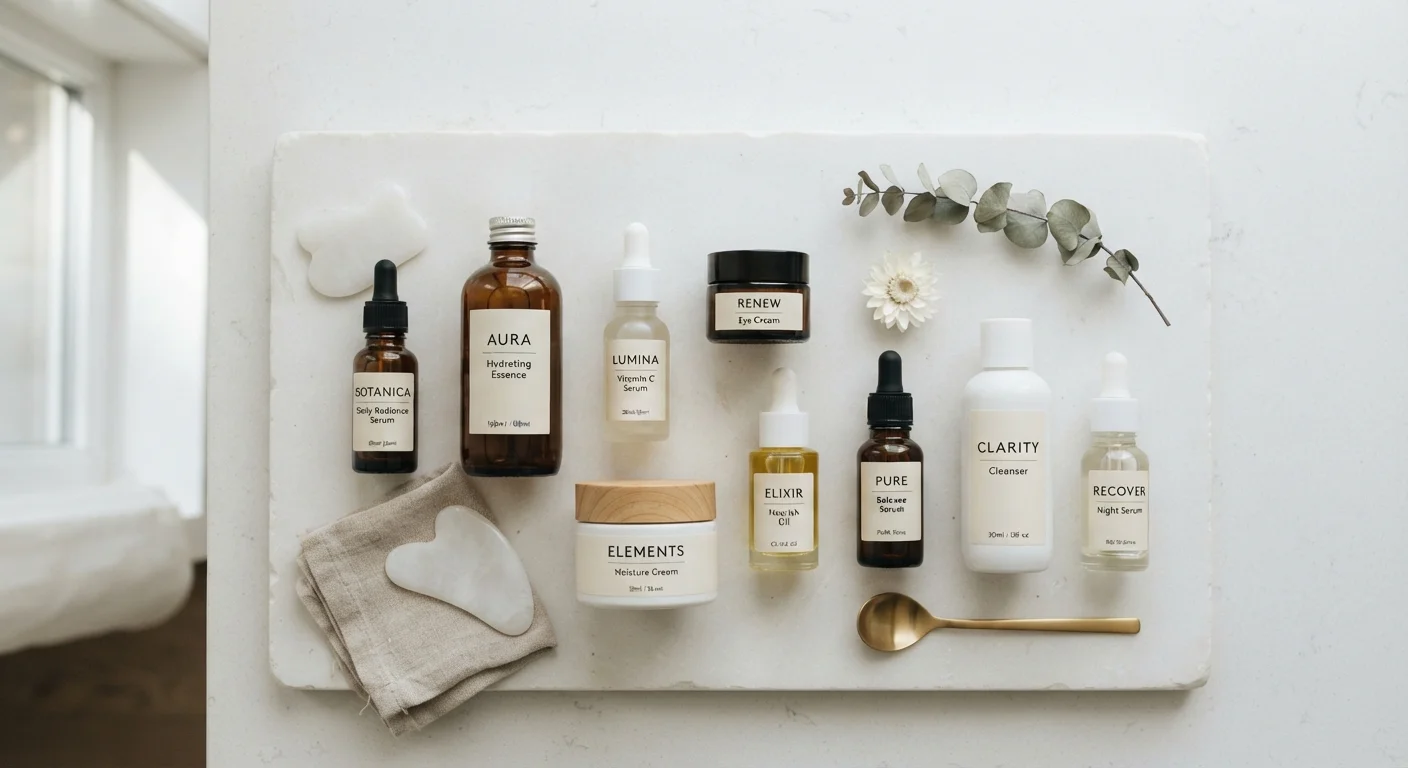
Photo credit: InGlimpse.com | Where Curiosity Finds Answers
In this article
A quick-reference guide to the most talked-about skincare actives—what each one does, and what skin concerns it addresses.
Why Skincare Actives Matter
Walk through any beauty aisle or scroll a skincare forum and you'll encounter the same ingredient names repeated with near-religious conviction: retinoids, vitamin C, AHAs, BHAs. These are collectively known as skincare actives — ingredients formulated to create a measurable change in the skin, as opposed to ingredients that simply moisturize, protect, or support texture.
Understanding what each active does — and what it doesn't — helps you build a routine with intention rather than guesswork. This glossary defines the most commonly referenced actives in plain terms, covers what skin concerns each addresses, and flags key considerations for safe use. For a broader look at how these ingredients fit into a complete routine, see what every skincare step actually does.
| Primary exfoliating acids | AHAs (glycolic, lactic) and BHAs (salicylic acid) |
| Best active for acne-prone/oily skin | BHAs (salicylic acid) — oil-soluble, penetrates pores |
| Retinoids require | Daily SPF; avoid during pregnancy |
| AHAs increase | Sun sensitivity — SPF use is essential |
| Most beginner-friendly active | Niacinamide — broad skin type compatibility |
| Prescription-only retinoid | Tretinoin (significantly stronger than OTC retinol) |
The Active-by-Active Glossary
Retinoids (Retinol, Retinal, Tretinoin)
Retinoids are vitamin A derivatives that accelerate skin cell turnover and stimulate collagen production. Cosmetic retinol and retinal are available over the counter; tretinoin requires a prescription and is significantly more potent. They are most often used to address fine lines, uneven skin tone, acne, and rough texture. Retinoids increase photosensitivity, so sunscreen use becomes especially important during the day. New users often experience an adjustment period of redness, dryness, or flaking — commonly called the "retinoid purge" or retinization — that typically settles with gradual introduction. Pregnant individuals should avoid retinoids entirely; always consult a healthcare professional.
Vitamin C (L-Ascorbic Acid and Derivatives)
Vitamin C is an antioxidant that helps neutralize free radical damage, supports collagen synthesis, and can help reduce the appearance of dark spots and dullness over time. L-ascorbic acid is the most studied form, though it can be unstable and may irritate sensitive skin at higher concentrations. Derivatives such as ascorbyl glucoside or sodium ascorbyl phosphate tend to be gentler and more shelf-stable, though they convert to active vitamin C less efficiently. Morning use pairs well with SPF, since antioxidants and sunscreen offer complementary protection.
AHAs — Alpha Hydroxy Acids
AHAs are water-soluble exfoliating acids derived primarily from natural sources. The most common are glycolic acid (from sugarcane) and lactic acid (from milk or fermentation). They work at the skin's surface, loosening the bonds between dead skin cells to encourage shedding and reveal smoother skin beneath. AHAs are often used for dullness, uneven texture, hyperpigmentation, and mild surface dryness. Because they remove the outermost protective layer of skin, they increase sun sensitivity — consistent SPF use is non-negotiable. They are generally not recommended for broken or highly reactive skin.
Skincare Active
An ingredient formulated to produce a measurable physiological change in the skin, such as accelerating cell turnover, stimulating collagen, or chemically exfoliating. Actives are distinct from supporting ingredients like humectants or emollients.
Retinoid
A class of vitamin A derivatives used in skincare to speed up cell turnover and support collagen production. Includes over-the-counter forms like retinol and retinal, as well as prescription-strength tretinoin.
Alpha Hydroxy Acid (AHA)
A group of water-soluble acids — including glycolic and lactic acid — that exfoliate the skin's surface by loosening bonds between dead skin cells. Commonly used for improving texture, tone, and luminosity.
Beta Hydroxy Acid (BHA)
An oil-soluble acid, most commonly salicylic acid, that penetrates into pores to dissolve debris and excess sebum. Often favored for oily, acne-prone, or congested skin.
L-Ascorbic Acid
The pure, active form of vitamin C used in skincare. It functions as an antioxidant, supports collagen synthesis, and may help fade hyperpigmentation, though it is prone to oxidation and can irritate sensitive skin at high concentrations.
Niacinamide
A form of vitamin B3 that helps strengthen the skin barrier, regulate oil production, and reduce the appearance of enlarged pores and uneven tone. It is well-tolerated by most skin types.
Peptides
Short chains of amino acids that act as signaling molecules, encouraging the skin to produce collagen or elastin. They are gentler than acids or retinoids and are commonly found in anti-aging formulations.
Retinization
The adjustment period that often occurs when introducing retinoids, characterized by dryness, flaking, or mild redness as the skin adapts. It typically subsides with gradual, consistent use.
BHAs — Beta Hydroxy Acids
The most well-known BHA is salicylic acid, which is oil-soluble, allowing it to penetrate into pores rather than acting only on the surface. This makes BHAs particularly effective for oily or acne-prone skin, blackheads, and congestion. Salicylic acid also has mild anti-inflammatory properties, which can help calm redness associated with breakouts. BHAs are generally better tolerated than AHAs by sensitive or reactive skin types, though they can still cause dryness if overused.
Niacinamide
Niacinamide (vitamin B3) is a versatile, well-tolerated active that supports the skin barrier, helps regulate sebum production, and can visibly reduce the appearance of enlarged pores and uneven tone. It works across a wide range of skin types and is often layered with other actives. It's one of the few actives with a genuinely broad appeal — and one of the more beginner-friendly options available. For guidance on how actives interact, see common mistakes when combining actives.
Peptides
Peptides are short chains of amino acids that serve as signaling molecules in the skin, prompting it to produce more collagen or elastin. They are gentler than most other actives and are often found in anti-aging and barrier-repair formulations. Results tend to be gradual and subtle compared to retinoids or acids, but peptides carry a lower risk of irritation, making them a practical option for sensitive skin or those new to actives.
Layering and Compatibility: What to Know
Using multiple actives at once is common, but not every combination is skin-friendly. A few widely accepted guidelines:
- Retinoids and AHAs/BHAs: Using these together can cause significant irritation, especially for beginners. Many dermatologists suggest alternating nights rather than combining them.
- Vitamin C and retinoids: These are often recommended for separate routines — vitamin C in the morning, retinoids at night — to maximize stability and minimize irritation risk.
- Niacinamide is broadly compatible and is generally layered without issue alongside most actives.
Skin type, concentration, and formulation all affect how any active performs and how your skin responds. Everyone's skin is different, and what works well for one person may not suit another. If you're navigating how your routine should shift with the seasons, seasonal skincare adjustments offers a practical framework. For a deeper look at ingredient labels and concentration order, reading a skincare label without a chemistry degree is a useful companion.
When to See a Dermatologist
Over-the-counter actives are appropriate for general skin maintenance, but persistent acne, significant hyperpigmentation, or reactive skin conditions benefit from professional evaluation. A board-certified dermatologist can recommend prescription-strength options and rule out underlying conditions that topical actives won't address. Self-treating a skin condition with actives without professional guidance can sometimes worsen it.
This article is for general informational purposes only and does not constitute medical or dermatological advice. Consult a qualified healthcare or skincare professional before introducing new actives, especially if you have a skin condition, are pregnant, or are managing a medical concern.

Author
Style Editorial Team
Style Editorial Team is the collective byline for our editorial team and contributor network. Articles published under this byline or an editorial pen name are researched, written, and reviewed according to our editorial standards for clarity, consistency, and independence before publication.
View all articles →