
Color-Treated Hair: Structural Changes and Care Adjustments That Follow
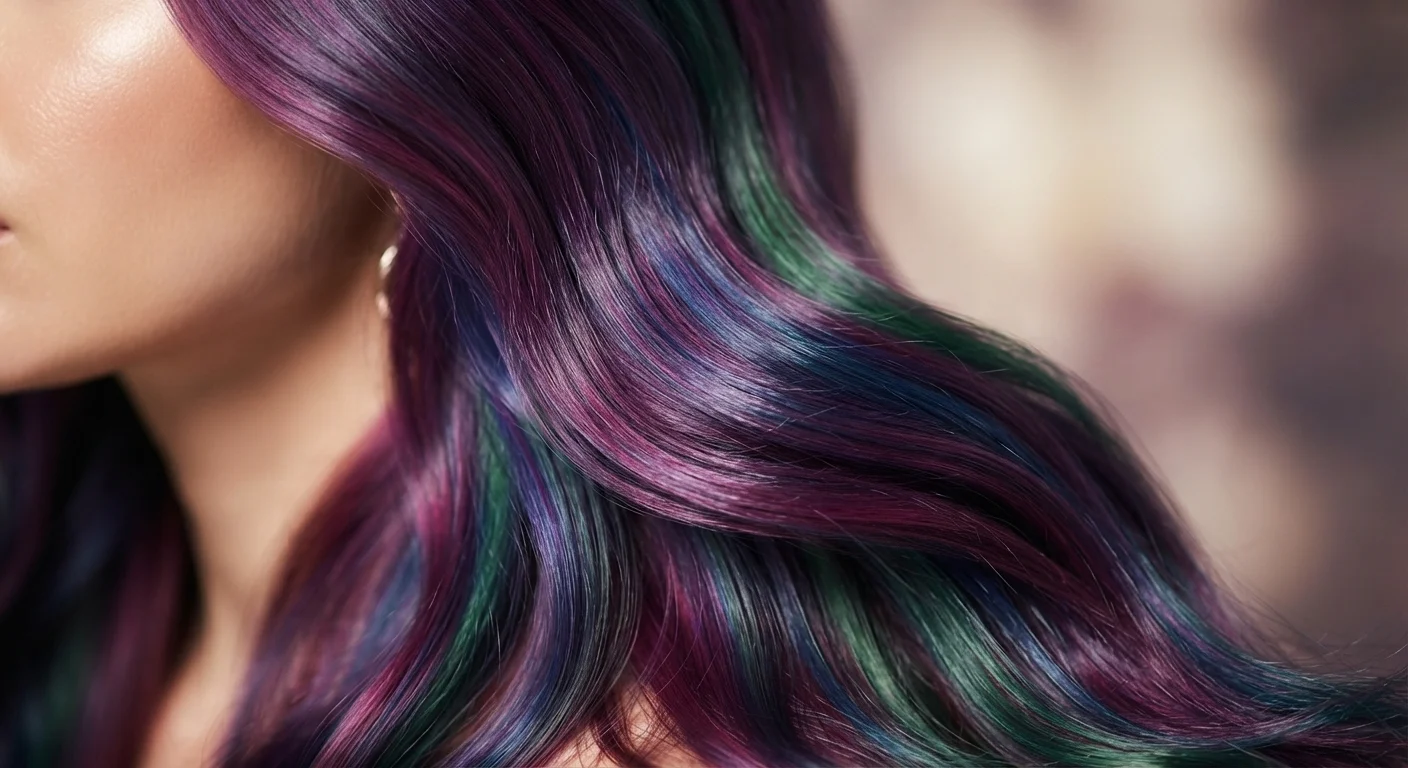
Photo credit: InGlimpse.com | Where Curiosity Finds Answers
In this article
Chemical coloring permanently alters the hair shaft. Learn what happens during the process and how your routine needs to shift afterward.
Key Takeaways
- Chemical coloring permanently alters the hair shaft, not just the surface pigment.
- The cuticle layer is lifted during coloring, making treated hair more porous and prone to moisture loss.
- Color-treated hair typically requires gentler cleansing, more intensive conditioning, and reduced heat exposure.
- Protein and moisture balance both shift after coloring and need to be actively maintained.
- The degree of structural change depends on the type of color service — bleaching causes more disruption than deposit-only color.
What Actually Happens Inside the Hair Shaft During Coloring
Hair is composed of three layers: the cuticle (the outermost scale-like layer), the cortex (the fibrous inner core containing natural pigment and structural proteins), and the medulla (the innermost channel, not always present). Understanding what coloring does to each layer explains why treated hair behaves differently afterward.
In a permanent color service, an alkaline agent causes the cuticle scales to swell and lift. A developer — usually hydrogen peroxide — then oxidizes the natural melanin in the cortex, dispersing or lightening the existing color. Artificial dye molecules enter through the open cuticle and are oxidized inside the cortex so they become too large to escape easily. This is what makes permanent color "permanent" — the molecules are trapped in the cortex rather than sitting on the outside.
The cuticle doesn't return to its original tightly overlapping state after this process. It remains more elevated and irregular, which directly affects texture, shine, and moisture retention. Bleaching takes this further by dissolving a greater portion of melanin and causing more extensive cortex disruption, which is why heavily lightened hair often feels coarser and more fragile.
Not All Color Services Are Equal
The degree of structural change varies significantly by service type. Deposit-only and semi-permanent colors cause minimal cuticle disruption. Single-process permanent color causes moderate change. Bleaching — especially repeated lightening — causes the most significant disruption to both the cuticle and cortex. Understanding which category your service falls into helps calibrate how much care adjustment is needed.
How Structural Changes Translate to Hair Behavior
The most immediate consequence of an elevated cuticle is increased porosity — the hair's ability to absorb and release moisture. Color-treated hair typically shifts toward higher porosity, meaning it drinks up water and products quickly but struggles to hold onto them. This is experienced as dryness, frizz in humid conditions, and faster color fade.
The cortex changes also affect the hair's strength and elasticity. Healthy hair stretches slightly when wet without snapping. When the cortex has been weakened by coloring — particularly bleaching — that elasticity decreases, and strands are more prone to breakage, especially when brushed wet or subjected to heat.
~80%
Adults who color their hair at some point
Industry surveys consistently suggest the majority of American adults use some form of hair color during their lifetime, making post-color care widely relevant.
3–4x
Higher moisture loss in high-porosity hair
Hair science research indicates that elevated porosity — a common result of chemical coloring — significantly increases the rate at which the hair strand loses moisture to the environment.
For readers building or refining a care routine, the full-spectrum hair care guide offers useful grounding in how each layer of hair responds to different treatments. Understanding that baseline makes it easier to interpret what your own hair is telling you post-color.
Adjusting Your Routine for Color-Treated Hair
Once hair has been chemically colored, its maintenance needs shift in several specific ways:
- Cleansing: Harsh sulfate-based shampoos strip color and further erode the cuticle. A gentle, low-pH shampoo helps the cuticle lie flatter, preserving both color vibrancy and moisture levels. Washing less frequently — where manageable — also reduces fade.
- Conditioning: Color-treated hair benefits from more intensive conditioning. A regular rinse-out conditioner addresses surface smoothing, but incorporating a deep conditioner or hair mask on a weekly or biweekly schedule helps address porosity-driven moisture loss more thoroughly.
- Protein balance: When the cortex has been disrupted, the hair may lack the structural protein (keratin) it needs for strength. Occasional protein treatments can help restore this. However, balance is key — too much protein makes hair brittle.
- Heat precautions: Because the cuticle is already compromised, heat tools carry more risk on color-treated hair. The guide to heat styling and damage reduction is worth revisiting in this context, particularly for selecting appropriate temperature settings.
Test Elasticity to Read Your Hair's Needs
A simple elasticity test can reveal a lot about color-treated hair's condition. Take a single wet strand and gently stretch it. Healthy hair with good protein-moisture balance stretches slightly then returns to its original length. If it stretches a lot and doesn't spring back, moisture and protein support are both needed. If it snaps immediately with little stretch, ease off protein treatments and focus on hydration.
If you're starting a structured routine from scratch, building a hair care routine from the ground up provides a useful framework to layer color-specific adjustments onto.
Managing Long-Term Color Health
The structural changes from color services are cumulative. Each subsequent appointment — especially if it involves lightening — builds on prior disruption. Spacing out color services, using bond-building treatments (which work within the cortex to reinforce broken disulfide bonds), and keeping up with conditioning between appointments all contribute to maintaining the hair's overall condition over time.
Environmental variables also interact with color-treated hair. Prolonged sun exposure accelerates color fade and dries out already-porous strands. Chlorinated water can deposit minerals and affect tone. The seasonal hair care guide explores how to adapt your routine when environmental conditions change — a particularly relevant consideration for color-treated hair that's already working harder to retain moisture.
Ultimately, managing color-treated hair is about understanding that its structural baseline has shifted — and building a routine that meets it where it is rather than treating it like unprocessed hair.
Frequently Asked Questions

Author
Style Editorial Team
Style Editorial Team is the collective byline for our editorial team and contributor network. Articles published under this byline or an editorial pen name are researched, written, and reviewed according to our editorial standards for clarity, consistency, and independence before publication.
View all articles →