
Why Your Cat Keeps Begging Even After Eating
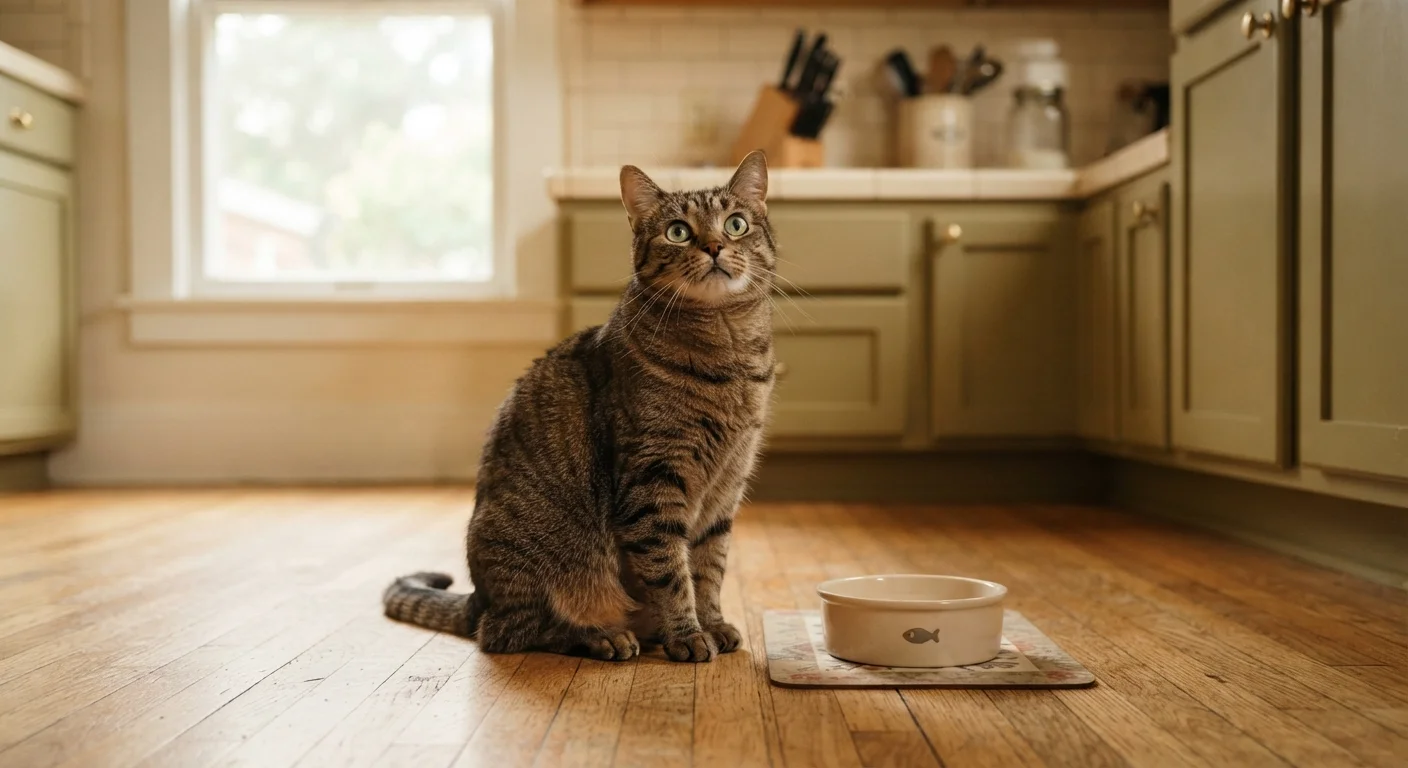
Photo credit: InGlimpse.com | Where Curiosity Finds Answers
In this article
Constant food-seeking in cats isn't always about hunger. Understand the caloric, behavioral, and medical factors that drive this common frustration.
Key Takeaways
- Cats can beg for food even when fully fed due to instinct, boredom, or learned behavior.
- Low-quality diets lacking sufficient protein may leave cats feeling nutritionally unsatisfied.
- Medical conditions like hyperthyroidism and diabetes can cause genuine, persistent hunger.
- Feeding schedules and portion sizes are two of the most commonly mismanaged factors.
- Reinforcing begging behavior by responding to it teaches cats that pestering works.
Why Cats Beg: Instinct Meets Modern Living
Cats in the wild are solitary hunters that eat multiple small meals throughout the day — sometimes up to 20 brief hunting sessions. Domestic life compresses that into one or two daily feedings, which conflicts with deeply wired foraging instincts. The result: a cat that appears perpetually hungry even with a full bowl recently behind them.
That said, not all food-seeking is behavioral. Before attributing your cat's begging to personality alone, it helps to understand the specific mistakes that can drive or worsen the behavior — and what to do instead. For a broader look at how nutritional myths can mislead owners, see our article on common pet nutrition myths.
The Most Common Mistakes That Fuel the Problem
The errors below reflect what veterinarians and animal behaviorists frequently see in household feeding situations. Each one is correctable — often without major disruption to your daily routine.
Feeding calorie-adequate but nutritionally incomplete food.
Why it happens: Many owners focus on volume or frequency rather than food composition, assuming any commercial food meets all needs.
Responding to begging with extra food or treats.
Why it happens: It feels unkind to ignore a cat that appears distressed or hungry, so owners yield — inadvertently training the cat to beg more.
Underestimating how quickly free-feeding leads to overconsumption.
Why it happens: Leaving food out constantly seems convenient and even generous, but cats — especially indoor ones with limited activity — often overeat when given unlimited access.
Ignoring sudden changes in appetite as a personality quirk.
Why it happens: Owners who have always had a food-motivated cat may normalize a significant increase in hunger, attributing it to preference rather than potential illness.
Providing too little environmental enrichment alongside meals.
Why it happens: Boredom is often mistaken for hunger. Indoor cats with few outlets for natural predatory behavior frequently redirect that energy toward food.
~20x
Daily hunting attempts by feral cats
Research on feral and free-ranging cats suggests they may attempt to hunt up to 20 times per day, catching prey only a fraction of the time — a stark contrast to the one or two meals most indoor cats receive.
~35%
Estimated prevalence of obesity in US pet cats
Studies published in veterinary literature suggest roughly one-third of domestic cats in the United States are overweight or obese, often despite owners believing they are feeding appropriate amounts.
When Begging Is Actually a Medical Signal
Persistent, sudden-onset food obsession — especially in a cat that previously ate normally — warrants a veterinary visit. Several health conditions are known to increase appetite significantly.
Hyperthyroidism is one of the most common disorders in middle-aged and older cats and causes a dramatically elevated metabolism, leading to weight loss despite voracious eating. Diabetes mellitus disrupts glucose regulation, leaving cells starved of energy even when caloric intake is adequate. Intestinal parasites can compete for nutrients, causing genuine nutritional deficiency. Exocrine pancreatic insufficiency impairs nutrient absorption so thoroughly that a cat may eat large quantities and still lose weight.
Sudden Appetite Changes Need Veterinary Attention
A cat that abruptly becomes far more food-focused — particularly if accompanied by weight loss, increased thirst, or changes in litter box habits — should be seen by a veterinarian without delay. Conditions like hyperthyroidism and diabetes are manageable when caught early but can deteriorate quickly if left unaddressed. Do not assume the change is behavioral without ruling out a medical cause.
Cats also exhibit increased food-seeking when in pain or under chronic stress — behaviors that can look like begging but signal something else entirely. Our guide on excessive grooming in cats explores how stress manifests in feline behavior more broadly.
Building a Routine That Reduces Food-Seeking
Restructuring how and when you feed your cat addresses both the behavioral and nutritional dimensions of begging. Puzzle feeders and food-dispensing toys engage a cat's hunting instinct, slowing eating and adding mental stimulation. Splitting daily portions across three or four small meals — using an automatic feeder if needed — more closely mirrors natural foraging patterns.
Consistency in timing matters. Cats are highly attuned to routine, and irregular feeding windows increase anxiety and food-focused attention-seeking. If your cat is also restless or vocal at night, nighttime behavior patterns may be linked to the same unmet stimulation needs driving daytime begging.
Finally, ensure the food itself meets your cat's nutritional requirements. A diet low in animal-sourced protein may leave a cat calorically satisfied but physiologically unsatisfied — which translates to continued food-seeking. Your veterinarian can help assess whether a current diet is appropriate for your cat's age, weight, and activity level.
This article is for general informational purposes only and does not constitute veterinary medical advice. If your cat's eating behavior changes suddenly or significantly, consult a licensed veterinarian.

Author
Pets Editorial Team
Pets Editorial Team is the collective byline for our editorial team and contributor network. Articles published under this byline or an editorial pen name are researched, written, and reviewed according to our editorial standards for clarity, consistency, and independence before publication.
View all articles →