
Protein Sources in Pet Food: Animal vs. Plant-Based Options
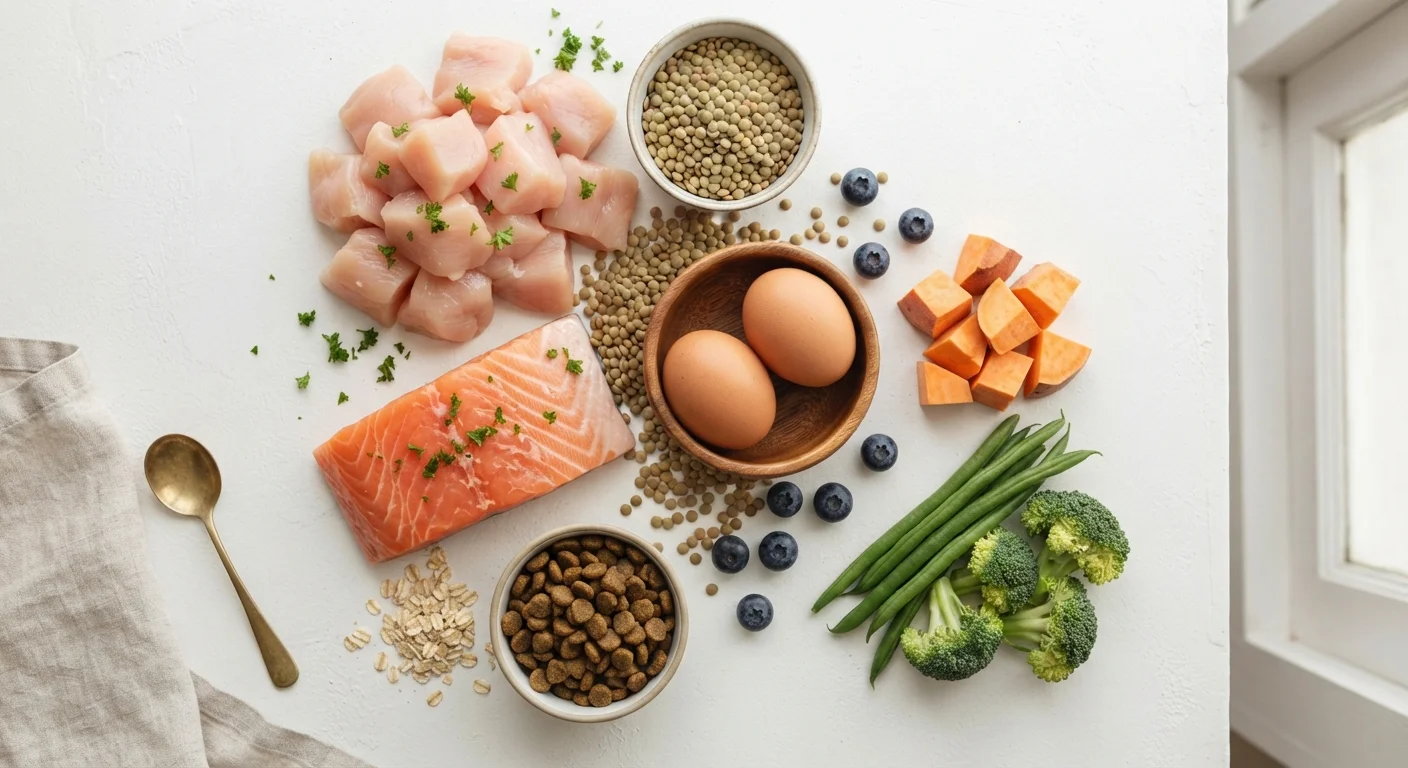
Photo credit: InGlimpse.com | Where Curiosity Finds Answers
In this article
Not all protein is equal in pet nutrition. Compare animal-based and plant-based protein sources across digestibility, amino acid profiles, and species suitability.
Key Takeaways
- Animal-based proteins generally provide a more complete amino acid profile for dogs and cats than plant-based sources.
- Cats are obligate carnivores and require specific nutrients — like taurine and arachidonic acid — found naturally only in animal tissue.
- Dogs are omnivores and can use plant proteins as part of a balanced diet, provided essential amino acids are met.
- Digestibility varies significantly between protein sources; animal proteins are typically more bioavailable for pets.
- A blended approach using both animal and plant proteins is common in commercially formulated foods and can meet nutritional requirements when carefully balanced.
Why Protein Source Matters in Pet Nutrition
Protein does far more than build muscle — it drives enzyme production, immune function, hormone synthesis, and tissue repair. But the label claim "high protein" tells only part of the story. The source of that protein determines how well a pet's body can actually use it. For a deeper grounding in macronutrients and label literacy, see our introduction to pet nutrition.
Two broad categories dominate commercial pet food: animal-based proteins (meat, poultry, fish, eggs, dairy) and plant-based proteins (legumes, soy, corn gluten, peas, potatoes). Both can contribute to a diet's total protein count, but they differ substantially in amino acid completeness, digestibility, and suitability by species.
| Animal-Based Protein | Plant-Based Protein | |
|---|---|---|
| Amino acid completeness | Complete — all essential amino acids present | Often incomplete — requires blending or supplementation |
| Digestibility | High (typically 80–90%+) | Moderate to lower (varies by source) |
| Taurine content | Naturally present in meat and fish | Absent — must be supplemented |
| Suitability for cats | Well-suited; meets obligate carnivore needs | Poor as primary source; deficiency risk |
| Suitability for dogs | Excellent as dietary foundation | Viable supplement when carefully balanced |
| Cost in formulation | Generally higher | Generally lower |
| Environmental footprint | Higher land and water use (varies by source) | Typically lower resource intensity |
Animal-Based Proteins: Nutritional Strengths and Considerations
Animal proteins are considered complete proteins — they supply all essential amino acids in proportions that closely match what dogs and cats require. Meat, poultry, and fish also deliver nutrients that are either absent or poorly converted from plant sources, including taurine (critical for cardiac function in cats), arachidonic acid, vitamin B12, and heme iron.
Digestibility studies consistently show that animal-sourced ingredients score higher on the PDCAAS and ileal digestibility measures than most plant proteins. Eggs, for example, are frequently used as a digestibility reference standard. Fish meal and chicken meal — when sourced from quality manufacturing — also rank highly.
Check the AAFCO Statement First
Regardless of protein source, the most reliable indicator of a nutritionally complete pet food is the AAFCO nutritional adequacy statement on the label. It confirms the diet has been formulated or tested to meet established nutrient profiles for a specific life stage. Use this as your baseline before evaluating ingredient lists.
One important nuance: not all animal proteins are equivalent. Meat by-products, while nutritionally valid and AAFCO-approved, vary in quality depending on sourcing and processing. Rendered meals (e.g., "chicken meal") are concentrated protein sources that can be nutritionally dense, but manufacturing standards matter. Our pet food evaluation checklist offers practical guidance on assessing ingredient quality.
Plant-Based Proteins: Role, Limits, and Species Differences
Plant proteins — including pea protein, soy, lentils, and corn gluten meal — are commonly used in pet food to supplement or partially replace animal protein. They are generally less expensive, and some manufacturers use them to achieve higher total protein percentages on labels.
The critical limitation is amino acid incompleteness. Most plant proteins are deficient in one or more essential amino acids for pets. Methionine, lysine, and taurine are particular concerns. While soy comes closest to a complete amino acid profile among plant sources, it still requires careful balancing. For dogs — omnivores by evolutionary design — plant proteins can be part of a nutritionally adequate diet when formulated with these gaps in mind.
Vegan Diets for Cats Carry Real Risks
Feeding cats a diet based primarily on plant proteins — even with supplementation — is associated with meaningful deficiency risks given their unique metabolic requirements. Veterinary nutritionists generally advise against vegan or heavily plant-based diets for cats without close professional oversight and regular health monitoring. If you have concerns about specific ingredients, speak with your veterinarian before making changes.
For cats, plant proteins present a more serious challenge. As obligate carnivores, cats lack certain metabolic pathways that allow them to synthesize critical nutrients from plant precursors. They cannot efficiently convert beta-carotene to vitamin A or linoleic acid to arachidonic acid, and they require preformed taurine in the diet. A diet relying heavily on plant proteins without precise supplementation creates meaningful deficiency risk in cats.
Digestibility also tends to be lower for plant proteins, meaning a pet may need to consume more food to meet the same amino acid requirement — relevant for weight management and satiety. See how protein density interacts with food format in our comparison of dry and wet pet foods.
Making an Informed Choice for Your Pet
For most dogs and virtually all cats, animal-based protein should serve as the dietary foundation. This aligns with current veterinary nutritional guidance and reflects the biological needs of each species. Plant proteins aren't inherently harmful — they're routinely included in AAFCO-compliant commercial foods — but they work best as supplemental contributors rather than primary protein sources for pets.
~90%
Digestibility of egg protein for dogs
Research cited by veterinary nutritionists frequently uses egg as a near-perfect digestibility benchmark for companion animal protein evaluation.
11
Essential amino acids cats cannot synthesize
Cats must obtain all essential amino acids — including taurine and arginine — from dietary sources, underscoring their dependence on animal protein.
When evaluating any food, look for an AAFCO nutritional adequacy statement confirming the diet meets established standards for your pet's life stage. If you're considering a diet that leans heavily on plant proteins — whether for allergy management, environmental considerations, or other reasons — consult a board-certified veterinary nutritionist before switching. Nutritional deficiencies in pets can develop gradually and may not be immediately visible.
It's also worth noting that some pets benefit from targeted supplementation alongside their regular diet. Our overview of pet supplements explains what the evidence supports.
This article is for general informational and educational purposes only. It is not a substitute for professional veterinary advice. Always consult a licensed veterinarian or board-certified veterinary nutritionist before making significant changes to your pet's diet.

Author
Pets Editorial Team
Pets Editorial Team is the collective byline for our editorial team and contributor network. Articles published under this byline or an editorial pen name are researched, written, and reviewed according to our editorial standards for clarity, consistency, and independence before publication.
View all articles →