
Indoor vs. Outdoor Cats: What the Evidence Says About Health and Lifespan
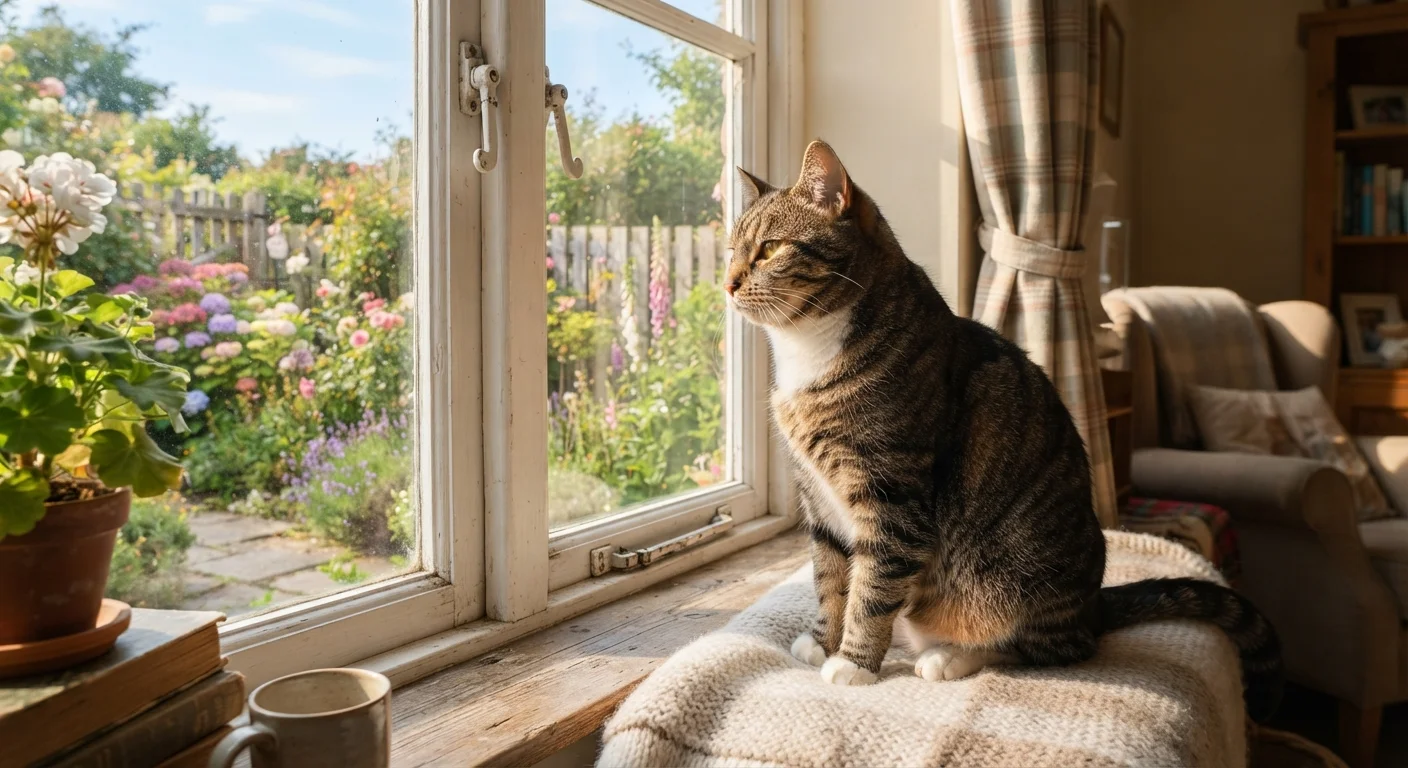
Photo credit: InGlimpse.com | Where Curiosity Finds Answers
In this article
A balanced look at the risks and benefits of each lifestyle, drawing on veterinary research and animal welfare guidelines.
Key Takeaways
- Indoor cats live significantly longer on average than outdoor or free-roaming cats.
- Outdoor access exposes cats to vehicles, predators, disease, and parasites.
- Indoor cats face risks of obesity, boredom, and stress without adequate enrichment.
- Supervised outdoor time and enriched indoor environments can offer a middle ground.
- Vaccination and parasite prevention needs differ based on a cat's lifestyle.
Significantly longer average lifespan indoors
Indoor cats are shielded from the leading causes of early feline death, including road accidents and infectious disease from fighting, contributing to lifespans two to four times longer than free-roaming cats.
Lower exposure to parasites and infectious disease
Without contact with other cats or wildlife, indoor cats face dramatically reduced risk of FIV, FeLV, rabies, and common parasites like fleas and intestinal worms.
Easier monitoring of health and behavior changes
Owners of indoor cats tend to notice changes in appetite, litter box habits, or mobility sooner, enabling earlier veterinary intervention.
Reduced environmental and wildlife impact
Free-roaming cats are estimated to kill billions of birds and small mammals annually in the US; keeping cats indoors eliminates this ecological pressure entirely.
High risk of vehicle collisions outdoors
Traffic represents one of the most common causes of traumatic injury and death in outdoor cats, particularly in suburban and urban settings.
Elevated disease transmission risk
Contact with unfamiliar cats during fights or mating is the primary route of FIV and FeLV transmission, both of which are incurable and life-shortening.
Predation and territorial conflict hazards
Outdoor cats face injury or death from dogs, coyotes, and other wildlife, as well as wounds from fights with other cats that frequently lead to abscesses.
Toxic exposure is difficult to control
Outdoor cats may encounter rodenticides, antifreeze, toxic plants, or poisons set by neighbors, none of which owners can monitor or prevent.
The Lifespan Gap Is Real
Research consistently finds a striking difference in life expectancy between indoor-only and outdoor cats. Indoor cats typically live anywhere from 12 to 18 years, while outdoor or free-roaming cats average just 2 to 5 years, according to estimates cited by multiple veterinary organizations. That gap isn't statistical noise — it reflects the cumulative effect of outdoor hazards encountered over a lifetime.
The leading causes of premature death in outdoor cats include vehicle collisions, attacks by dogs or wildlife, infectious disease transmission, and poisoning from toxins or rodenticides. These risks are largely absent for cats kept inside. Indoor cats are also more likely to receive regular veterinary attention, which means conditions like dental disease, kidney disease, and hyperthyroidism are caught earlier.
12–18 yrs
Typical indoor cat lifespan
Veterinary organizations commonly cite this range for indoor-only cats receiving routine care.
2–5 yrs
Average outdoor cat lifespan
Free-roaming and feral cats face acute hazards that dramatically compress their expected lifespan compared to indoor counterparts.
~50%
Cats classified as overweight or obese
Studies from veterinary associations suggest roughly half of US pet cats are overweight, a condition closely linked to sedentary indoor lifestyles without enrichment.
Outdoor Access: Benefits and Documented Risks
Proponents of outdoor access argue — with some justification — that it supports natural behavior. Cats are predators with strong instincts to stalk, climb, and patrol territory. Time outdoors can reduce frustration-based behaviors and provide sensory stimulation that is difficult to fully replicate indoors.
High risk of vehicle collisions outdoors
Traffic represents one of the most common causes of traumatic injury and death in outdoor cats, particularly in suburban and urban settings.
Elevated disease transmission risk
Contact with unfamiliar cats during fights or mating is the primary route of FIV and FeLV transmission, both of which are incurable and life-shortening.
Predation and territorial conflict hazards
Outdoor cats face injury or death from dogs, coyotes, and other wildlife, as well as wounds from fights with other cats that frequently lead to abscesses.
Toxic exposure is difficult to control
Outdoor cats may encounter rodenticides, antifreeze, toxic plants, or poisons set by neighbors, none of which owners can monitor or prevent.
That said, the risks are substantial and well-documented. Outdoor cats are primary vectors for FIV and FeLV, both spread through bites during fights. They also carry higher parasite burdens — fleas, ticks, and intestinal worms — that can affect human household members as well. For owners weighing which vaccines their cat needs, lifestyle is a key factor veterinarians use to determine non-core vaccine recommendations.
The Indoor Cat's Hidden Challenges
Indoor living eliminates most acute dangers, but it introduces a different category of welfare concern: chronic understimulation. Cats confined to static environments without adequate play, vertical space, or social interaction can develop stress-related disorders, compulsive behaviors, or become sedentary and overweight.
Significantly longer average lifespan indoors
Indoor cats are shielded from the leading causes of early feline death, including road accidents and infectious disease from fighting, contributing to lifespans two to four times longer than free-roaming cats.
Lower exposure to parasites and infectious disease
Without contact with other cats or wildlife, indoor cats face dramatically reduced risk of FIV, FeLV, rabies, and common parasites like fleas and intestinal worms.
Easier monitoring of health and behavior changes
Owners of indoor cats tend to notice changes in appetite, litter box habits, or mobility sooner, enabling earlier veterinary intervention.
Reduced environmental and wildlife impact
Free-roaming cats are estimated to kill billions of birds and small mammals annually in the US; keeping cats indoors eliminates this ecological pressure entirely.
Obesity is a particular concern. A cat that spends most of its day sleeping without opportunities to "hunt" for food or engage in vigorous play is at elevated risk for diabetes, arthritis, and liver disease. Nighttime activity bursts that frustrate owners are often a sign of unmet physical and behavioral needs — a cat's natural energy finding an outlet. Understanding why cats engage in attention-seeking behaviors can help owners respond with enrichment rather than frustration.
Enrichment Is Not Optional for Indoor Cats
Veterinary behaviorists recommend providing indoor cats with multiple daily play sessions using interactive toys, puzzle feeders, vertical climbing structures, and window perches with outdoor views. These are not luxuries — they are welfare necessities that reduce stress, prevent obesity, and support normal predatory behavior in an artificial environment.
Practical Middle-Ground Options
For owners who want to offer outdoor stimulation without free-roaming risk, several structured approaches are widely recommended by veterinary behaviorists. Enclosed catios — screened outdoor enclosures attached to the home — allow fresh air and wildlife observation without exposure to traffic or other cats. Harness and leash training, started gradually from kittenhood, is another option that gives cats direct outdoor time under supervision.
Whatever lifestyle you choose, preventive care remains essential. Routine veterinary visits don't have to break the bank, and they're among the highest-value investments you can make for a cat's long-term health. Nutrition also plays a role — a properly hydrated, protein-appropriate diet supports cats at every activity level. See our overview of wet versus dry food trade-offs for context on meeting feline dietary needs.
This article provides general pet care information and is not a substitute for personalized veterinary advice. Consult your veterinarian to determine the lifestyle and preventive care plan best suited to your individual cat.

Author
Pets Editorial Team
Pets Editorial Team is the collective byline for our editorial team and contributor network. Articles published under this byline or an editorial pen name are researched, written, and reviewed according to our editorial standards for clarity, consistency, and independence before publication.
View all articles →