
Renter-Friendly Decorating: What You Can (and Can't) Change
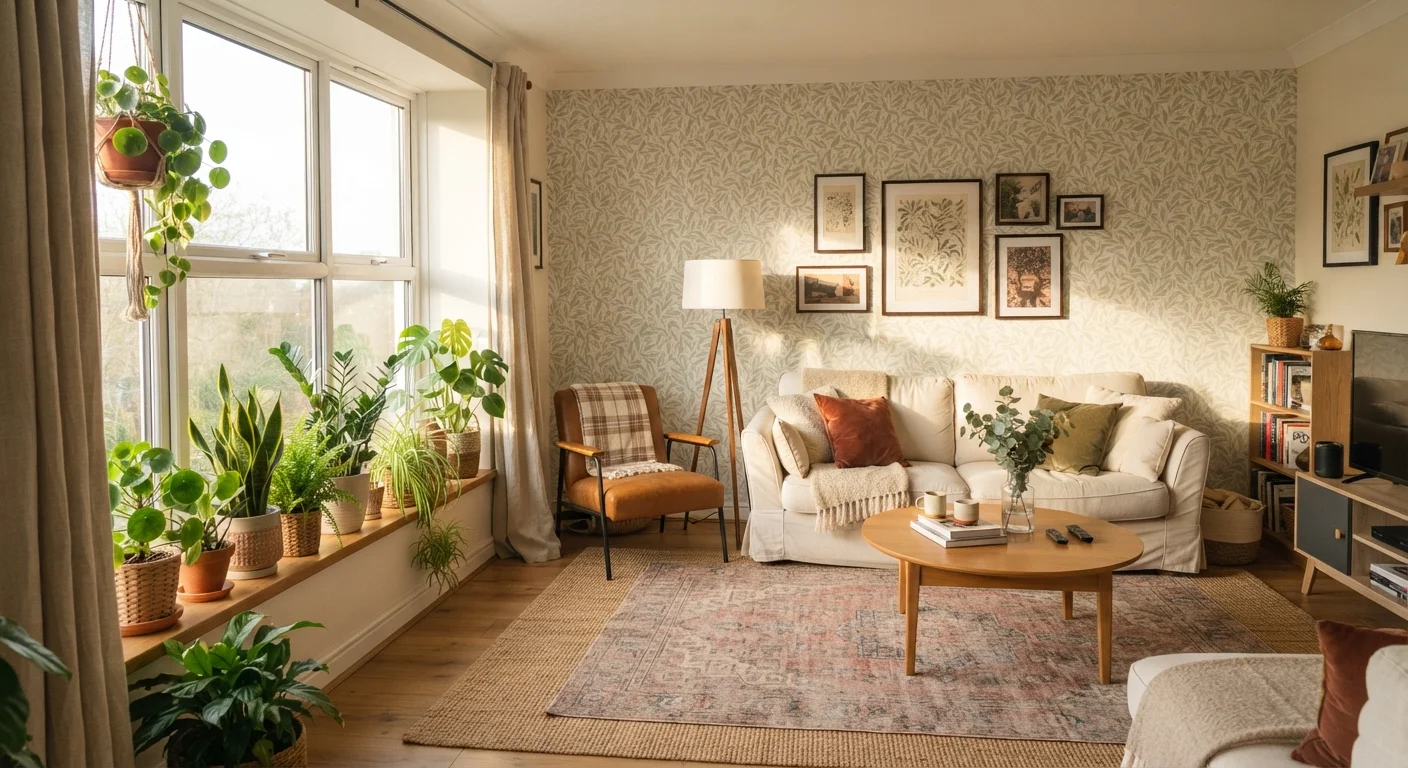
Photo credit: InGlimpse.com | Where Curiosity Finds Answers
In this article
Renting doesn't mean living in a blank space. Explore decor approaches that make an impact without risking your security deposit.
Key Takeaways
- Always read your lease before making any decorating changes, even seemingly minor ones.
- Removable products like peel-and-stick wallpaper and adhesive hooks let you personalize without permanent damage.
- Some changes — like painting or installing shelves — typically require written landlord approval.
- Layering textiles, lighting, and freestanding furniture transforms a space without touching the walls.
- Document the unit's condition with photos before moving in and before you move out.
Know Your Lease Before You Hang Anything
Your lease is the single most important document for renter decorating decisions. Before buying a single throw pillow or roll of peel-and-stick wallpaper, read it thoroughly — particularly any clauses about alterations, nail holes, painting, and the condition you're expected to return the unit in.
Most standard leases require tenants to leave the unit in the same condition it was found, allowing for normal wear and tear. What counts as "normal" varies by state and sometimes by judge, so the safest approach is to treat that standard conservatively.
Document Everything at Move-In
When you move in, photograph every wall, floor, and surface in good light. Store those photos somewhere you won't lose them — cloud storage works well. Those images are your best protection if a landlord disputes damage at move-out.
When you move in, photograph every wall, floor, and surface in good light. Store those photos somewhere you won't lose them — cloud storage works well. Those images are your best protection if a landlord disputes damage at move-out.
What You Can Almost Always Change
A surprising amount of meaningful decorating falls entirely within a renter's rights, no landlord conversation needed.
Normal wear and tear
Minor deterioration that happens through everyday use — small scuffs, faded paint, or carpet compression. Most leases allow this; damage beyond this threshold can be charged against your deposit.
Security deposit
An upfront payment held by your landlord that covers any damage you cause beyond normal wear and tear. Returned to you (in full or in part) when you move out, depending on the unit's condition.
Lease addendum
A written addition to your lease that documents a specific agreement — like permission to paint — between you and your landlord. It carries the same legal weight as the original lease.
Removable wallpaper
A peel-and-stick wall covering designed to be applied and removed without leaving adhesive residue or damaging the surface beneath, making it popular for rentals.
Tension rod
A spring-loaded curtain rod that holds itself in place by pressing against two opposing surfaces — no drilling or hardware required.
- Furniture arrangement: Completely yours to decide. A thoughtfully arranged room reads as polished even with basic furnishings. Check out our guide on decorating a small living room for layout ideas that work in tight spaces.
- Area rugs: One of the highest-impact moves available to renters. Rugs define zones, add warmth, and cover less-than-perfect flooring — all reversibly.
- Window treatments on existing hardware: Swapping out curtains or adding sheers to existing rods is generally fine. Just keep the originals safely stored so you can rehang them when you leave.
- Freestanding shelving and furniture: Bookcases, ladder shelves, and storage cubes require no wall contact and can transform blank walls visually.
- Lighting: Swapping a landlord-provided light fixture is more complex (see gray areas below), but adding floor lamps, table lamps, and plug-in pendant lights is almost always unrestricted.
- Removable wallpaper and decals: Quality peel-and-stick products have improved considerably and can add pattern or texture to an accent wall without permanent adhesive. Always test a small patch first.
The Gray Areas: Proceed With Permission
Some changes fall into a middle zone — they may be allowed, but only with explicit landlord approval. Never assume these are okay without checking.
Always Get Approval in Writing
A verbal "yes" from a landlord is difficult to prove and easy to dispute later. Any permission for modifications — painting, drilling, fixture swaps — should be confirmed by email or a written lease addendum. This protects you as much as it protects the landlord, and most reasonable landlords won't object to formalizing an agreement they've already made.
- Painting: Many landlords will allow painting if you agree to repaint the original color before leaving, or if they pre-approve the new color. Get this in writing before buying a drop cloth.
- Mounting hardware for shelves or TVs: Drilling into walls to mount shelves or a television bracket leaves holes that may exceed normal wear and tear. Some landlords allow this; others don't. Ask first and document the approval.
- Replacing light fixtures: Swapping a builder-grade fixture for something more stylish involves working with electrical connections — which in many jurisdictions requires a licensed electrician. If you do get approval, keep the original fixture to reinstall before you move out.
- Installing curtain rods: If there's no existing hardware, adding new curtain rod brackets means drilling. A lightweight tension rod avoids this issue entirely for lighter curtains.
When in doubt, a quick written message to your landlord asking permission costs nothing and protects you significantly.
What to Avoid Without Written Approval
Some decorating moves carry a high risk of deposit deductions or lease violations if done without written consent.
These Changes Can Cost You Your Deposit
Permanent alterations — like traditional wallpaper, glue-down flooring, or removing built-in features — are frequently cited in deposit disputes. If you're unsure whether something counts as an alteration under your specific lease, ask your landlord in writing before proceeding. The cost of replacing or reversing unapproved changes almost always exceeds the decorating benefit.
- Removing built-in features: Taking out closet shelving, cabinet doors, or built-in hardware — even temporarily — is generally considered an alteration and can be treated as damage.
- Applying permanent wallpaper or contact paper to walls: Traditional wallpaper and even some adhesive-backed papers can pull paint or drywall when removed. Stick to products explicitly labeled removable and test first.
- Installing permanent flooring: Laying tile, hardwood, or glue-down vinyl over existing flooring without approval is a significant alteration that most landlords will charge to reverse.
- Altering plumbing or gas fixtures: This falls outside decorating entirely and into permitted work territory. Leave it to licensed professionals and always get landlord sign-off.
Making It Feel Like Home Without Overstepping
The most effective renter decorating focuses on what fills a space rather than what's done to it. Layering textiles — a rug, throw blanket, and cushions in a cohesive palette — creates warmth that paint alone rarely achieves. Greenery, whether real or high-quality artificial, adds life to any room at low cost and zero risk.
Thinking about your space as a whole rather than room by room also pays off. Our piece on why decorating rooms in isolation backfires explains how a connected approach creates a more pulled-together feel. For a practical audit of where small changes will matter most, the room-by-room decor refresh checklist is a useful starting point.
Finally, don't let constraints become a creative block. Working within limits often produces more intentional, personality-driven spaces than a blank check would. The goal is a home that feels genuinely yours — and a deposit that comes back intact.
Frequently Asked Questions

Author
Home Editorial Team
Home Editorial Team is the collective byline for our editorial team and contributor network. Articles published under this byline or an editorial pen name are researched, written, and reviewed according to our editorial standards for clarity, consistency, and independence before publication.
View all articles →