Speed Limits: Advisory, Posted, and Prima Facie — What the Differences Mean
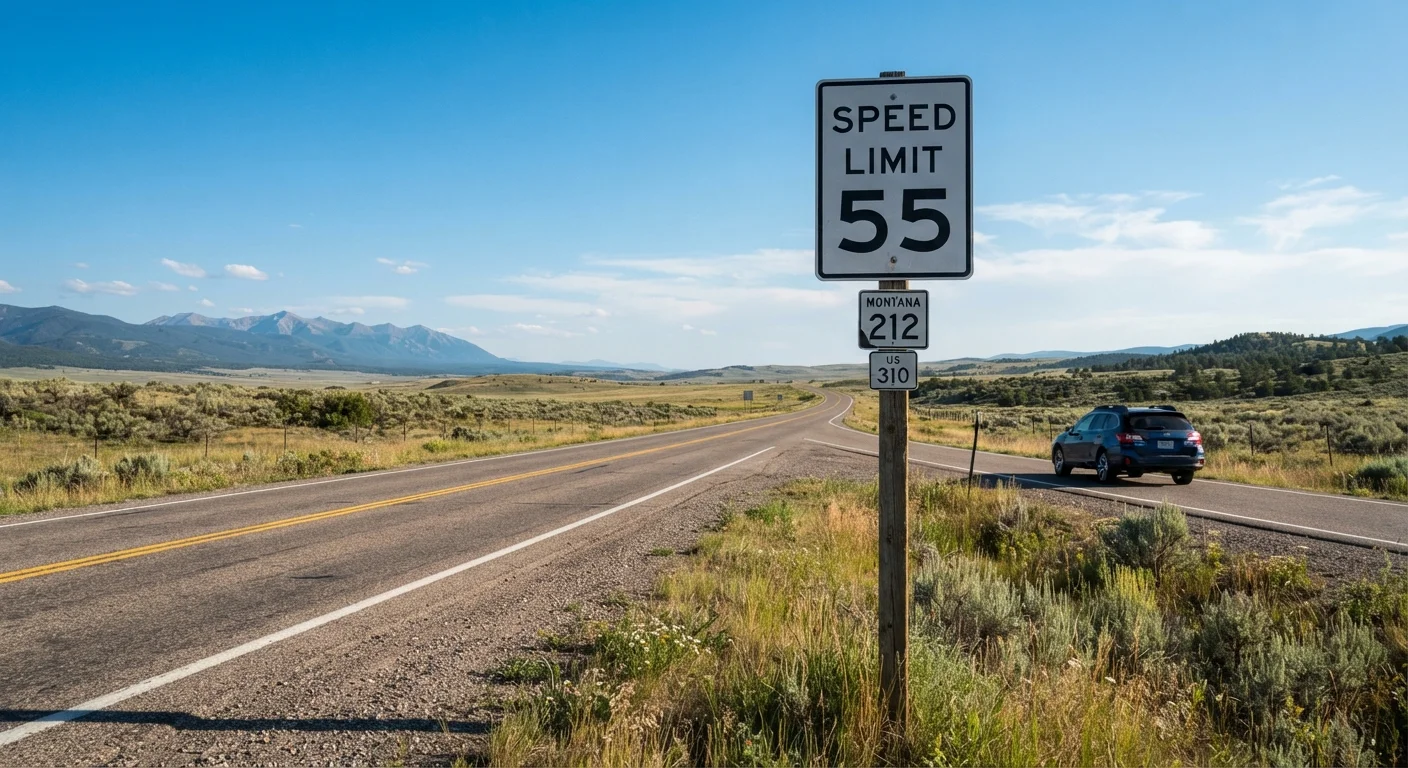
Photo credit: InGlimpse.com | Where Curiosity Finds Answers
In this article
Not all speed limits work the same way. This reference explains the three main types used across U.S. roads and what each legally means.
Three Types of Speed Limits, Explained
Most drivers assume a speed limit is a speed limit — a number on a sign that defines exactly how fast you can legally go. The reality is more layered. U.S. roads use three distinct categories of speed limits, each carrying different legal weight and applying under different circumstances. Understanding the differences matters both for staying legal and for driving safely.
| Types of U.S. Speed Limits | 3 main types: posted, advisory, and prima facie |
| Typical U.S. Interstate Speed Range | 65–80 mph (varies by state) (FHWA, general reference) |
| Typical Residential Posted Limit | 25–30 mph |
| Advisory Sign Color | Yellow diamond (MUTCD standard) |
| Prima Facie Limit Enforceability | Legally presumed unsafe if exceeded; rebuttable in court |
For a broader look at how speed awareness fits into everyday driving habits, see our guide on defensive driving principles.
Posted Speed Limits
Posted speed limits are the numbers displayed on the white rectangular signs you see along roads and highways. These are absolute limits established by state or local law. Driving above a posted limit is a violation regardless of road conditions — even if traffic is light, visibility is perfect, and your vehicle is fully capable of handling higher speeds.
Most states set posted limits based on engineering studies, traffic volume, road geometry, and adjacent land use. Interstate highways commonly carry limits between 65 and 80 mph. Residential streets are typically posted at 25–30 mph. School zones often drop to 15–20 mph during active hours.
Because posted limits are statutory, enforcement is straightforward: exceeding the number on the sign — even by a small margin — gives an officer grounds to issue a citation. Some states do allow officers discretion on minor overage, but that's not something a driver can rely on.
Road signs and their legal meanings are worth reviewing in full, since posted speed signs interact with other regulatory signs like minimum speed limits and speed zone warnings.
Advisory Speed Limits
Advisory speed limits are the yellow diamond-shaped signs with a suggested speed — typically seen before sharp curves, ramps, intersections, or other specific hazard zones. Unlike posted limits, advisory speeds are not legally enforceable as a fixed ceiling. They communicate the speed at which engineers determined the average vehicle can safely navigate that particular feature under normal conditions.
Driving above an advisory speed is not automatically illegal, but it can become a legal liability. If a driver exceeds the advisory speed and loses control or contributes to a crash, that decision may factor into fault determinations. In practical terms: treat advisory speeds as a meaningful engineering recommendation, not a suggestion you can ignore.
Advisory Speeds Aren't Optional in Bad Conditions
Advisory speed signs are calibrated for normal, dry conditions. In rain, fog, ice, or heavy traffic, the safe speed through a curve or ramp may be considerably lower than what the sign shows. Conditions always take precedence — slow further when conditions demand it.
Advisory speeds are especially common on freeway on-ramps and tight highway curves. Highway and city roads present different risks, and advisory signs are part of the communication system that flags where those risks spike.
Prima Facie Speed Limits
Prima facie speed limits — sometimes called presumed or statutory limits — operate differently from both posted and advisory limits. A prima facie limit is a legally defined default speed that applies to a category of road even when no sign is present. In California, for example, state law sets a prima facie limit of 25 mph in business and residential districts and 15 mph in alleys, regardless of posted signage.
The term prima facie comes from Latin meaning "at first appearance." In legal terms, exceeding a prima facie limit creates a presumption that the driver was traveling at an unsafe speed — but unlike an absolute posted limit, a driver can theoretically argue in court that their actual speed was safe for the conditions. In practice, this defense is difficult to mount successfully.
Not every state uses prima facie limits. Many rely entirely on posted signs, with state law filling in gaps only for highly specific contexts like school crossings or construction zones. Drivers moving between states should be aware that the default rules can differ significantly.
Posted Speed Limit
An absolute maximum speed set by law and displayed on a white regulatory sign. Exceeding it is a traffic violation regardless of road conditions.
Advisory Speed Limit
A recommended speed for a specific road feature such as a curve or ramp, displayed on a yellow diamond-shaped sign. It is not a hard legal ceiling but carries safety and liability significance.
Prima Facie Speed Limit
A default speed limit established by state statute that applies to a class of road even without a posted sign. It creates a legal presumption of unsafe speed if exceeded, but can in theory be rebutted in court.
Absolute Limit
A speed threshold that cannot be exceeded under any circumstance without violating the law. Posted speed limits on most U.S. roads function as absolute limits.
Engineering Study
A technical analysis of road geometry, traffic patterns, and conditions used by transportation agencies to set appropriate posted speed limits.

Author
Autos Editorial Team
Autos Editorial Team is the collective byline for our editorial team and contributor network. Articles published under this byline or an editorial pen name are researched, written, and reviewed according to our editorial standards for clarity, consistency, and independence before publication.
View all articles →