
Skin Types Explained: Oily, Dry, Combination, and Sensitive
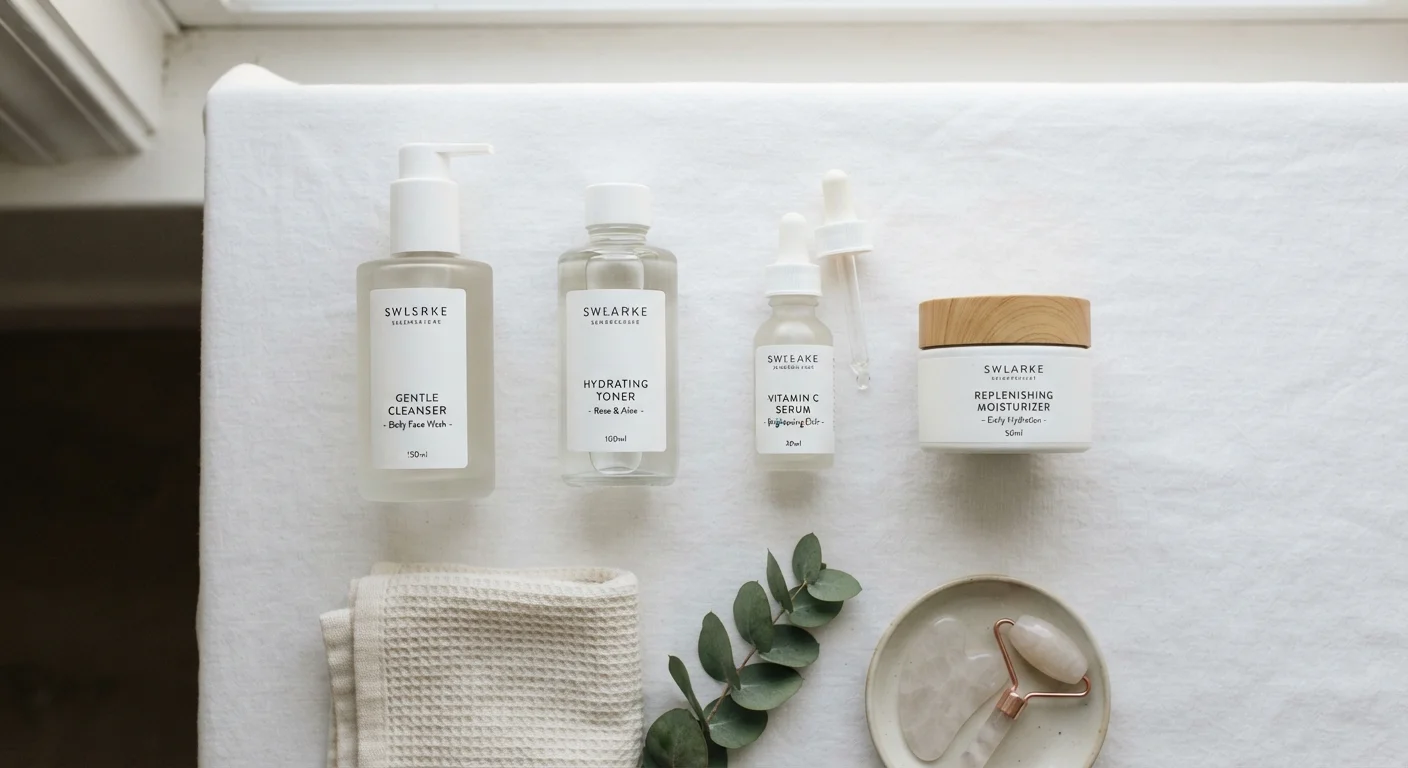
Photo credit: InGlimpse.com | Where Curiosity Finds Answers
In this article
Understand the four main skin types, how to identify yours, and why it matters for choosing the right skincare products.
Key Takeaways
- There are four widely recognized skin types: oily, dry, combination, and sensitive.
- Your skin type can change over time due to age, environment, and hormonal shifts.
- A simple at-home blotting test can help you identify your skin type.
- Sensitive skin is a reactivity trait that can overlap with any of the other three types.
- Using products formulated for your skin type reduces the risk of irritation, breakouts, or dryness.
Why Knowing Your Skin Type Matters
Walk down any skincare aisle and you'll find products labeled for every possible skin concern. Without knowing your skin type, choosing among them is essentially guesswork — and the wrong formula can cause breakouts, irritation, or dryness even if the product is high quality. Your skin type is the single most useful piece of information you can bring to any skincare decision.
Skin type is not a fixed label you receive once and keep forever. It reflects the current state of your skin's oil production, moisture levels, and reactivity. These factors shift with age, seasons, diet, and hormonal changes, which is why a routine that worked perfectly in your twenties may feel inadequate a decade later. For a deeper look at how those decade-by-decade shifts unfold, see how skin priorities change with age.
~50%
Adults who report combination skin
Combination skin is widely considered the most prevalent skin type among adults, though exact figures vary across dermatology surveys.
~60–70%
People with some degree of skin sensitivity
Studies published in dermatology literature suggest a majority of adults self-report some level of skin sensitivity, though clinical sensitivity is less common.
The Four Main Skin Types
Oily Skin
Oily skin is characterized by excess sebum (the skin's natural oil) production across most or all of the face. It often appears shiny, especially by midday, and is more prone to enlarged pores and acne breakouts. Despite the extra oil, oily skin still needs hydration — just in lighter, non-comedogenic formulas that won't block pores.
Dry Skin
Dry skin produces less sebum than average, leaving it feeling tight, rough, or flaky — particularly after cleansing. It may look dull and can be more prone to fine lines becoming visible earlier. Rich moisturizers and gentle, non-stripping cleansers are the cornerstones of a dry skin routine. Supporting the skin barrier is especially important; learn why the skin barrier matters more than you might think.
Combination Skin
Combination skin features an oily T-zone — the forehead, nose, and chin — alongside normal or dry cheeks. It's arguably the most common skin type and one of the trickiest to manage, since different areas of the face may need different levels of hydration. Some people find it helpful to use a lightweight moisturizer everywhere and a richer formula only on drier areas.
Sensitive Skin
Sensitive skin isn't about oil levels — it's about reactivity. Sensitive skin flushes, stings, or breaks out easily in response to products, weather, or stress. It can overlap with any of the other three types. People with sensitive skin benefit from fragrance-free, minimal-ingredient formulas, and should patch-test new products before applying them to the entire face.
Patch-Test Before You Commit
Whenever you add a new product to your routine, apply a small amount to the inside of your wrist or behind your ear for two to three days before using it on your face. This is especially important for sensitive or combination skin types. A short patch test can save you from a full-face reaction.
How to Identify Your Skin Type
The most reliable at-home method is the bare-face test. Cleanse your face with a gentle, unfragranced cleanser, pat dry, and leave your skin completely bare for 60 minutes — no moisturizer, serum, or toner. Then assess what you see and feel:
- Shiny all over: Oily skin
- Tight, rough, or flaky: Dry skin
- Shiny only on the forehead, nose, and chin: Combination skin
- Redness, itching, or stinging after cleansing: Sensitive skin (may overlap with any of the above)
You can also use a clean blotting sheet on different zones of your face immediately after the hour is up — oil on the sheet indicates active sebum production in that area. This is a useful way to map combination skin more precisely.
Skin Type vs. Skin Condition
Skin type describes your skin's baseline behavior, while a skin condition — like acne, rosacea, or eczema — is a separate clinical concern that can occur alongside any skin type. If you suspect a skin condition rather than simply a challenging skin type, consult a board-certified dermatologist for a proper assessment.
Once you know your skin type, it becomes much easier to evaluate which products and routines are appropriate for you. For example, understanding how ingredients interact with different skin types is key to building an effective layering routine — see how product order affects results for practical guidance. Similarly, exfoliation methods vary significantly by skin type — physical vs. chemical exfoliation explained can help you choose the right approach.
Frequently Asked Questions

Author
Style Editorial Team
Style Editorial Team is the collective byline for our editorial team and contributor network. Articles published under this byline or an editorial pen name are researched, written, and reviewed according to our editorial standards for clarity, consistency, and independence before publication.
View all articles →