
Building a Minimal Skincare Routine That Still Works
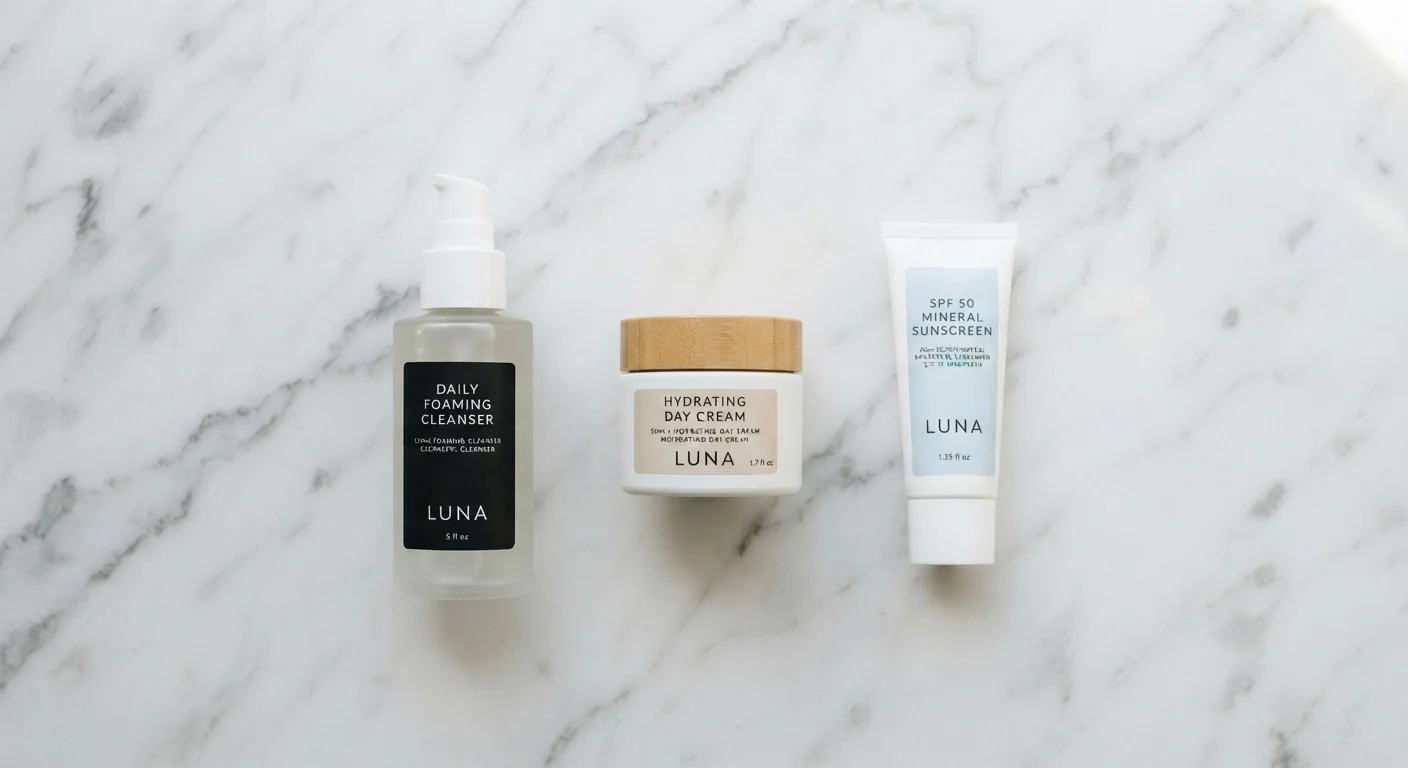
Photo credit: InGlimpse.com | Where Curiosity Finds Answers
In this article
A five-step routine isn't always better than three. Here's how to identify the essential steps and cut everything else without sacrificing results.
Key Takeaways
- A three-step routine — cleanse, moisturise, protect — covers the essentials for most skin types.
- More products do not automatically mean better results; ingredient overlap and irritation are real risks.
- Sunscreen is the single most evidence-backed step in any daytime skincare routine.
- Skin type and concerns should drive product selection, not marketing trends.
- Consistency with a simple routine outperforms sporadic use of a complex one.
Why Fewer Steps Can Be More Effective
The skincare industry has a vested interest in convincing consumers that more steps equal better skin. In reality, layering too many products raises the risk of ingredient conflicts, barrier disruption, and product-induced breakouts — sometimes called comedogenic reactions (pore-clogging responses to certain formulas). Dermatologists routinely point out that a stripped-back routine applied consistently tends to outperform an elaborate one used haphazardly.
The goal of a minimal routine isn't frugality for its own sake — it's precision. You keep only the steps that do meaningful work for your specific skin, and you drop the rest. That shift in mindset is the foundation of everything that follows. If you're curious how a minimal approach plays out across different seasons, our seasonal skincare adjustment guide offers a practical framework for tweaking what you use as conditions change.
Before reaching for the checklist below, gather the products you currently use and set them on a flat surface. This audit works best when you can see everything at once.
Gentle Cleanser
Removes surface dirt, excess oil, and pollutants without stripping the skin's protective moisture barrier.
Moisturiser
Replenishes and seals in hydration to maintain a healthy skin barrier and prevent transepidermal water loss.
Broad-Spectrum Sunscreen (SPF 30+)
Protects against UVA and UVB radiation, the leading environmental driver of premature skin ageing and sun damage.
Micellar Water or Makeup Remover
Pre-cleanse step to remove makeup or heavy sunscreen before your main cleanse, useful if wearing full-coverage products.
Targeted Treatment (e.g. retinoid or vitamin C serum)
Addresses a specific concern such as uneven tone or fine lines; introduced only once the three core steps are established.
The Minimal Routine Checklist
Use the groups below to audit your existing routine or build one from scratch. Priority levels are marked for each item: must items are non-negotiable for skin health, should items are strongly recommended, and nice-to-have items are optional enhancements worth considering once the basics are solid.
Audit Your Current Products
Build Your Core Three Steps
Evaluate Add-Ons Honestly
Sustain and Reassess
Don't Layer Actives Before Mastering the Basics
Retinoids, AHAs, BHAs, and vitamin C serums are powerful tools, but introducing them before a stable, consistent base routine is in place often leads to irritation and barrier damage. Start with the core three steps — cleanse, moisturise, protect — and use them consistently for at least a month before considering any active treatment. If your skin is reactive or you have a diagnosed condition, speak with a dermatologist before adding any active ingredient.
One common trap is building a routine around actives — retinoids, exfoliating acids, vitamin C serums — before the basics are in place. Actives are optional enhancements, not foundations. Our guide on habits that quietly undermine a good skincare routine covers exactly how mixing incompatible ingredients and over-using actives can quietly reverse the progress you're making.
For guidance on what order to apply the products you do keep, see our piece on layering skincare products in the right order.
Tailoring the Routine to Your Skin Type
Skin type — oily, dry, combination, sensitive, or normal — should guide every product decision you make within a minimal routine. Here's a quick reference:
- Oily skin: A gel or foaming cleanser, a lightweight oil-free moisturiser, and a non-comedogenic SPF are usually sufficient. Skipping moisturiser because skin feels oily often backfires, triggering more sebum production.
- Dry skin: A cream or milky cleanser preserves more of the skin's natural oils. A richer moisturiser with humectants like hyaluronic acid and occlusives like shea or ceramides helps maintain moisture levels.
- Sensitive skin: Fragrance-free, minimal-ingredient formulas reduce the chance of reactions. Patch-testing (applying a small amount to the inner arm for 24–48 hours before full use) is strongly advisable before introducing any new product.
- Combination skin: A balanced, gentle cleanser and a medium-weight moisturiser typically work across zones without over-stripping or over-hydrating.
Your AM and PM needs also differ more than many people realise. The morning vs. evening skincare guide explains why daytime protection and overnight repair call for different approaches — useful reading once your minimal base is established.
Sunscreen Is Not Optional
Daily broad-spectrum sunscreen is the most evidence-supported step in a skincare routine, regardless of weather, skin tone, or whether you plan to spend time outdoors. UV radiation penetrates windows and is present year-round. Skipping it consistently is the single fastest way to undermine every other step in your routine. SPF 30 or higher, applied every morning, is the standard general guidance from dermatology organisations — but consult a healthcare professional for guidance specific to your skin.
This article is for general informational and educational purposes only. It is not a substitute for advice from a qualified dermatologist or healthcare professional. If you have a skin condition, persistent irritation, or concerns about a product reaction, consult a licensed professional.

Author
Style Editorial Team
Style Editorial Team is the collective byline for our editorial team and contributor network. Articles published under this byline or an editorial pen name are researched, written, and reviewed according to our editorial standards for clarity, consistency, and independence before publication.
View all articles →