
Sulfates, Silicones, and Parabens in Hair Products: Reading Ingredient Labels
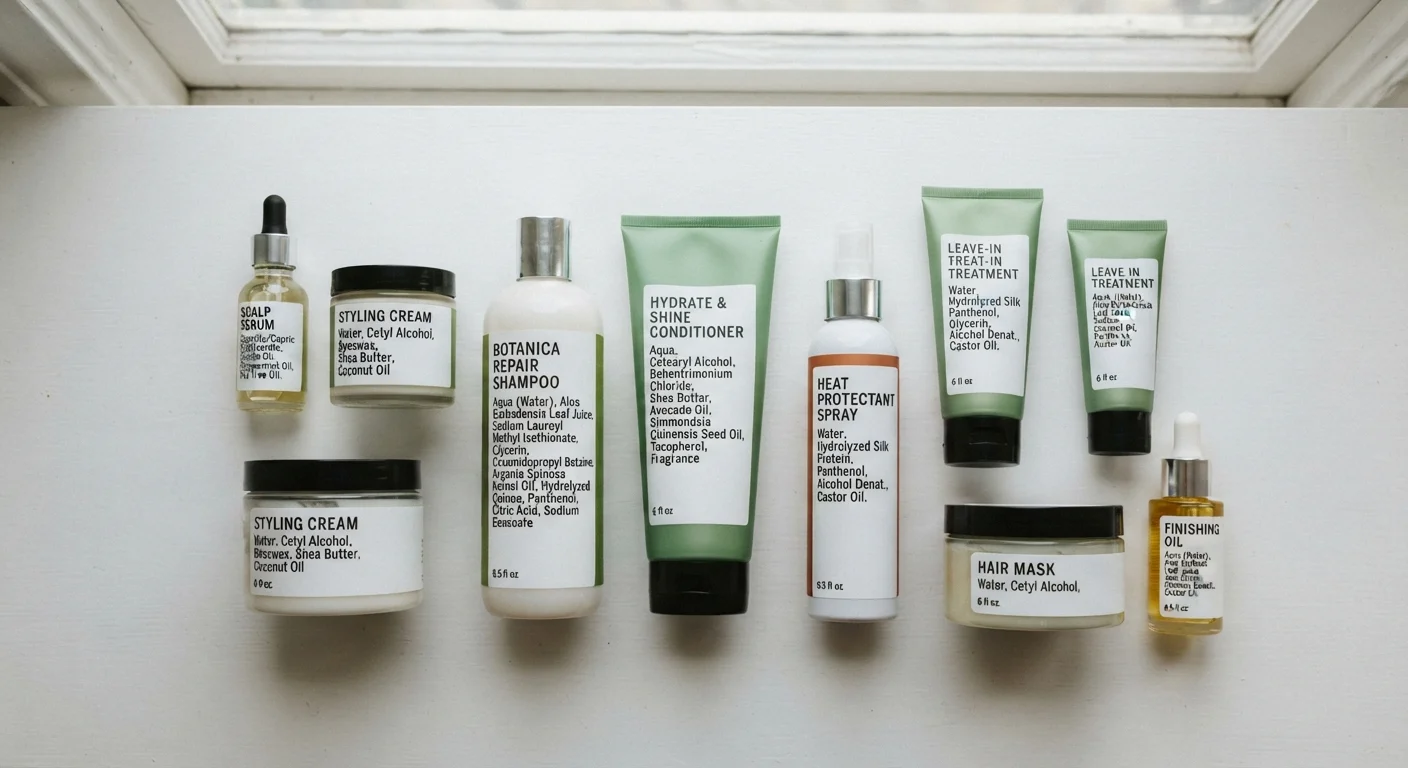
Photo credit: InGlimpse.com | Where Curiosity Finds Answers
In this article
Ingredient lists can be overwhelming. This reference breaks down the most debated hair care ingredients and what research says about each.
How to Read a Hair Product Ingredient List
Cosmetic ingredient lists in the U.S. follow regulations set by the FDA and use standardized INCI names — the global system for naming cosmetic ingredients. The first rule to know: ingredients are listed in descending order of concentration, down to 1%. Below 1%, manufacturers can list ingredients in any order.
That means the first five to seven ingredients typically make up the bulk of what you're applying. If water (aqua) is first and a plant extract is near the bottom, that extract is present in a very small amount — often less than you might expect from the marketing copy on the front label.
For a deeper look at how this same ordering principle applies across product categories, see our guide on reading a skincare ingredient label.
| Ingredient list order | Descending by concentration (down to 1%) (FDA cosmetic labeling regulations) |
| Most common sulfates | Sodium lauryl sulfate (SLS), Sodium laureth sulfate (SLES) |
| Silicone identifier suffixes | -cone, -conol, -siloxane, -xane |
| Most common parabens | Methylparaben, Propylparaben, Butylparaben |
| Regulatory body (U.S. cosmetics) | U.S. Food and Drug Administration (FDA) |
| Ingredients below 1% threshold | May be listed in any order by manufacturer (FDA cosmetic labeling regulations) |
Sulfates: The Cleansing Controversy
Sulfates are surfactants — cleansing agents that attract both water and oil, allowing them to rinse away dirt, sebum, and product buildup. The most common are sodium lauryl sulfate (SLS) and sodium laureth sulfate (SLES).
SLS is a stronger detergent and can strip the scalp of natural oils, potentially causing dryness or irritation in sensitive individuals. SLES is a milder derivative and is less likely to irritate, though both are effective cleansers. Research published in dermatology literature confirms that SLS can disrupt the skin barrier with repeated exposure, which is relevant for people with sensitive scalps, eczema, or seborrheic dermatitis.
That said, sulfates are not inherently dangerous for most people. For those with oily scalps or heavy styling product use, a sulfate-based shampoo may actually cleanse more effectively. For dry, color-treated, or chemically processed hair, gentler alternatives — such as cocamidopropyl betaine or sodium cocoyl isethionate — may be worth seeking out.
Surfactant
A cleansing agent that has both water-attracting and oil-attracting properties, allowing it to lift and rinse away dirt and grease. Most shampoos rely on one or more surfactants as their primary cleansing ingredient.
INCI Name
International Nomenclature of Cosmetic Ingredients — the standardized, globally recognized naming system used on cosmetic and personal care product labels. INCI names are often Latinized or scientific, which is why they can look unfamiliar.
Water-Insoluble Silicone
A category of silicone that does not rinse away easily with water alone, potentially accumulating on the hair shaft over repeated use. Dimethicone is the most common example.
Paraben
A class of chemical preservatives used in cosmetics to prevent bacterial and fungal growth. Common parabens include methylparaben and propylparaben, and they are identifiable by the -paraben suffix on ingredient labels.
Skin Barrier
The outermost protective layer of the skin (the stratum corneum) that prevents moisture loss and blocks external irritants. Harsh cleansing agents can disrupt this barrier, leading to dryness or sensitivity.
Buildup
The gradual accumulation of product residue — including waxes, silicones, or styling agents — on the hair shaft or scalp. Buildup can make hair feel heavy, dull, or difficult to moisturize.
Silicones: Smoothing Agents Under Scrutiny
Silicones coat the hair shaft to reduce frizz, add shine, and improve slip during detangling. Common examples include dimethicone, cyclomethicone, and amodimethicone. They end in -cone, -conol, -siloxane, or -xane — a useful pattern to recognize on labels.
The concern with certain silicones is buildup. Water-insoluble silicones (like dimethicone) can accumulate on the hair strand over time, potentially weighing hair down and creating a barrier that prevents moisture from penetrating. This matters most for people with fine hair or those following moisture-focused hair care routines.
Not all silicones behave the same way. Water-soluble silicones — such as PEG-modified dimethicone — rinse off more easily. Amodimethicone bonds selectively to damaged parts of the hair strand and is widely considered one of the more beneficial silicones for frizz control without excessive buildup. Understanding the full picture of conditioning products, including silicone-containing formulas, is covered in our companion article on conditioners, deep conditioners, and hair masks.
Parabens: Preservatives and the Evidence
Parabens — including methylparaben, propylparaben, and butylparaben — are among the most widely studied preservatives in cosmetics. They prevent the growth of bacteria and mold, which is critical for product safety and shelf life.
Public concern grew after early laboratory studies suggested parabens could mimic estrogen in the body. However, regulatory bodies including the European Scientific Committee on Consumer Safety and the U.S. FDA have repeatedly reviewed the evidence and, as of published findings, have not concluded that parabens in cosmetic products at typical concentrations pose a demonstrated health risk to consumers. The science continues to be studied and reviewed.
For those who prefer to avoid parabens regardless, alternatives include phenoxyethanol, sodium benzoate, and certain plant-derived antimicrobials. Be aware that "paraben-free" does not automatically mean better-preserved or safer — every preservative system has its own profile that researchers continue to evaluate.
"Free-From" Labels: What They Do and Don't Mean
Terms like "sulfate-free," "silicone-free," and "paraben-free" are marketing claims, not regulatory certifications in the U.S. There is no standardized FDA definition for these phrases on cosmetic labels. A product may be free of one ingredient class while containing other preservatives or surfactants that have their own trade-offs. Always read the full ingredient list rather than relying solely on front-label claims.
~85%
Of shampoos contain at least one sulfate surfactant
Industry formulation surveys consistently show sulfate-based surfactants dominate mainstream shampoo formulations globally.
1%
Threshold below which ingredient order is unrestricted
Per FDA cosmetic labeling rules, ingredients present at concentrations under 1% may be listed in any sequence after the primary ingredients.
Putting It All Together
No single ingredient is universally good or bad — context matters. Your scalp condition, hair type, water hardness, and styling habits all influence how a given formula will perform for you. A sulfate shampoo used once a week by someone with an oily scalp is a very different scenario than daily use on fine, dry hair.
When evaluating a product, focus on the first half of the ingredient list to understand its primary performance characteristics. Treat claims on the front of the bottle as marketing and the ingredient list on the back as the actual product specification. This applies equally whether you're evaluating shampoo, conditioner, or a leave-in treatment — as outlined in our comprehensive resource, A Full-Spectrum Look at Hair Care.
When in doubt about an ingredient's impact on a specific skin or scalp condition, a board-certified dermatologist can provide guidance tailored to your situation.
This article is for general informational and educational purposes only and is not intended as medical or dermatological advice. Consult a qualified healthcare professional for concerns about scalp conditions or ingredient sensitivities.

Author
Style Editorial Team
Style Editorial Team is the collective byline for our editorial team and contributor network. Articles published under this byline or an editorial pen name are researched, written, and reviewed according to our editorial standards for clarity, consistency, and independence before publication.
View all articles →