
Protective Styling: How It Works and When It Helps
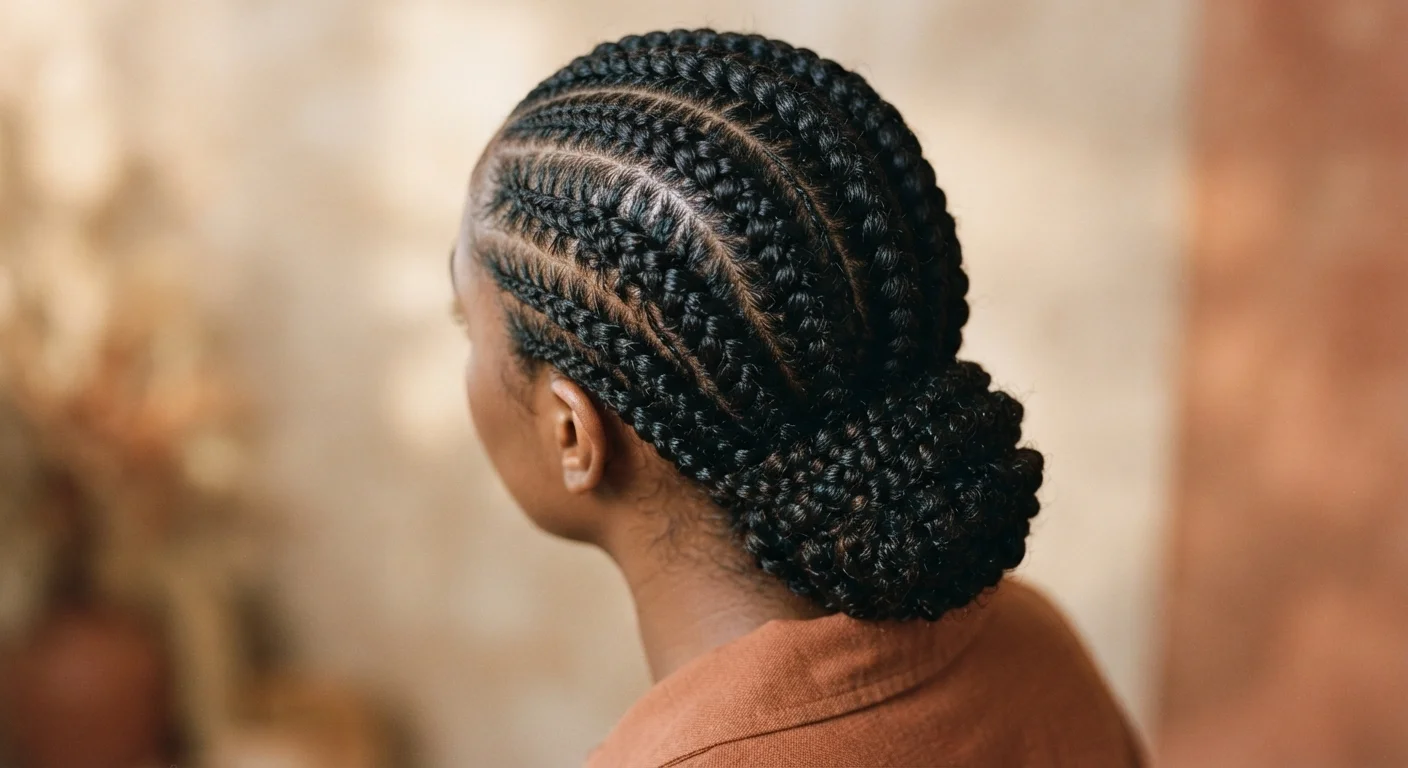
Photo credit: InGlimpse.com | Where Curiosity Finds Answers
In this article
Braids, twists, and updos can reduce breakage — but only under the right conditions. Learn what makes a style truly protective.
Key Takeaways
- Protective styles reduce breakage by minimizing daily manipulation and shielding fragile hair ends.
- A style is only truly protective if it doesn't cause tension at the scalp or hairline.
- Scalp care and moisture must continue while hair is styled — neglect undoes the benefit.
- Leaving a protective style in too long can cause matting, breakage, and scalp buildup.
- Most hair types can benefit from protective styling, not just textured or natural hair.
What Protective Styling Actually Does
Hair breaks most often at its ends. Those tips are the oldest, most weathered part of the strand — they've been through months or years of washing, brushing, heat, and environmental exposure. Protective styles address this by keeping ends tucked in and out of harm's way.
Beyond shielding ends, these styles dramatically cut down on daily manipulation. Every time you comb, brush, or restyle your hair, you create friction. Over time, that friction degrades the cuticle — the protective outer layer of each strand — making hair more prone to splitting and snapping. A well-executed protective style can reduce that friction to near zero for weeks at a time.
This is why protective styling is often discussed alongside length retention. Hair grows continuously, but if breakage outpaces growth, visible length never increases. Protective styles help tip that balance in your favor — not by accelerating growth, but by preserving what's already there. For more on growth myths, see how trimming and growth actually work.
90%
Of hair breakage occurs at the ends
Hair care researchers consistently identify the oldest, most exposed section of the strand as the most fragile and breakage-prone area.
~6 inches
Average annual hair growth per person
The American Academy of Dermatology notes that scalp hair grows roughly half an inch per month on average — making breakage prevention central to visible length retention.
What Qualifies — and What Doesn't
Not every low-effort hairstyle is truly protective. A style earns that label when it meets a few key criteria: it tucks the ends away, it requires minimal daily re-styling, and — critically — it doesn't create harmful tension on the scalp or hairline.
Common protective styles include box braids, cornrows, two-strand twists, flat twists, buns, and updos. Loose natural styles like wash-and-gos are sometimes called "low-manipulation" but don't always qualify as fully protective since the ends remain exposed.
What disqualifies a style? Tightness is the biggest culprit. A braid or weave installed with excessive tension can pull at the follicle, leading to soreness, thinning edges, or in persistent cases, traction alopecia — hair loss caused by repeated pulling. If your scalp hurts after installation, that style is working against you, not for you.
Test Tension Before Committing
When getting a protective style installed by someone else, speak up if you feel pulling or stinging at the scalp — especially near the edges and nape. A properly installed style should feel snug but not painful. Tightness that eases within an hour is normal; pain that lingers beyond a day is a warning sign worth taking seriously.
Caring for Hair While It's Protected
One of the most widespread misconceptions is that a protective style means hands-off hair care. In reality, the scalp and hair still need attention throughout the duration of the style.
Moisture is the top priority. Hair tucked away in braids or twists can become dry and brittle — especially if the style is worn for several weeks. Applying a lightweight oil or leave-in conditioner to the scalp and exposed strands every few days helps maintain elasticity and prevents the kind of dryness that leads to breakage upon removal.
Scalp cleansing also matters. Buildup from sweat, product, and sebum can irritate the scalp and weaken the follicle environment. A diluted cleansing solution applied carefully between braids, or a gentle scalp spray, keeps things balanced without disturbing the style.
For a broader foundation in healthy hair habits, building a complete hair care routine is a practical place to start.
Protein Balance Still Matters
Protective styling reduces mechanical damage, but it doesn't address your hair's protein-moisture needs on its own. If your strands feel weak or overly elastic before you style, it may be worth checking your protein and moisture balance first. Going into a protective style with already-compromised hair can worsen underlying issues rather than resolve them.
Timing, Removal, and What Comes After
Duration matters significantly. Wearing a protective style for two to eight weeks is a commonly cited range, though the right window depends on your hair type, the style, and how well you've maintained it. Beyond that range, the risks shift: hair can begin to mat or lock unintentionally, new growth can tangle with the style, and scalp buildup becomes harder to manage.
Removal deserves as much care as installation. Rushing the takedown — pulling out braids quickly or dry — causes the very breakage you worked to prevent. Saturate the hair with a detangling conditioner before and during removal, work in small sections, and be patient. For detailed guidance on safe detangling after removal, detangling without breakage walks through the process for every hair texture.
After removal, treat the hair to a thorough deep conditioning session. This restores moisture and elasticity before you move into your next style — whether that's another protective option or something more open. If you're weighing heat tools as your next step, heat styling without the damage explains how to do so with minimal harm.
Frequently Asked Questions

Author
Style Editorial Team
Style Editorial Team is the collective byline for our editorial team and contributor network. Articles published under this byline or an editorial pen name are researched, written, and reviewed according to our editorial standards for clarity, consistency, and independence before publication.
View all articles →