
Homeowners Insurance vs. Renters Insurance: Which One Applies to You
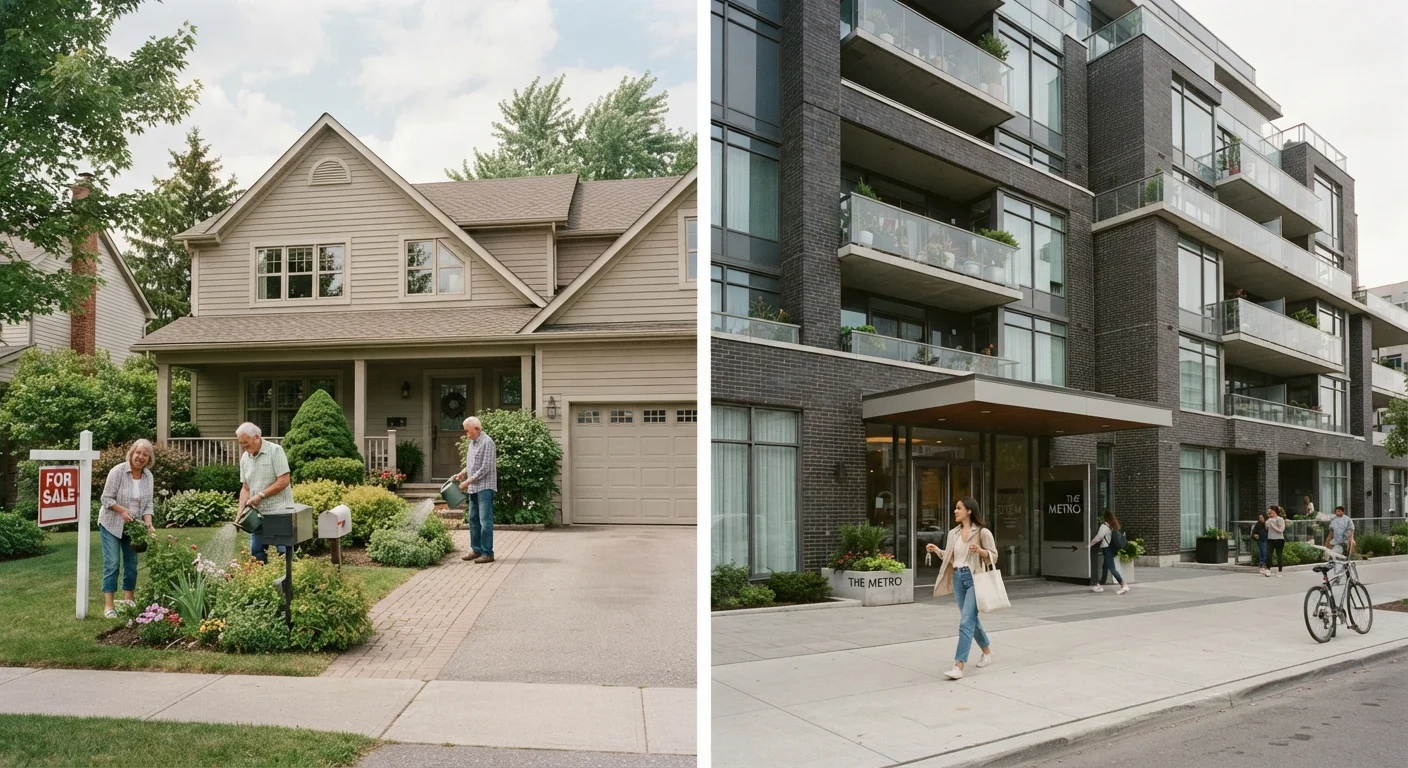
Photo credit: InGlimpse.com | Where Curiosity Finds Answers
In this article
Owning and renting come with different insurance needs. See how these two policy types differ in what they cover and who typically needs each one.
Key Takeaways
- Homeowners insurance covers the building structure; renters insurance does not — that falls on the landlord.
- Both policy types typically include personal property protection and personal liability coverage.
- Renters insurance is generally much less expensive than homeowners insurance.
- Mortgage lenders almost always require homeowners insurance; some landlords now require renters insurance.
- Neither standard policy covers floods or earthquakes — those require separate coverage.
The Core Difference: Who Owns the Building?
The single most important factor separating these two policy types is ownership of the structure. If you own your home, you are financially responsible for the building itself. If you rent, your landlord carries that responsibility — and their insurance covers the physical structure accordingly.
Homeowners insurance is built around this ownership reality. It typically protects the dwelling (the structure), attached structures like a garage, personal belongings inside the home, and personal liability if someone is injured on your property. It can also help cover additional living expenses if the home becomes temporarily uninhabitable after a covered event.
Renters insurance skips dwelling coverage entirely — you don't own the building, so there's nothing to insure in that category. Instead, it focuses on your personal property (furniture, electronics, clothing, and similar items), personal liability, and often additional living expenses if a covered loss forces you to stay elsewhere temporarily.
For a plain-language overview of how these terms connect to the broader insurance landscape, see Understanding Insurance From the Ground Up.
| Criterion | Homeowners Insurance | Renters Insurance |
|---|---|---|
| Covers the building structure | Yes | No |
| Covers personal belongings | Yes | Yes |
| Personal liability coverage | Yes | Yes |
| Additional living expenses | Yes | Yes |
| Flood or earthquake coverage | Not standard | Not standard |
| Typically required by | Mortgage lenders | Some landlords |
| Relative cost | Higher premiums | Generally lower premiums |
What Each Policy Typically Covers
Both policy types share some important coverage categories, which surprises many renters who assume insurance is only for homeowners.
Personal Property
Both homeowners and renters policies typically cover personal belongings — think furniture, appliances, clothing, and electronics — against named perils such as fire, theft, and certain water damage. Coverage limits and whether items are valued at replacement cost or actual cash value (which factors in depreciation) vary by policy, so reading the actual policy document matters.
Personal Liability
If a guest is injured in your home or you accidentally damage someone else's property, personal liability coverage can help pay for legal costs and damages. This coverage appears in both policy types.
Additional Living Expenses
If a covered event makes your residence uninhabitable, both policy types can help pay for temporary housing, meals, and related costs — up to policy limits.
What Neither Covers
Standard versions of both policies generally exclude flood damage and earthquake damage. Those events typically require separate policies. For a fuller picture of common exclusions, see Gaps That Standard Insurance Policies Often Leave Uncovered.
93%
Homeowners with active insurance coverage
According to the Insurance Information Institute, the vast majority of homeowners in the U.S. carry homeowners insurance, often driven by mortgage requirements.
~55%
Renters who carry renters insurance
Industry surveys have consistently found that fewer than six in ten renters carry renters insurance, leaving many without protection for their belongings.
Cost Differences and Coverage Requirements
Homeowners insurance is significantly more expensive than renters insurance, and the gap reflects the added risk of insuring a physical structure. Premiums for homeowners policies depend on factors such as the home's location, age, construction type, and the coverage limits chosen. Renters insurance premiums depend mainly on the value of your personal belongings, your location, and the deductible you select.
From a requirement standpoint, if you carry a mortgage, your lender will almost certainly require you to maintain homeowners insurance for the life of the loan — it protects their financial interest in the property. Renters insurance is not federally mandated, but landlords can legally require tenants to carry it as a lease condition, and many increasingly do.
If you're approaching a major life transition — moving from renting to owning, for instance — it's worth revisiting your overall coverage picture. Insurance Coverage Everyone Should Have Before a Major Life Change outlines what to review at key milestones.
Actual Cash Value vs. Replacement Cost
When your policy pays out for personal property, the valuation method matters. Actual cash value (ACV) pays what your item was worth at the time of loss — factoring in depreciation. Replacement cost coverage pays what it would cost to buy a comparable new item today. Replacement cost policies typically carry higher premiums but can significantly reduce out-of-pocket costs after a claim. Check which method your policy uses.
Choosing the Right Policy for Your Situation
The decision between these two policy types is generally made for you by your housing arrangement. Own your home? You need homeowners insurance. Rent? Renters insurance is what applies — and it's worth having even if your landlord doesn't require it.
What does require careful thought is how much coverage to carry. For personal property, take an informal inventory of your belongings and estimate what it would cost to replace them. For liability, consider whether the default limit in a standard policy is adequate for your circumstances.
Policy terms — deductibles, exclusions, and sub-limits on high-value items like jewelry or electronics — vary meaningfully between insurers. The Policy Terms Explained hub can help you decode the language in any policy document you're reviewing.
If you rent and want ideas for making your space feel more like home within typical lease boundaries, Renter-Friendly Decorating: What You Can (and Can't) Change is a practical companion read.
This article is for general informational purposes only and does not constitute personalized insurance, financial, or legal advice. Coverage terms, exclusions, and regulations vary by insurer and state. Consult a licensed insurance agent or adviser to evaluate your specific situation and read your policy documents carefully before purchasing coverage.

Author
Insurance Editorial Team
Insurance Editorial Team is the collective byline for our editorial team and contributor network. Articles published under this byline or an editorial pen name are researched, written, and reviewed according to our editorial standards for clarity, consistency, and independence before publication.
View all articles →