
Buying in Bulk: When More Is Actually Less
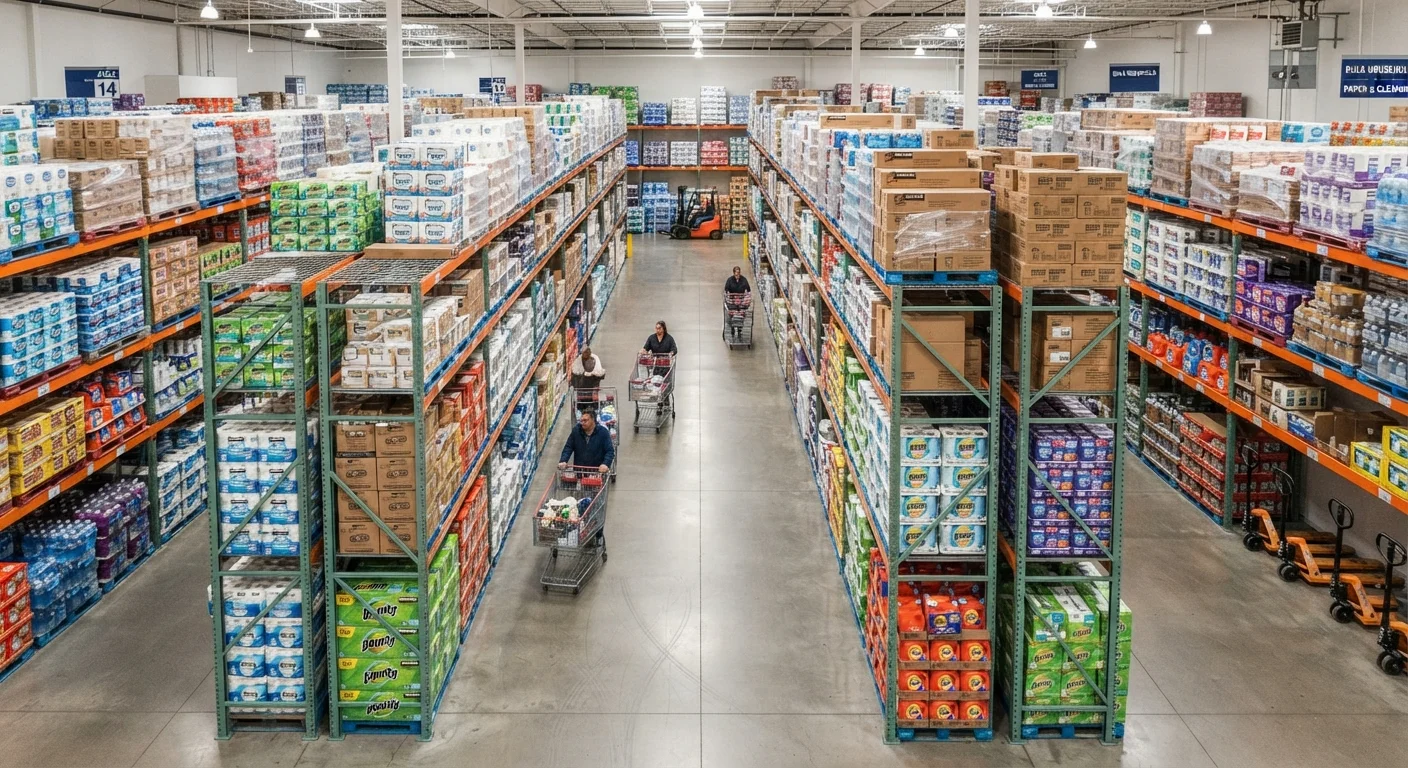
Photo credit: InGlimpse.com | Where Curiosity Finds Answers
In this article
Bulk purchases can save money — or lead to waste and clutter. Learn the factors that determine whether a large quantity is actually worth it.
Key Takeaways
- Bulk buying saves money only when you actually use the product before it expires or degrades.
- Non-perishables and frequently used household staples are generally the strongest candidates for bulk purchase.
- Unit pricing — the cost per ounce, count, or sheet — is the only reliable way to verify a bulk deal.
- Storage space, household size, and cash flow all affect whether buying large quantities makes practical sense.
- Perishable foods, items with short shelf lives, and products you haven't tried before are often poor bulk choices.
The Core Promise — and the Core Problem
The logic behind buying in bulk is straightforward: pay less per unit by purchasing more units at once. Warehouse clubs and large-format retailers have built entire business models around that premise. But the gap between a lower unit price and actual savings is wider than it looks.
The savings are only real if every unit gets used. A 50-count bottle of vitamins that expires unused, a gallon of specialty hot sauce that goes stale after two tablespoons, or a bulk pack of a cleaning product that turns out to irritate your skin — each of those represents money spent, not saved. Before you evaluate any bulk deal, the first question isn't about price. It's about consumption: Will your household actually use all of this?
Understanding how unit pricing works is the essential foundation. Once you can accurately compare cost per ounce or count across package sizes, you can strip away the marketing and assess the arithmetic on its own terms.
When Bulk Buying Works in Your Favor
Certain product categories consistently reward bulk purchasing when storage and consumption patterns align.
Non-perishable household staples
Toilet paper, paper towels, laundry detergent, dish soap, and similar goods don't spoil. If you have space to store them, buying larger quantities typically lowers your cost per unit and reduces shopping frequency. These are the clearest wins for bulk buying.
Pantry items with long shelf lives
Dried pasta, rice, canned goods, cooking oils, and dried beans store well for extended periods. For households that cook regularly, buying these in larger amounts can reduce per-meal food costs over time — provided the items are actually incorporated into meals before they pass their best-by date.
Frequently replenished personal care products
If a particular shampoo, hand soap, or toothpaste is already a fixture in your routine, buying it in a larger size or multipack is usually straightforward math. You know you'll use it; the unit price is likely lower. The caution here is buying large quantities of something you haven't tried yet — a risk worth noting below.
Try Before You Stock Up
When a product is new to your household — even one that looks like a reliable staple — buy one standard-size unit first. Use it completely before deciding whether to switch to bulk. This single habit prevents most costly bulk-buying mistakes, particularly with cleaning products, personal care items, and specialty foods.
For groceries specifically, pairing a bulk strategy with a consistent shopping list helps prevent impulse bulk purchases. See why shopping lists succeed or fail for practical guidance on making lists actually work.
When Bulk Buying Costs More Than It Saves
The situations where bulk buying backfires are at least as common as those where it succeeds.
| Bulk Buying | Standard Quantities | |
|---|---|---|
| Unit cost | Usually lower per unit | Usually higher per unit |
| Upfront cash required | Higher | Lower |
| Risk of waste/spoilage | Higher for perishables | Lower — buy as needed |
| Storage demand | Significant | Minimal |
| Best for unfamiliar products | Poor fit | Good fit — low commitment |
| Ideal household size | Larger households | Smaller or single-person households |
| Shopping frequency | Less frequent restocking | More frequent trips needed |
Perishables and short shelf-life products
Fresh produce, dairy, bread, and most prepared foods spoil quickly. Buying five pounds of strawberries when you'll use one before they turn is not a deal — it's a loss. The same applies to items like certain medications, cosmetics, or supplements that degrade over time or carry strict expiration dates.
Products you haven't tested
A 96-load container of a detergent you've never used may cause a skin reaction, leave residue on your dishes, or simply smell like something you can't live with. Sampling at standard size before committing to bulk avoids locking in an expensive mistake.
Items tied to tight cash flow
Even when the unit math favors bulk, paying $60 upfront instead of $15 this week affects your immediate budget. If that larger spend disrupts other financial priorities, the nominal savings per unit may not justify the strain. This connects to broader budgeting considerations worth reviewing before large discretionary purchases.
Storage you don't have
Bulk purchases that sit in your car trunk, crowd your pantry, or end up shoved in inconvenient locations create friction — and sometimes go forgotten until it's too late to use them.
A Practical Framework Before You Buy
Rather than deciding based on instinct or the size of the price tag, a few quick questions can clarify whether any given bulk purchase actually makes sense for your household:
- Do I already use this regularly? If yes, you have a track record to project from. If no, buy small first.
- What is the unit price, and is it genuinely lower? Larger packaging is not always cheaper per unit — verify with the shelf tag unit price.
- Will I use all of this before it expires or degrades? Be realistic about your actual consumption rate, not your intended consumption rate.
- Do I have appropriate storage? A good price on something you can't store well is rarely a good deal.
- Does this fit my budget without displacing other priorities? Nominal per-unit savings don't outweigh genuine cash flow strain.
It's also worth checking whether the bulk pricing is actually competitive. Sale and bulk pricing signals from retailers don't always represent genuine discounts — comparing against standard retail prices for the same item is a useful check before committing.
This article is for general informational and educational purposes only and does not constitute financial or purchasing advice tailored to your individual circumstances.

Author
Home Editorial Team
Home Editorial Team is the collective byline for our editorial team and contributor network. Articles published under this byline or an editorial pen name are researched, written, and reviewed according to our editorial standards for clarity, consistency, and independence before publication.
View all articles →