
Houseplants as Decor: Choosing Species by Light, Space, and Maintenance
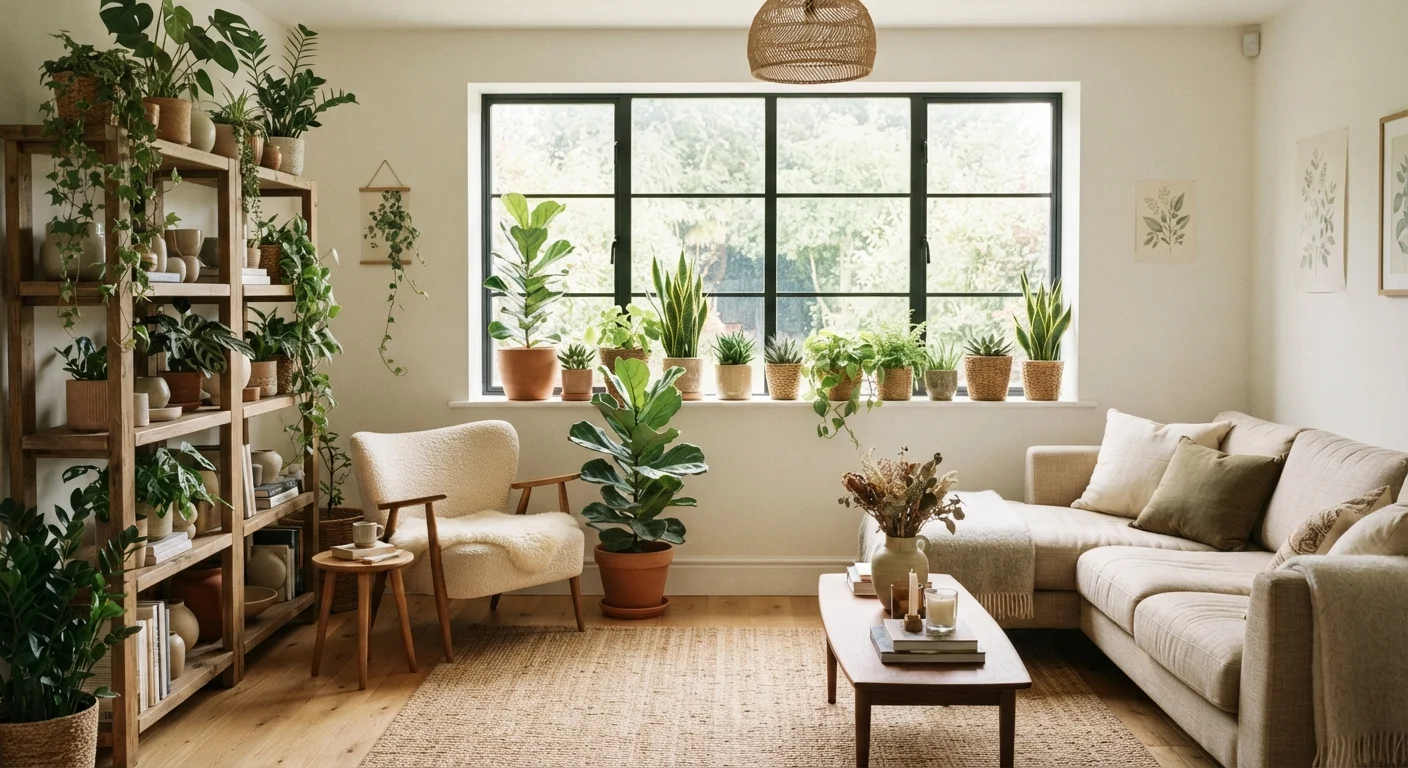
Photo credit: InGlimpse.com | Where Curiosity Finds Answers
In this article
Plants add life to a room, but the wrong species in the wrong spot tends to die quickly. Match plant choices to your actual conditions.
Why Plant Placement Fails (and How to Fix It Before You Buy)
Most houseplants that die indoors don't die from neglect — they die from misplacement. A shade-tolerant pothos slowly withers on a south-facing ledge that bakes in afternoon sun. A fiddle-leaf fig sits in a dark hallway and drops every leaf within weeks. The fix is straightforward: assess your space first, then select a species that matches.
Start with three variables before you ever walk into a nursery: light level, available floor or shelf space, and how much maintenance you can realistically commit to. Get those three factors nailed down, and choosing a plant becomes a lookup exercise rather than a guess.
For tips on integrating plants into tighter spaces without crowding, see decorating a compact living room.
| Best low-light tolerant plant | ZZ plant (Zamioculcas zamiifolia) |
| Most forgiving for beginners | Pothos (Epipremnum aureum) |
| Watering frequency (low-maintenance species) | Every 2–4 weeks |
| Bright direct light zone | Within 2 feet of unobstructed south/west window |
| Average repotting interval | Every 1–2 years for moderate-care plants |
| Trailing plants suited for hanging | Heartleaf philodendron, string of pearls, pothos |
Matching Light Conditions to the Right Species
Light is the single biggest determinant of whether a houseplant survives. Natural light falls into four practical categories for indoor use:
- Bright direct light (within 2 feet of an unobstructed south or west window): Cacti, succulents, and most herbs thrive here. Expect rapid drying of soil.
- Bright indirect light (near a window but shielded from direct rays): The widest range of popular houseplants — including monsteras, rubber plants, and spider plants — do well here.
- Medium light (several feet from a window, no direct sun): Pothos, ZZ plants, and peace lilies hold up reliably. Growth is slower but steady.
- Low light (no window nearby, ambient room lighting only): Very few plants truly thrive here. Cast-iron plants and certain dracaenas tolerate it; most others will decline slowly.
A simple test: hold your hand 12 inches above a sheet of white paper at the spot where you plan to put a plant. A sharp shadow means bright light; a faint, blurry shadow means medium; no visible shadow means low light.
Bright indirect light
Light near a window that does not fall directly on the plant. The plant receives high ambient brightness without direct sun rays, which can scorch leaves.
Root rot
A condition caused by overwatering or poor drainage in which a plant's roots decay. It is one of the most common causes of indoor plant death.
Epiphyte
A plant that naturally grows on surfaces like tree branches rather than in soil. Many popular houseplants, including some orchids and air plants, are epiphytes and need different care than soil-rooted species.
Repotting
The process of moving a plant into a larger container to give its roots more room to grow. Signs a plant needs repotting include roots circling the bottom of the pot or emerging from drainage holes.
Space Considerations and Structural Role
Plants serve different decorative functions depending on their size and form. Thinking structurally — rather than just aesthetically — helps avoid overcrowding and makes greenery feel intentional rather than cluttered.
- Floor plants (3–6+ feet tall): Large specimens like bird of paradise, fiddle-leaf fig, or corn plant anchor a corner or define a zone in an open-plan room. They need significant root space and should not be pushed against walls where air circulation is poor.
- Shelf and tabletop plants (under 18 inches): Succulents, small ferns, and trailing pothos work well at eye level or above. Trailing varieties gain visual interest when allowed to cascade over a shelf edge.
- Hanging plants: String of pearls, heartleaf philodendron, and similar trailers use vertical space without taking up floor or surface area — useful in compact rooms.
When decorating room by room, plants can be incorporated into a broader refresh without starting from scratch. The room-by-room decor refresh checklist can help you identify where greenery would have the most visual impact.
~70%
Of U.S. households that own at least one houseplant
According to the National Gardening Association's consumer survey data, houseplant ownership is widespread among American households.
4–6 hours
Daily light most foliage houseplants need to sustain healthy growth
General horticultural guidance from university extension programs across the US consistently cites this range for common indoor foliage species.
Maintenance Levels: Honest Expectations by Species
Maintenance demand varies widely. Below is a practical breakdown by care intensity:
- Low maintenance
- ZZ plant, snake plant, cast-iron plant. Water every 2–4 weeks, tolerate irregular schedules, rarely need repotting. Good for frequent travelers or first-time plant owners.
- Moderate maintenance
- Pothos, spider plant, rubber plant. Water weekly or when the top inch of soil is dry, benefit from occasional fertilizing in spring and summer, and need repotting roughly every 1–2 years.
- Higher maintenance
- Fiddle-leaf fig, orchids, maidenhair fern. These are sensitive to drafts, temperature swings, inconsistent watering, or humidity changes. They can look stunning when conditions are right but require consistent attention.
One often-overlooked factor: soil drainage. A plant in a pot without drainage holes is far more prone to root rot regardless of how carefully you water. A simple layer of gravel at the bottom of a decorative pot does not substitute for actual drainage holes — repotting into a vessel with holes, or using a plain nursery pot inside the decorative one, is the more reliable approach.
Avoid letting common decor assumptions drive your plant choices. If you've run into broader myths about interior styling, common decorating myths covers several that also apply to plant selection and placement.
Pet and Child Safety Matters
Several popular houseplants — including pothos, philodendrons, and peace lilies — are toxic if ingested by pets or small children. Before purchasing any species, check the ASPCA's online toxic plant database or consult your veterinarian. Placement height can help, but it's not a guaranteed barrier. Prioritize non-toxic alternatives in households with pets or young children.

Author
Home Editorial Team
Home Editorial Team is the collective byline for our editorial team and contributor network. Articles published under this byline or an editorial pen name are researched, written, and reviewed according to our editorial standards for clarity, consistency, and independence before publication.
View all articles →