
Credit Scores Decoded: What the Number Actually Measures
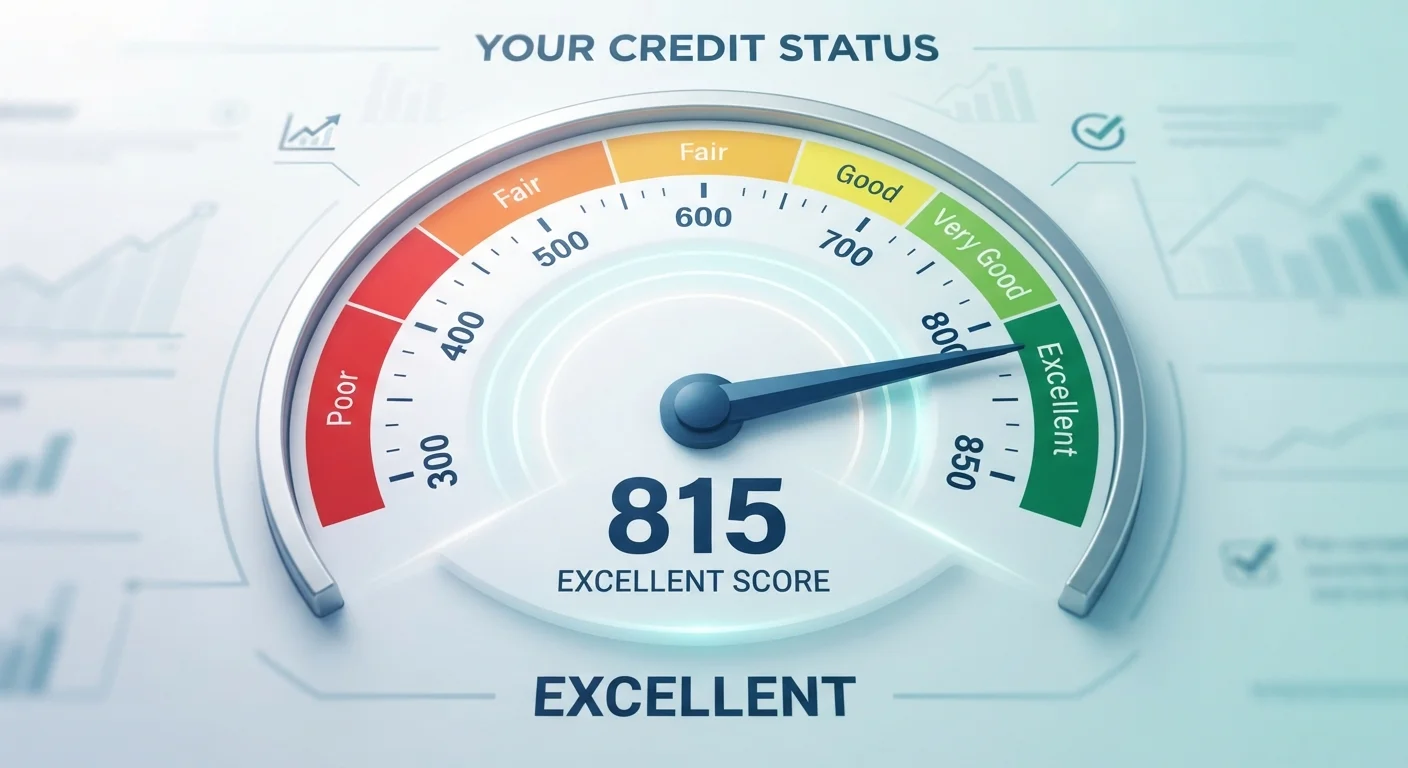
Photo credit: InGlimpse.com | Where Curiosity Finds Answers
In this article
Understand exactly how credit scores are calculated, what each factor means, and why lenders treat them as a financial snapshot.
Key Takeaways
- Credit scores range from 300 to 850; most lenders consider 670 or above a good starting point.
- Payment history is the single most influential factor, accounting for 35% of a FICO Score.
- Credit utilization — how much of your available credit you're using — carries nearly as much weight at 30%.
- Length of credit history, credit mix, and new inquiries round out the remaining 35% of your score.
- You have multiple credit scores; they may vary slightly depending on the model and bureau used.
- Improving a credit score is possible, but it typically takes consistent, time-based behavior — not quick fixes.
The Five Factors Behind the Number
A credit score isn't a judgment — it's a formula. The FICO model, which is the most widely referenced by U.S. lenders, breaks your score into five distinct components. Understanding each one transforms an abstract number into something actionable.
- Payment History (35%): Whether you've paid past credit accounts on time. Even one missed payment reported to the bureaus can meaningfully reduce your score.
- Amounts Owed / Credit Utilization (30%): How much of your available revolving credit you're currently using. Carrying high balances relative to your limits signals financial strain. For a deeper look, see our guide on credit utilization.
- Length of Credit History (15%): How long your accounts have been open. Older accounts and a longer average account age generally help your score.
- Credit Mix (10%): The variety of credit types you manage — revolving accounts like credit cards and installment accounts like auto loans or mortgages.
- New Credit / Inquiries (10%): How recently you've applied for new credit. Multiple applications in a short window can suggest financial instability to lenders.
35%
Weight of payment history in FICO Score
According to FICO's published scoring model breakdown, payment history is the single largest factor in calculating your credit score.
716
Average U.S. FICO Score
Experian's State of Credit report has consistently placed the national average FICO Score in the mid-700s, reflecting a broadly 'good' credit standing across American consumers.
7 years
How long most negative marks remain
Under the Fair Credit Reporting Act (FCRA), most derogatory marks — including late payments and collections — can remain on a credit report for up to seven years.
What Lenders Actually See
When a lender pulls your credit, they're not just looking at a single score in isolation. They're reviewing your full credit report — the detailed record that generates your score — alongside the number itself. Your credit report contains several distinct sections, including your account history, payment records, outstanding balances, and any derogatory marks such as collections or public records.
Lenders use this combined picture to assess risk. A score of 720 with a spotless payment record reads very differently than a 720 rebuilt after a recent bankruptcy discharge. Context matters, and the underlying report provides that context.
Request Your Free Annual Credit Reports
Under federal law, you're entitled to a free credit report from each of the three major bureaus — Equifax, Experian, and TransUnion — through AnnualCreditReport.com. Reviewing your reports regularly helps you catch errors or fraudulent accounts that could be dragging down your score without your knowledge. Disputing inaccurate information is a right protected under the Fair Credit Reporting Act (FCRA).
It's worth noting that lenders may also apply their own internal overlays — additional criteria layered on top of the score — based on their risk appetite and the type of credit product being offered. Credit score thresholds for mortgage approval, for instance, are often stricter than for a credit card application.
Score Ranges and What They Signal
Credit scores are typically grouped into ranges that carry shorthand meaning across the lending industry:
| Score Range | Category | General Implication |
|---|---|---|
| 800–850 | Exceptional | Qualifies for the most favorable terms |
| 740–799 | Very Good | Likely to receive competitive rates |
| 670–739 | Good | Meets most standard lending requirements |
| 580–669 | Fair | May face higher rates or limited options |
| 300–579 | Poor | Access to credit may be restricted |
These ranges are general guidelines, not guarantees. Individual lender requirements vary, and the same score can produce different outcomes depending on the type of credit you're applying for and the lender's internal policies.
“A credit score is essentially a snapshot of your credit risk picture at a particular point in time. It reflects your credit habits and behaviors as reported to the credit bureaus.”
— FICO, Developer of the most widely used consumer credit scoring model in the U.S.
Building and Protecting Your Score
Because payment history and credit utilization together account for 65% of a FICO Score, those two levers have the most immediate impact. Paying every bill on or before its due date — even if only the minimum — protects your history. Keeping revolving balances well below your credit limits, ideally under 30% utilization on any individual card and in total, supports the amounts-owed factor.
Many common assumptions about credit improvement are also inaccurate. For example, closing old accounts doesn't necessarily help — it can shorten your credit history and reduce available credit, which may actually hurt your score. Our article on credit score myths addresses the most persistent misunderstandings in detail.
If you're preparing to apply for a loan or major line of credit, a targeted review of your credit profile can make a meaningful difference in the terms you're offered. A credit readiness checklist can help you identify gaps and correct issues before you formally apply.
This article is for general informational and educational purposes only and does not constitute personalized financial or credit advice. Individual results will vary based on your specific credit profile and lender criteria. Consult a licensed financial professional for guidance tailored to your situation.
Frequently Asked Questions

Author
Finance Editorial Team
Finance Editorial Team is the collective byline for our editorial team and contributor network. Articles published under this byline or an editorial pen name are researched, written, and reviewed according to our editorial standards for clarity, consistency, and independence before publication.
View all articles →