
Hydration vs. Moisturization: They're Not the Same Thing
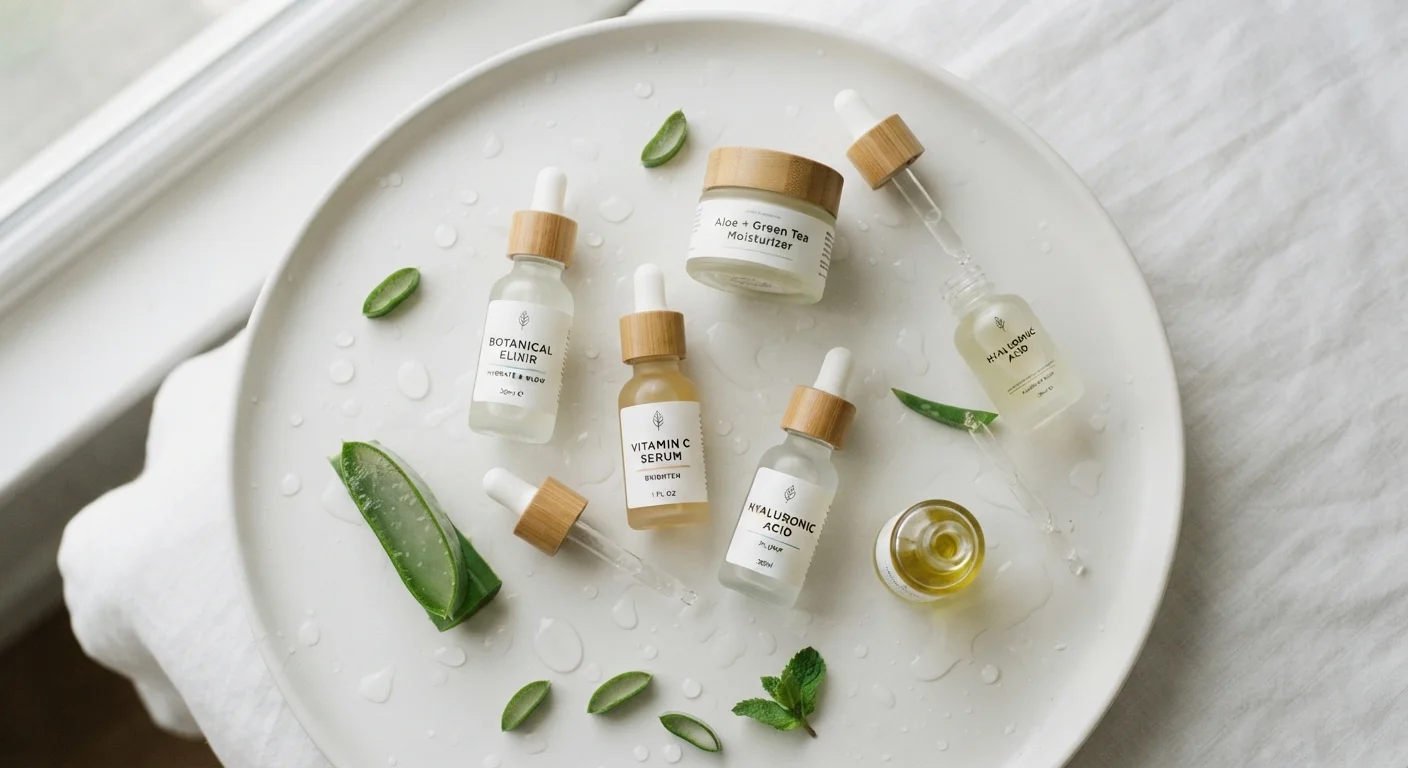
Photo credit: InGlimpse.com | Where Curiosity Finds Answers
In this article
Hydrators and moisturizers serve different functions. Understanding the distinction helps you pick the right products for dry or dehydrated skin.
Key Takeaways
- Dehydrated skin lacks water; dry skin lacks oil — these are different conditions requiring different solutions.
- Humectants draw water into skin cells; moisturizers seal that water in with lipids or occlusive agents.
- Most people need both functions, but the ratio depends on their skin type and current condition.
- Applying a moisturizer over a humectant is the most effective layering strategy for most skin types.
- Even oily skin can be dehydrated and benefit from lightweight hydrating ingredients.
The Core Difference: Water vs. Lipids
Walk down any skincare aisle and you'll see the words "hydrating" and "moisturizing" used almost interchangeably. They aren't the same thing — and conflating them is one of the most common reasons people end up with a routine that doesn't quite work.
Hydration refers to the water content inside skin cells. When skin is dehydrated, cells are literally low on water, leaving skin looking flat, dull, or feeling tight regardless of how much oil your skin produces. Moisturization, on the other hand, is about the skin's lipid barrier — the natural fats that prevent water from evaporating off the surface. Dry skin (a skin type) is characterized by an insufficient production of these lipids, not necessarily by low cellular water.
This distinction matters because the ingredients that address each concern work through entirely different mechanisms. Treating dehydration with a heavy cream — and treating dryness with only a water-based serum — are both mismatches that can leave skin still feeling off.
Dehydration vs. Dryness: A Quick Reminder
Dehydration is a temporary skin condition — it can affect any skin type, including oily skin, and can shift with seasons, diet, or habits. Dryness is a skin type determined largely by genetics and sebum production. You can address both in the same routine by using humectants and then sealing with an appropriate moisturizer.
How Each Ingredient Category Works
Humectants are the workhorses of hydration. Ingredients like hyaluronic acid, glycerin, and aloe vera attract water molecules — either drawing moisture up from deeper skin layers or pulling it from the surrounding environment — and hold that water within the upper layers of skin. The result is a plumper, more supple appearance and a reduction in that "tight" feeling.
Emollients and occlusives are the tools of moisturization. Emollients (such as plant oils, fatty acids, and ceramides) fill in the microscopic gaps in a damaged or lipid-depleted skin barrier, smoothing texture and reducing flakiness. Occlusives (like petrolatum, shea butter, and squalane) form a physical film on the skin's surface that slows water evaporation — a process dermatologists call TEWL reduction.
| Criterion | Hydration (Humectants) | Moisturization (Emollients & Occlusives) |
|---|---|---|
| Target concern | Low water content in skin cells | Insufficient skin lipid barrier |
| Skin condition addressed | Dehydrated skin (any type) | Dry skin type or barrier damage |
| Key ingredient examples | Hyaluronic acid, glycerin, aloe | Ceramides, shea butter, petrolatum |
| Texture of products | Lightweight serums, essences, gels | Creams, balms, facial oils |
| Works by | Attracting and binding water molecules | Sealing moisture in and reducing TEWL |
| Suitable for oily skin | Yes — lightweight options available | Cautiously — choose non-comedogenic formulas |
| Layering order | Applied first, on damp skin | Applied second, to lock in hydration |
Understanding which ingredient category you actually need is the first step toward a more effective routine. For guidance on how to layer these products in the right order, see our product layering guide.
Identifying What Your Skin Actually Needs
Skin type and skin condition are two separate things — and this distinction is key. You can be oily by type yet dehydrated by condition, which is why some oily-skinned people notice their face feeling tight or looking lackluster even without dryness or flaking. Conversely, someone with dry skin may already have adequate hydration but lack the lipid barrier to hold onto it.
~75%
Skin is composed mostly of water
General anatomical estimates indicate that water makes up roughly 75% of skin by weight, underscoring how central cellular hydration is to skin health and appearance.
2 in 3
Oily-skin individuals may still be dehydrated
Skincare educators and estheticians commonly note that a significant proportion of those with oily or combination skin also experience dehydration, often worsened by over-cleansing.
A simple home check: gently cleanse your face with a mild cleanser, pat dry, and wait 30 minutes without applying anything. If skin feels tight and looks dull, dehydration is likely the primary issue. If it feels rough or looks flaky, a lipid deficit is more probable. Many people will notice a combination of both.
The same logic applies beyond skincare. Hair that stays dry despite heavy conditioning often has a similar root cause: using the wrong type of product for the actual problem.
This article is for general informational and educational purposes only. It is not a substitute for advice from a qualified dermatologist or healthcare professional. If you have a skin condition or persistent concerns, please consult a licensed skincare or medical professional.

Author
Style Editorial Team
Style Editorial Team is the collective byline for our editorial team and contributor network. Articles published under this byline or an editorial pen name are researched, written, and reviewed according to our editorial standards for clarity, consistency, and independence before publication.
View all articles →