
New Pet Preparation: A Room-by-Room Safety Checklist
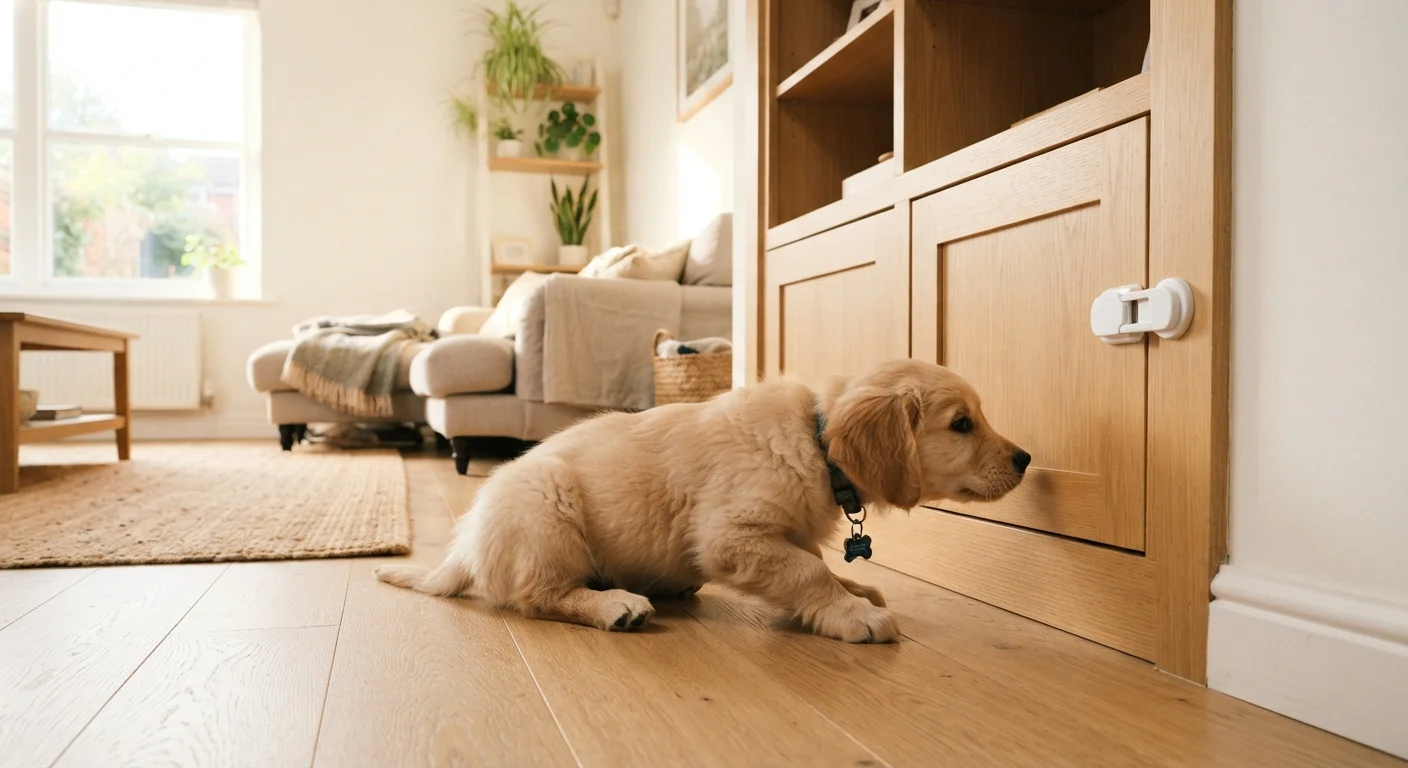
Photo credit: InGlimpse.com | Where Curiosity Finds Answers
In this article
Toxic plants, loose cords, unsecured cabinets — a practical checklist for pet-proofing your home before your new animal arrives.
Key Takeaways
- Many common household plants, foods, and cleaning products are toxic to cats and dogs.
- Unsecured electrical cords and open trash cans are among the most frequent injury sources for new pets.
- A room-by-room walk-through before your pet arrives is far more effective than reactive fixes.
- Small animals, birds, and reptiles have unique hazards beyond the standard dog-and-cat checklist.
- Always keep your veterinarian's number and an animal poison control hotline accessible.
Why a Room-by-Room Approach Works Best
When a new pet enters your home, every room becomes an opportunity for curiosity — and an opportunity for harm. A systematic room-by-room audit forces you to get down to your pet's eye level, literally, and spot hazards that are invisible from a standing adult's perspective. This is especially important if you're a first-time pet owner who hasn't thought through what a floor-level explorer will encounter.
The checklist below covers the most common rooms in a US home. Work through each section before your animal arrives — not after the first incident. If you're adding a second animal to a household that already has pets, also review our guide on introducing a second pet to manage the social side of the transition.
Small Pets and Birds Have Unique Hazards
The checklist below focuses on cats and dogs, but small mammals, birds, and reptiles face additional risks. Non-stick cookware releases fumes toxic to birds at high heat. Reptiles require specific temperature and humidity controls that can cause harm if disrupted. If your new pet is not a cat or dog, consult your veterinarian or a species-specific rescue for a tailored hazard list before the animal arrives.
Tools You'll Need
Before starting, gather the supplies listed below. Having them on hand means you can address hazards as you find them rather than making multiple trips.
Childproof cabinet latches
Secure lower cabinets containing food, cleaning products, and trash from curious paws.
Electrical cord covers or cable organizers
Protect pets from chewing on live cables throughout the home.
Lidded, heavy-duty trash cans
Prevent pets from accessing food scraps and potentially toxic household waste.
Pet gate or exercise pen
Block off unsafe rooms or create a safe zone while you complete the full pet-proofing process.
ASPCA toxic plant list (printed or bookmarked)
Reference guide for identifying which houseplants and garden plants pose a risk to your specific species.
Furniture anchoring straps
Secure tall bookshelves and TV stands to the wall for homes with larger or climbing pets.
Cord management box
Conceal power strips and multiple cords in one enclosed, chew-resistant housing.
The Room-by-Room Safety Checklist
Work through every group below methodically. Mark each item complete before moving to the next room. Items labeled must address immediate injury or poisoning risk; should items reduce longer-term hazards; nice to have items add comfort and enrichment.
Kitchen
Living Room & Common Areas
Bathroom
Bedroom & Home Office
Garage & Utility Areas
Outdoor Spaces
Save Poison Control Before You Need It
The ASPCA Animal Poison Control Center operates 24 hours a day and can be reached at 888-426-4435 (a consultation fee may apply). Save this number in your phone along with your regular vet's emergency line before your pet comes home. In any suspected poisoning, contact a professional immediately — do not attempt home treatment without guidance.
After the Checklist: Ongoing Safety Habits
Pet-proofing isn't a one-time event. As your pet grows, their reach, strength, and curiosity change — a puppy that couldn't open a cabinet at eight weeks may manage it at six months. Schedule a brief re-check every few months, and any time you rearrange furniture, bring in new plants, or introduce new cleaning products.
Once your home is safe, turn your attention to nutrition. Our pet food evaluation checklist helps you apply the same methodical thinking to what goes into your pet's bowl. And if budget is a concern, practical strategies for keeping a pet healthy on a tight budget can help you prioritize spending without cutting corners on safety.
Keep the ASPCA Animal Poison Control Center number (888-426-4435) and your vet's emergency line saved in your phone — ready before you need them.
This article is for general informational purposes only and does not constitute veterinary advice. Consult a licensed veterinarian for guidance specific to your pet's health and environment.

Author
Pets Editorial Team
Pets Editorial Team is the collective byline for our editorial team and contributor network. Articles published under this byline or an editorial pen name are researched, written, and reviewed according to our editorial standards for clarity, consistency, and independence before publication.
View all articles →