
Introducing a Second Pet to Your Household
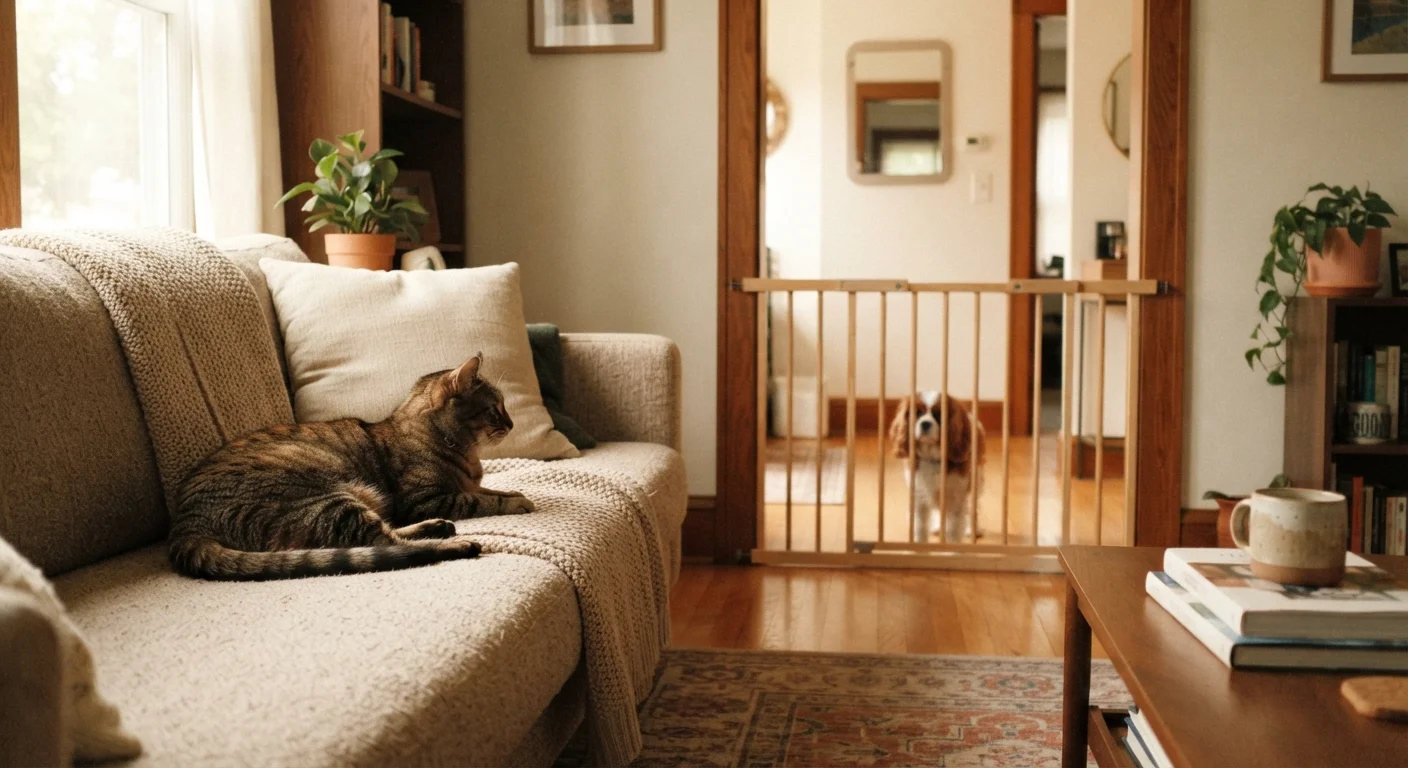
Photo credit: InGlimpse.com | Where Curiosity Finds Answers
Slow introductions, neutral territory, and managing resource competition — how to help a resident pet adjust to a new animal at home.
Key Takeaways
- Scent swapping before any face-to-face meeting reduces territorial stress for both animals.
- All initial introductions should happen on neutral ground, not in the resident pet's core territory.
- Separate feeding stations and resting spaces prevent resource competition during the adjustment period.
- Most cats and dogs need two to four weeks to begin showing signs of comfortable coexistence.
- Regression is normal — slow the process down rather than pushing through tension.
Why the Introduction Process Matters
Adding a second pet is one of the most significant changes a resident animal will experience. From their perspective, a stranger has arrived in their established territory — a space they associate with safety, resources, and routine. Rushing this process is the most common reason introductions fail, leading to chronic stress, injury, or behavioral problems that can persist for months.
Understanding animal behavior basics helps here: both cats and dogs use scent, body language, and environmental cues to decide whether another animal is friend or threat. A structured introduction process works with those instincts rather than against them, giving each animal time to acclimate without feeling cornered or overwhelmed.
If you are bringing home a rescue dog specifically, the dynamics can differ from adopting a puppy or kitten. See our guide on socializing a rescue dog with an established pet for considerations specific to that situation.
What you will need
What to Expect and How to Troubleshoot
Even when introductions are handled carefully, some friction is normal. Hissing, posturing, or avoidance during the first few weeks does not mean the introduction has failed. What matters is the direction of the trend: are the animals gradually spending more time in the same space without escalation? That is the goal.
Calm Owner Energy Supports Calmer Pets
Animals are sensitive to human anxiety and often amplify it. During introduction sessions, speak in a neutral, even tone and move deliberately rather than reactively. If you feel tense, take a breath before entering the room — your composure sets the tone for how your pets interpret the situation.
Resource guarding — growling or blocking access to food, water, toys, or sleeping areas — is one of the most common flashpoints and can be addressed by increasing the number of available resources and feeding animals in completely separate rooms. If you have concerns about costs associated with doubling up on supplies and veterinary visits, our article on keeping a pet healthy on a tight budget offers practical strategies for managing multi-pet expenses.
When to Pause and Seek Professional Help
If either animal displays prolonged, intense aggression — lunging, biting, or sustained stalking — stop free interactions immediately and return to barrier-only contact. Do not interpret repeated serious conflict as something the animals will "work out on their own." A certified applied animal behaviorist or a veterinary behaviorist can assess the situation and provide a tailored management plan. Your veterinarian is the right first point of contact for a referral.
If you are still in the planning stage — perhaps considering a second pet but uncertain about the commitment — our foundational guide what to know before bringing an animal home covers the broader questions of readiness every owner should ask before expanding their household.
Set up a dedicated space for the new pet
Before the new animal arrives, designate one room as their base. Equip it with food, water, bedding, a litter box (for cats), and enrichment items. This space gives the newcomer time to decompress and prevents an immediate territorial confrontation with your resident pet. Keep the door closed so the two animals cannot see each other yet.
Begin scent swapping
After 24 to 48 hours, swap a piece of bedding or a worn t-shirt between the two animals' areas. Let each pet investigate the other's scent at their own pace. Repeat the swap daily for several days. This step is especially important for cats, who rely heavily on scent to assess whether another animal is a threat.
Allow sound and scent contact under the door
Once both animals appear relaxed near the closed door — eating normally, not fixated or distressed — you can allow brief under-door sniffing sessions. Watch for sustained growling, swatting, or frantic pacing; these signal that more time is needed before progressing.
Introduce visual contact through a barrier
Install a baby gate or crack the door a few inches. Allow the animals to see each other in short, supervised sessions of five to ten minutes. Keep dogs leashed during this phase. End each session before either animal shows signs of escalating stress. Gradually increase session length over several days as both animals remain calm.
Conduct a neutral-territory meeting
For the first off-leash or free meeting, choose a space that is not the resident pet's primary territory — a hallway, a room rarely used, or outdoors on leash for dogs. Keep the session brief, remain calm, and avoid hovering anxiously, as pets often mirror owner tension. Separate the animals before any escalation occurs.
Manage resources and shared spaces
Feed animals in separate locations and never allow one to eat from the other's bowl. Provide at least one more litter box than the number of cats in the home (the standard guideline is n+1). Ensure both animals have escape routes and private resting areas where they cannot be cornered. Resource competition is one of the most common triggers for ongoing conflict between household pets.
Monitor and adjust the timeline as needed
Track behavioral changes in your resident pet: changes in appetite, elimination habits, hiding, or increased aggression can signal that the introduction pace is too fast. It is normal to take two to six weeks before animals coexist without supervision. If serious aggression persists beyond a few weeks, consult a veterinary behaviorist or a certified applied animal behaviorist for a personalized assessment.

Author
Pets Editorial Team
Pets Editorial Team is the collective byline for our editorial team and contributor network. Articles published under this byline or an editorial pen name are researched, written, and reviewed according to our editorial standards for clarity, consistency, and independence before publication.
View all articles →