
Socializing a Rescue Dog With an Established Pet at Home
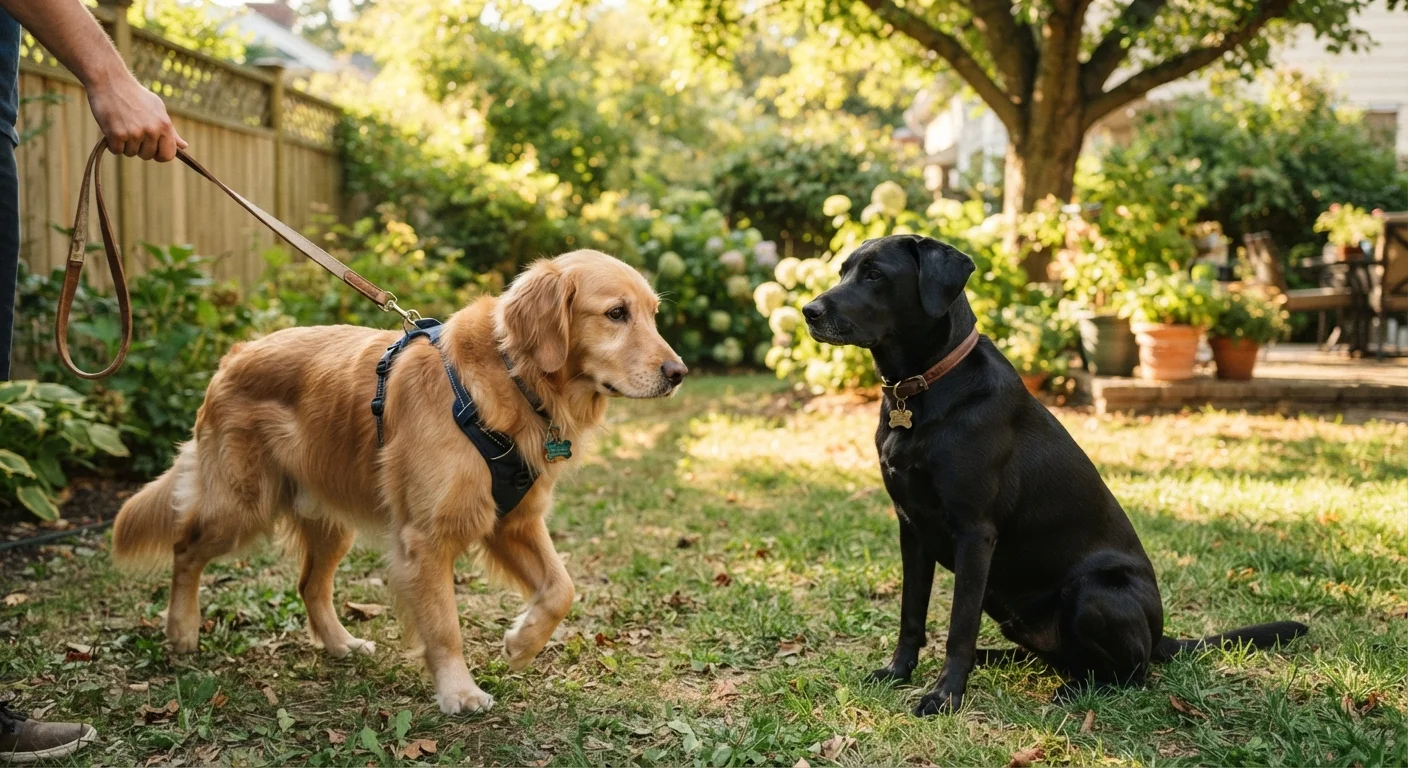
Photo credit: InGlimpse.com | Where Curiosity Finds Answers
Bringing a rescue dog into a multi-pet household takes patience and structure. A step-by-step approach to safe, gradual introductions.
Key Takeaways
- Neutral territory introductions reduce territorial stress for the resident pet.
- Parallel walks before face-to-face contact build positive associations safely.
- Separate feeding stations and sleeping spaces prevent resource-based conflict.
- Go at the slowest animal's pace — rushing increases the risk of lasting tension.
- Most multi-pet households reach stable coexistence within two to four weeks of structured introductions.
Why Structure Matters When Introducing a Rescue Dog
Rescue dogs arrive with unknown histories. Some have had positive experiences with other animals; others may have had none, or have experienced trauma in group settings. Your resident pet, meanwhile, has established routines, familiar scent markers throughout the home, and a defined sense of territory. A structured introduction process protects both animals by managing stress and preventing negative first impressions that can be difficult to undo.
Animal behavior research consistently supports the principle of gradual, low-pressure exposure — sometimes called desensitization and counter-conditioning — as the most effective way to build positive associations between unfamiliar animals. The goal at every stage is to keep both animals below their stress threshold, so each exposure ends on a neutral or positive note. For more on the contrast between rescue and puppy socialization dynamics, see how puppies develop social rules.
Use Scent Swapping Before the First Meeting
Before the resident pet and rescue dog ever see each other, exchange a blanket or worn T-shirt between their spaces. Letting each animal investigate the other's scent in a low-pressure environment is a simple, effective way to reduce novelty stress on introduction day.
What you will need
Two standard 6-foot leashes
Keeps both animals under controlled, gentle restraint during outdoor parallel walks and first visual introductions.
Baby gate or exercise pen
Creates a visual barrier inside the home that allows both animals to see and smell each other without direct physical contact.
High-value treats
Used to reward calm, relaxed behavior during each stage of the introduction process.
Separate crates or dog beds
Gives each animal a private retreat space where the other cannot intrude, reducing competition and stress.
Long training lead (15–20 ft)
Allows the rescue dog more freedom of movement during yard time while still allowing the handler to intervene quickly.
Step-by-Step Introduction Process
Follow these steps in order. Progress to the next stage only when both animals are consistently calm and relaxed in the current one. If either animal shows persistent stress signals — prolonged hiding, refusal to eat, or repeated aggression — pause and consult a certified applied animal behaviorist or veterinary behaviorist before continuing.
Prepare the Home Before the Rescue Dog Arrives
Set up a dedicated space — ideally a separate room — where the rescue dog will decompress for the first 24 to 48 hours. This room should have its own water bowl, bed, and crate. The resident pet should not have access to this space yet. Walk through the rest of the home with fresh eyes: secure resources like food bowls, high-value toys, and favorite resting spots that could become flashpoints.
Allow a Decompression Period
Give the rescue dog 24 to 72 hours to settle before any introduction takes place. During this window, keep the two animals completely separated. Allow the rescue dog to explore its designated room, establish a predictable routine, and begin associating you with safety. Rushing this stage is one of the most common mistakes new adopters make.
Conduct a Parallel Walk on Neutral Ground
With one handler per dog, walk both animals simultaneously on the same street or park path, keeping 10 to 20 feet between them. Move in the same direction so neither dog is in the other's face. Reward calm, forward-focused behavior with treats. Gradually close the distance over multiple sessions — only when both animals are relaxed and moving normally.
Allow a Brief, Controlled Sniff Introduction
Once both dogs are reliably calm on parallel walks, allow a brief nose-to-rear greeting on loose leashes. Keep it to three to five seconds, then calmly redirect each dog away with a treat. Repeat over several sessions, gradually extending the duration only when body language — loose muscles, relaxed tails, soft eyes — stays positive on both sides.
Introduce Inside the Home Using a Barrier
Bring both dogs inside with a baby gate separating them. Let them investigate each other through the barrier at their own pace. Feed each dog on opposite sides of the gate simultaneously — this pairs the other animal's presence with a rewarding experience. Run these gate sessions for two to three days before removing the barrier entirely.
Allow Supervised Off-Leash Time Together
In a securely enclosed yard or room, allow both dogs off-leash together for the first time. Keep sessions brief — five to ten minutes — and maintain calm, upbeat energy. Intervene if play escalates into stiff posturing or prolonged chase with no natural breaks. End sessions on a positive note before either animal shows fatigue or tension.
Maintain Separate Resources Long-Term
Even after a smooth introduction, keep food bowls, high-value chews, and primary sleeping spots separate and clearly assigned. Resource guarding can emerge weeks after animals appear comfortable together. Feeding in separate areas — or in separate rooms — eliminates one of the most common sources of inter-pet conflict in multi-dog households.
Never Force a Face-to-Face Greeting
Allowing dogs to rush toward each other nose-to-nose can trigger defensive aggression in even otherwise social animals. A rescue dog may have an unknown history with other pets. Always keep initial meetings brief, controlled, and at a distance that keeps both animals below their stress threshold.
Watch for Stress Signals Before Escalation
Stiff body posture, prolonged staring, raised hackles, and low growling are all early warning signs — not behaviors to dismiss or punish. Interrupt and increase distance at the first sign of discomfort. Punishment during introductions can create lasting negative associations between the two animals.
Multi-pet introductions that feel slow in the moment nearly always produce more stable long-term relationships. For broader context on what welcoming any new animal involves, the guide to introducing a second pet covers resident-pet adjustment in depth. And if you're still in the planning stage, what to know before bringing an animal home is a useful starting point.
This article is for general informational and educational purposes only. If your pet displays persistent aggression, severe anxiety, or behavior that poses a safety risk, consult a licensed veterinarian or certified animal behavior professional for guidance specific to your situation.

Author
Pets Editorial Team
Pets Editorial Team is the collective byline for our editorial team and contributor network. Articles published under this byline or an editorial pen name are researched, written, and reviewed according to our editorial standards for clarity, consistency, and independence before publication.
View all articles →