
Reading Your Dog's Body Language From Nose to Tail
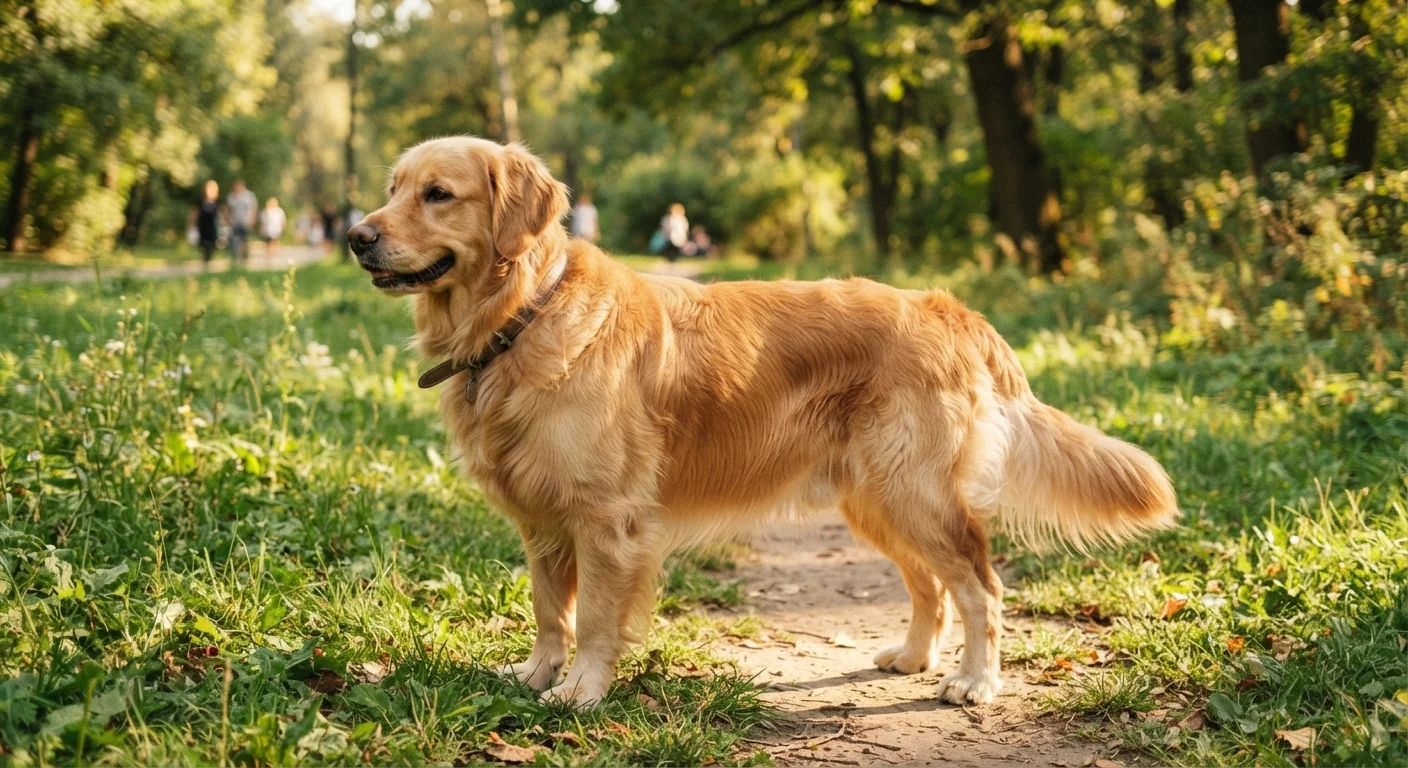
Photo credit: InGlimpse.com | Where Curiosity Finds Answers
In this article
A practical guide to understanding canine posture, facial expressions, and tail movement so you can respond to your dog's emotional state accurately.
Key Takeaways
- Dogs communicate almost exclusively through body language, not vocalizations.
- No single signal is definitive — always read posture, face, and tail together.
- A wagging tail does not automatically mean a happy or safe dog.
- Stress signals like lip licking and yawning are easy to miss but important to recognize.
- Learning your individual dog's baseline behavior makes reading changes much easier.
Why Body Language Is Your Dog's Primary Language
Dogs do not have words, but they are remarkably expressive. The vast majority of canine communication happens through posture, movement, and facial expression — a system so nuanced that researchers and animal behaviorists have spent decades cataloging its signals. As a dog owner, learning to read these cues is one of the most practical skills you can develop.
Misreading a dog's emotional state is surprisingly common. Many bites, fear reactions, and stressful interactions happen because a person missed or misinterpreted what the dog was already communicating. The good news is that dogs are generally consistent and generous with their signals — they tend to escalate from subtle to obvious before reacting strongly.
This guide walks through the main body regions — face, torso, and tail — and explains what common signals typically mean. For a deeper look at the quieter, easier-to-overlook signals, see our guide to subtle stress cues that owners often miss.
Calming signals
A set of behaviors dogs use to communicate that they want to reduce tension — such as yawning, lip licking, or looking away. These are meant to de-escalate, not to provoke.
Piloerection
The involuntary raising of fur along a dog's spine, commonly called 'hackles up.' It indicates emotional arousal — which can be fear, excitement, or uncertainty — but is not exclusively a sign of aggression.
Whale eye
When a dog shows the whites of its eyes by turning its head away while keeping its gaze fixed on something. It reliably signals discomfort, anxiety, or a low-level warning.
Appeasement behavior
Actions a dog uses to signal non-threat and reduce social tension, such as exposing the belly, lowering the body, or averting the gaze. These signals say 'I'm not a threat' rather than 'please pet me.'
Arousal
A state of heightened emotional and physical activation in a dog — not inherently positive or negative. High arousal can accompany excitement, fear, or predatory focus, and often warrants careful observation.
Reading the Face: Eyes, Ears, and Mouth
The face is one of the richest sources of information about your dog's emotional state. Three areas deserve particular attention:
Eyes
Soft, slightly squinted eyes paired with smooth facial muscles suggest a relaxed, comfortable dog. Hard, round, wide-open eyes often indicate arousal or stress. Whale eye — where a dog turns its head away but keeps its gaze fixed, revealing the whites of its eyes — is a reliable early warning signal that the dog feels uncomfortable or threatened.
Ears
Ear position varies by breed anatomy, but the direction of movement is informative regardless of shape. Ears carried forward and up generally indicate alertness or curiosity. Ears pinned flat against the skull typically signal fear or submission. One ear forward and one back often reflects uncertainty or conflict between two impulses.
Mouth
A relaxed dog usually has a slightly open mouth with a soft expression. Lips pulled back to expose teeth are a clear warning. However, subtler signals — like repeated lip licking unrelated to food, or a tightly closed mouth in an otherwise active dog — often precede more obvious distress. These micro-expressions are easy to overlook but worth learning.
Watch for clusters of signals
One yawn or one lip lick on its own may not mean much. But three or four calming signals appearing in quick succession — yawning, looking away, lip licking, shaking off — is a stronger sign the dog is stressed. Train yourself to notice patterns rather than isolated moments.
What the Body and Posture Tell You
Your dog's overall stance and weight distribution communicate confidence, fear, or tension before any individual signal does.
- Relaxed posture: Weight distributed evenly, muscles smooth, body at normal height. The dog is comfortable with its environment.
- Forward-leaning, weight on toes: Elevated arousal — could be excitement, predatory interest, or threat assessment. Not inherently aggressive, but watch other signals closely.
- Lowered body, weight shifted back: Fear or submission. The dog is trying to appear smaller and less threatening.
- Rolling onto back, exposing belly: Context matters here. In play, this is often an invitation. In a tense situation, it is appeasement — not necessarily an invitation to touch the dog.
- Hackles raised (piloerection): Raised fur along the spine indicates arousal, but not automatically aggression. Excitement, fear, and uncertainty can all cause hackles to rise.
If your dog frequently adopts fearful postures around specific people, environments, or situations, building trust with a fear-based dog outlines evidence-based principles for lasting improvement.
Decoding Tail Position and Movement
The tail is probably the most watched — and most misunderstood — part of canine body language. Speed, height, and stiffness each carry distinct meaning:
- High and stiff wag
- Signals high arousal and confidence. Often seen in dogs asserting dominance or approaching with intensity. This is not necessarily friendly.
- Low, loose, sweeping wag
- Generally indicates friendliness and low arousal. Combined with a relaxed body, this is the wag most reliably associated with a comfortable, sociable dog.
- Tail tucked between legs
- Fear, anxiety, or pain. A persistently tucked tail warrants attention. Paired with other signs of discomfort, it may indicate the dog needs veterinary evaluation — see signs your pet may be in pain for additional guidance.
- Slow, tentative wag at mid-height
- Uncertainty or mild appeasement. The dog is unsure how to respond to a situation.
Breed anatomy can complicate tail reading — dogs with naturally curled or docked tails require you to rely more heavily on other body signals.
Never assume a wagging tail means 'safe to approach'
A high, stiff wag in a tense dog is one of the most commonly misread signals in canine body language. Always check posture and facial expression before approaching an unfamiliar dog. When in doubt, ask the owner for permission and let the dog approach you first.
Reading the Whole Dog: Putting It All Together
Individual signals are useful starting points, but no single cue tells the full story. A dog with a wagging tail and flattened ears presents a very different picture than a dog with a wagging tail and a soft, relaxed face. Accurate reading means scanning the whole dog simultaneously.
Develop a habit of assessing three things at once: face (eyes, ears, mouth), body (posture, weight, hackles), and tail (height, speed, stiffness). When all three align — all relaxed or all tense — the signal is clear. When they conflict, the dog is in an ambivalent emotional state, which often calls for giving more space rather than proceeding.
It also helps to know your individual dog's baseline. Some dogs naturally carry their tails lower or hold their ears differently due to anatomy or personality. Changes from your dog's typical resting state are often more informative than any textbook description of what signals should look like. For a useful point of comparison across species, our feline body language field guide shows how different — and sometimes parallel — these systems are across animals.
If you are ever uncertain, default to the most cautious interpretation and give the dog more room. Dogs generally communicate before they react, and respecting those early signals is the foundation of a trusting relationship.
American Veterinary Society of Animal Behavior (AVSAB)
AVSAB publishes position statements and public education resources on canine behavior and humane training, grounded in behavioral science. A reliable starting point for deeper reading.
Certified Applied Animal Behaviorist (CAAB) Directory
If your dog's body language suggests persistent fear or aggression, a CAAB can conduct a professional behavioral assessment. The Animal Behavior Society maintains a directory of certified practitioners in the US.
This article is for general educational purposes only and is not a substitute for professional veterinary or animal behavior advice. If your dog shows persistent signs of fear, pain, or aggression, consult a licensed veterinarian or certified animal behaviorist.
Frequently Asked Questions

Author
Pets Editorial Team
Pets Editorial Team is the collective byline for our editorial team and contributor network. Articles published under this byline or an editorial pen name are researched, written, and reviewed according to our editorial standards for clarity, consistency, and independence before publication.
View all articles →