
How Shopping Seasonality Works — and the Items Worth Timing
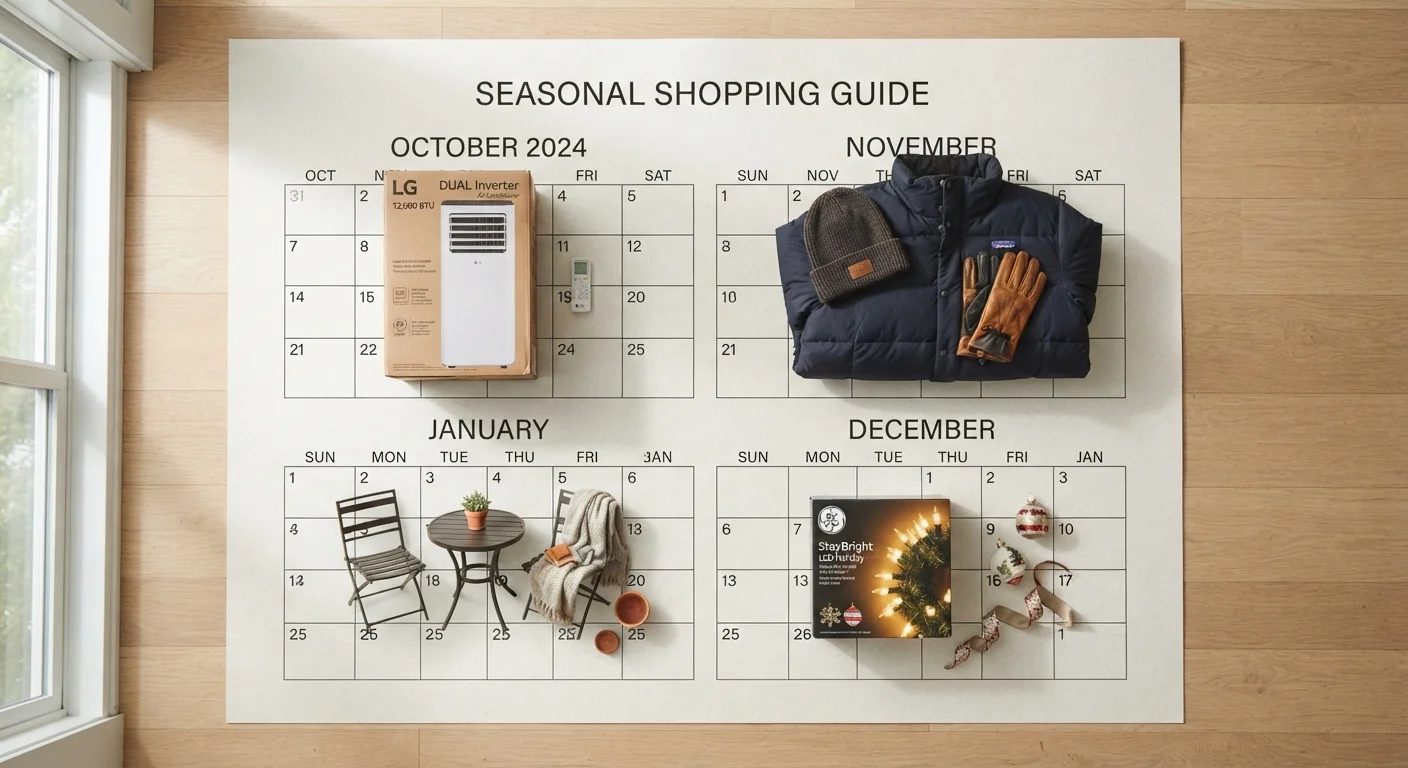
Photo credit: InGlimpse.com | Where Curiosity Finds Answers
In this article
Certain product categories follow predictable price cycles tied to the calendar. This guide explains how retail seasonality works and where timing genuinely pays off.
Key Takeaways
- Retailers mark down seasonal inventory on predictable schedules tied to the calendar year.
- Categories like appliances, apparel, and outdoor furniture have well-documented price cycles.
- Timing purchases around off-season windows can reduce spending without requiring coupons or sales events.
- Seasonal timing works best when you plan ahead — it requires buying before you urgently need an item.
- Not every product has meaningful price seasonality; focusing on the right categories matters most.
Why Retail Prices Follow the Calendar
Retailers plan their inventory months in advance. When demand for a product category peaks — think air conditioners in July or winter coats in November — stores stock heavily and prices hold firm. As seasons shift and demand drops, unsold inventory creates pressure to clear shelves for the next cycle. That pressure is what produces predictable markdowns.
This pattern isn't accidental. It's built into how retail supply chains work. Manufacturers produce seasonal goods in large runs, retailers commit to purchase volumes, and by the time a season ends, the incentive to discount is real. Understanding this rhythm is less about hunting for deals and more about aligning your purchase timing with the natural flow of the market.
It's worth noting that not all product categories follow tight seasonal cycles. Electronics pricing, for example, is driven more by product launch cycles and promotional events than by weather or season. Focusing your timing strategy on the right categories — rather than treating every purchase as an opportunity to time the market — is where the practical value lives. See how psychological pricing tactics can layer on top of seasonal patterns and complicate your read of whether a discount is genuine.
Product Categories With Reliable Price Seasonality
Several categories follow cycles consistent enough to plan around:
- Outdoor furniture and grills: Prices typically drop sharply in late summer and early fall as stores clear patio inventory. Buying in September rather than May often means lower prices on the same items.
- Winter apparel: Coats, boots, and cold-weather gear go on clearance from late January through February. If you can plan a season ahead, this window offers significant savings. For guidance on storing off-season clothing properly, see seasonal wardrobe transitions.
- Air conditioners and fans: Cooling appliances see their lowest prices in September and October, well after peak summer demand. The home appliances hub covers what else to consider when evaluating these purchases.
- Holiday décor: Post-holiday clearance — especially after Christmas — can reduce prices by 50% or more on items that are identical to what sold at full price days earlier.
- Lawn and garden supplies: Seeds, soil, tools, and fertilizer drop in price from late summer onward as garden centers prepare for winter.
Fitness equipment also tends to dip in price during late spring and summer, as interest subsides after the January resolution surge.
How to Build a Seasonal Purchase Plan
Timing purchases effectively requires a small amount of advance planning. The steps below outline a straightforward approach. Before starting, consider how seasonal purchases interact with your broader spending picture — irregular, large purchases are one of the spending categories most people forget to budget for.
What you will need
Identify purchases you can plan 2–6 months ahead
Start by listing items you expect to need in the next year — appliances showing wear, seasonal gear you want to replace, or home purchases you've been putting off. For each, note when you'll actually need it. The gap between your need date and the item's off-season discount window is your planning buffer.
Research the typical discount window for each category
For each item on your list, look up when prices historically drop. Retail trade coverage, consumer finance publications, and even general searches can surface reliable patterns. Focus on categories with well-documented cycles rather than assuming every product has seasonality.
Set a calendar reminder for your target buying window
Once you've identified the optimal window — for example, late August for patio furniture or late January for winter coats — put a reminder in your calendar 2–3 weeks before it starts. This gives you time to research specific options without rushing your decision once the window opens.
Compare options based on your actual needs, not just price
When your buying window arrives, evaluate options based on features and fit for your needs — not only on which item is most reduced. A deeper discount on an item that doesn't meet your requirements isn't a better deal. Use your pre-defined criteria as your filter.
Account for storage if buying significantly ahead of need
If you're purchasing a seasonal item months before you'll use it, confirm you have a practical place to store it. Bulky outdoor furniture or appliances bought in the fall may need to be stored until spring. Factor this into your decision before purchasing.
Plan Seasonally, Not Impulsively
The biggest advantage of seasonal timing is that it shifts you from reactive to proactive buying. When you're not in a rush, you can evaluate options more carefully and avoid paying a premium simply because an item broke down at an inconvenient time. Building a rough annual purchase plan — even a brief one — makes this much easier to execute.
When Seasonal Timing Isn't Worth It
Seasonal timing has real limits. If you need an item urgently — a broken appliance, a coat in the middle of winter — waiting for an off-season window isn't practical. Forcing timing when you don't have a genuine need can also lead to buying items you wouldn't otherwise purchase, which negates any savings.
Similarly, if holding the item for months creates storage challenges or the product might go unused, the math changes. A disciplined shopping list can help you distinguish between items worth timing and impulse purchases dressed up as smart planning.
Discount Windows Can Vary Year to Year
Seasonal pricing patterns are general tendencies, not fixed schedules. Retailer strategies, supply chain conditions, and broader economic factors can shift when and how deeply prices drop in any given year. Use historical patterns as a planning guide, not a guarantee, and stay flexible about timing.
This article is for general informational purposes only and does not constitute financial or purchasing advice tailored to your individual circumstances.

Author
Home Editorial Team
Home Editorial Team is the collective byline for our editorial team and contributor network. Articles published under this byline or an editorial pen name are researched, written, and reviewed according to our editorial standards for clarity, consistency, and independence before publication.
View all articles →