
Flexibility and Mobility: What They Mean and Why the Difference Matters
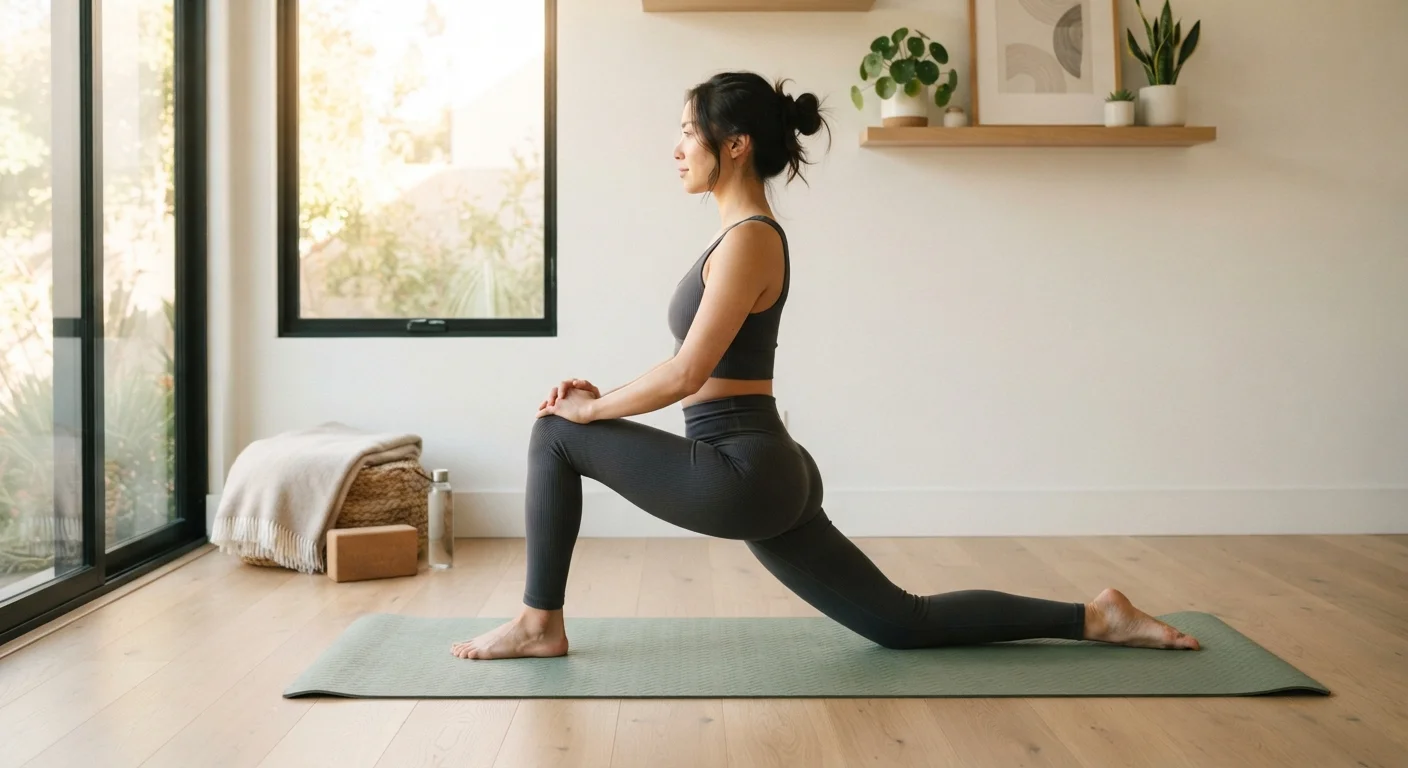
Photo credit: InGlimpse.com | Where Curiosity Finds Answers
In this article
Flexibility and mobility are related but not the same. Understanding the distinction can help you choose the right stretching and movement practices for your needs.
Key Takeaways
- Flexibility describes how far a muscle can stretch passively; mobility describes active, controlled joint movement.
- You can be flexible without being mobile — passive range doesn't guarantee functional movement.
- Mobility training typically combines stretching with strength and motor control work.
- Both qualities decline with age and inactivity but respond well to consistent practice.
- Improving mobility tends to have more direct benefits for everyday movement and injury resilience.
- A well-rounded routine addresses both — not one at the expense of the other.
Two Related Concepts, Two Different Things
The words flexibility and mobility are often used as if they mean the same thing. In fitness classes, on wellness blogs, and even in everyday conversation, they get swapped freely. But they describe genuinely different qualities — and training one without the other can leave real gaps in how your body moves and feels.
Think of it this way: flexibility is a property of muscle tissue, while mobility is a property of the whole movement system. A muscle's ability to lengthen is one ingredient in mobility, but so is joint structure, muscular strength, and the nervous system's ability to coordinate movement. This is why someone might be able to touch their toes when helped into position — but cannot do it under their own power with control.
Flexibility Is One Piece of a Larger Picture
It's common to assume that being naturally flexible — hypermobile, even — means you have great mobility. But hypermobility without muscular control can actually increase injury risk, as joints may move beyond safe ranges without the stability to support them. If you're naturally very flexible, focused strength and stability work may matter more than additional stretching.
Why Mobility Is the More Functional Goal
For most people navigating everyday life — getting off the floor, reaching overhead, stepping out of a car — active, controlled movement matters far more than passive range of motion. Mobility is what allows you to perform those movements safely and efficiently, even when fatigued or off-balance.
Passive flexibility has its place, particularly in activities like dance or gymnastics where extended range is part of the discipline. But for general health, injury resilience, and aging well, mobility tends to be the more practical target. Research in exercise science consistently points to functional movement capacity — how well you can use your range of motion — as a stronger predictor of physical independence over time than raw flexibility measures alone.
~30%
Decline in joint range of motion by age 70
Research in geriatric exercise physiology estimates that adults can lose roughly 20–30% of joint range of motion between early adulthood and their seventies, much of which is attributable to inactivity rather than aging alone.
2–3×/week
Recommended mobility training frequency
Major physical activity guidelines, including those from the American College of Sports Medicine, recommend flexibility and mobility exercises at least two to three days per week for adults.
How to Train Both Effectively
A sustainable routine doesn't force you to choose one over the other. The most effective approach builds them together:
- Dynamic warm-ups (leg swings, hip circles, shoulder rotations) develop mobility by training joints to move actively through range before exercise.
- Static stretching after workouts — when muscles are warm — is the most accessible window for building flexibility.
- Strength training through full range of motion is one of the most underrated mobility tools. A deep squat or full-range hip hinge trains both flexibility and the muscular control needed to use it.
- Yoga or Pilates can complement both goals, especially when combined with resistance work.
Just as the concept of mindfulness versus meditation involves distinct-but-overlapping practices (see our explainer on mindfulness vs. meditation), understanding what you're actually training helps you practice with more intention and better results.
Start With What Feels Stiff
Rather than following a generic routine, notice which movements feel restricted in your daily life — getting up from a chair, reaching overhead, or turning your head while driving. Targeting those specific areas makes your practice immediately relevant and easier to stick with. Even five minutes focused on a problem area beats a longer, unfocused session.
Getting Started Without Overcomplicating It
You don't need a complex program to make meaningful progress. Even 10 minutes of daily movement — a mix of gentle dynamic exercises and held stretches — can improve both flexibility and mobility over weeks of consistent practice. The key is regularity over intensity, especially for beginners.
Pay attention to which joints feel restricted in daily life. Hips, thoracic spine (mid-back), and ankles are common mobility bottlenecks for people who sit for long periods. Starting with those areas often produces the most noticeable functional improvement.
If you have existing joint pain, a recent injury, or a chronic condition, consult a qualified healthcare professional — such as a physical therapist — before beginning a new flexibility or mobility routine. They can identify movement limitations specific to your situation and guide you safely.
This article is for general informational purposes only and is not a substitute for professional medical advice, diagnosis, or treatment. Always consult a qualified healthcare provider before making changes to your exercise routine, particularly if you have existing health conditions or injuries.
Frequently Asked Questions

Author
Health Editorial Team
Health Editorial Team is the collective byline for our editorial team and contributor network. Articles published under this byline or an editorial pen name are researched, written, and reviewed according to our editorial standards for clarity, consistency, and independence before publication.
View all articles →